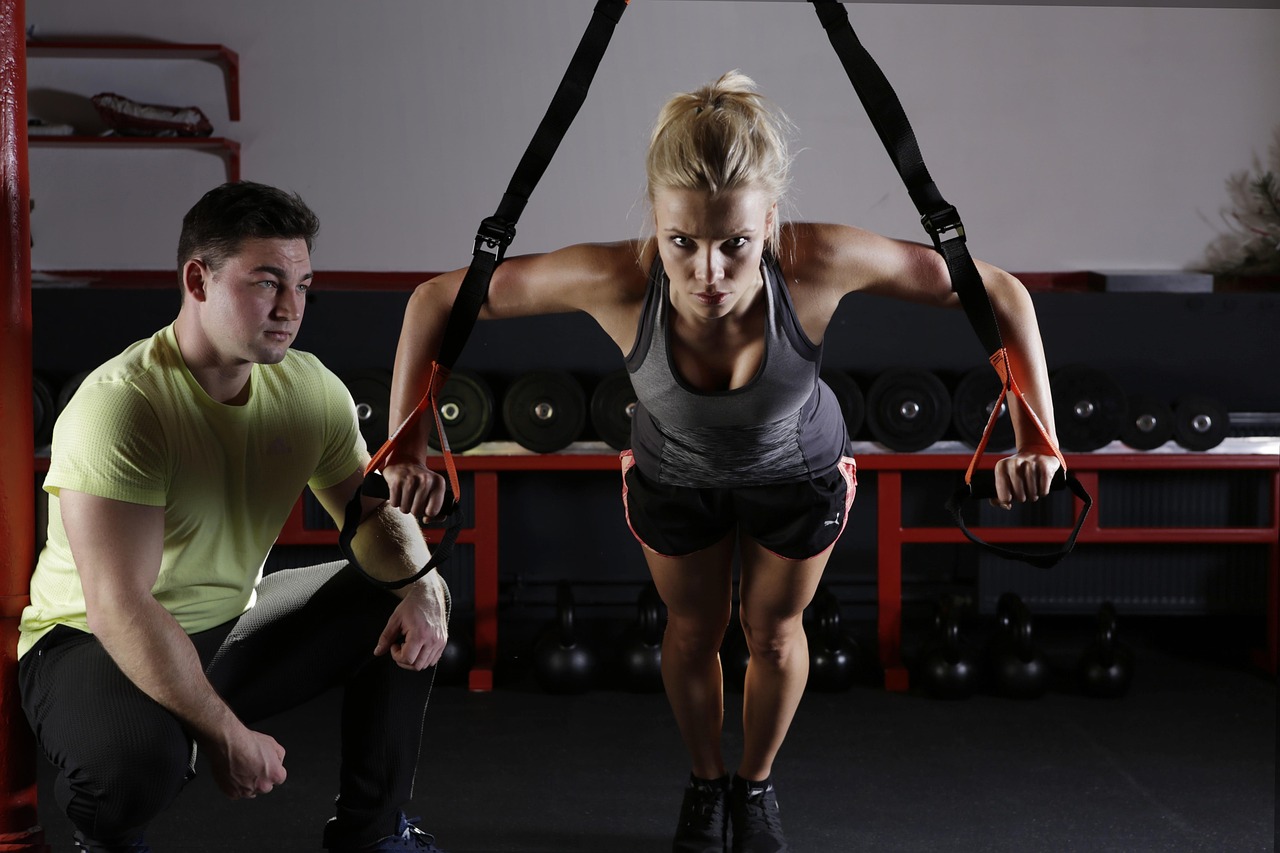

Incorporating Strength Bands and Weights into Aerobics Classes
Aerobics classes are an incredibly popular way to improve cardiovascular health and overall fitness. When introducing strength bands and weights, you can significantly enhance the workout experience and result in improved strength and endurance. This combination allows participants to engage different muscle groups, increasing metabolic rate and caloric burn. For many individuals, the motivation to stick with an exercise program stems from variety and challenges presented during class. Incorporating weights and resistance bands can make classes more enjoyable and engaging. Participants may find themselves pushing harder during workouts, leading to overall body conditioning. Before starting, it’s crucial for instructors to demonstrate proper techniques to ensure safety. Proper form minimizes the risk of injury. Participants should also be informed of the benefits associated with strength training. It’s a fundamental component for everyone, regardless of fitness levels. Educational content helps instill confidence, allowing individuals to maximize their time spent in classes. The synergy that comes from combining aerobics conditioning with strength training is a game changer that can lead to impressive results.
Additionally, strength bands and weights offer versatility in class design, accommodating various fitness levels. Instructors can customize workouts tailored specifically to a participant’s abilities and goals. Those new to strengthening resistance can start with lighter weights or lighter bands while others who are more experienced can push their limits using heavier weights or stronger bands. The use of various equipment empowers participants, helping them realize that everyone progresses at their own pace. A mixture of endurance and strength can improve overall functional fitness. Acting as a complement to aerobic movements, this method helps build muscle stamina while supporting cardiovascular fitness. Furthermore, aids such as resistance bands provide multifaceted opportunities in terms of workout variations. Participants can perform various methods of movement, from squats to shoulder presses. These diverse exercises not only promote muscle engagement but also enhance coordination and balance. Incorporating variety leads to a more dynamic class environment, allowing participants to discover new strengths. With engaged participants comes enhanced motivation, urging individuals to return for further sessions. Mastering new techniques and skills adds excitement to routine workout sessions, encouraging commitment to long-term fitness.
Benefits of Strength Bands
Strength bands are particularly effective in aerobics classes, allowing instructors and participants the opportunity to engage in low-impact strengthening. These bands offer the added benefit of being portable and accessible, making them suitable for a range of fitness environments and abilities. Each band typically comes in different resistance levels, easily adjusted based on a participant’s strength and expertise. Classes utilizing strength bands also encourage functional movement patterns. Exercises mimicking daily life activities help participants achieve enhanced coordination and stability, which translates effectively into everyday tasks. Enhancing core strength becomes easier through band exercises, fostering proper body alignment and improved performance. Furthermore, resistance bands can help maintain or even increase the intensity of modifications during traditional aerobics movements. This preserves challenge while minimizing potential joint stress that heavier weight might induce. When introducing strength bands, instructors can incorporate various exercises which focus on specific muscle groups. This allows clients to learn various effective techniques while still maintaining aerobic activity. Consequently, members will not only participate in energizing cardio sections of class but also become more aware of their own body mechanics, strengthening their exercise knowledge overall.
Weight training within aerobics classes complements resistance bands and promotes multiple benefits alike. Traditional weights, whether dumbbells or kettlebells, introduce an entirely different feel to the workout, fostering an increased sense of engagement. Participants often appreciate these tactile components, which encourage added challenge. This approach effortlessly integrates strength and agility, striving for optimal results. Lifting weights boosts basal metabolic rate, meaning individuals burn calories even when not exercising. This becomes particularly crucial as participants strive for weight loss or management goals. Itemizing lifting movements dictates progressive overload principles, pivotal for muscle development. Instructors can design classes featuring exercises such as lunges, squats, and presses while integrating cardio bursts, stimulating both muscle and aerobic systems simultaneously. Well-structured weight programs can target various muscle groups throughout a single session. Balancing each component ensures an all-encompassing, efficient workout. Innovative group dynamics can be fostered through lifting sessions. Participants often motivate one another in a group setting, resulting in a positive class atmosphere. Adult learners notably respond to social components; thus, this area enhances peer interaction and collaboration. As a result, members experience camaraderie during their fitness journeys.
Class Structure and Routine
To create an effective aerobics class that incorporates strength bands and weights, proper structuring becomes essential. A comprehensive approach balances cardio exercises with strength training, enabling optimal engagement and minimizing fatigue. Each class can be divided into intervals. For instance, alternating between high-energy aerobics followed by a series of 5-10 minute strength segments keeps momentum. Participants may appreciate short bursts of cardio to elevate their heart rates, followed by focused training that enhances muscle engagement. Instructors can adhere to the concept of thirty seconds of intense aerobics followed by thirty seconds of strength training. This window allows participants to experience high heart rates while focusing attentive effort on weights. Keeping a fun environment can lead to improved adherence from learners. Music can complement transitions, creating rhythm and promoting enjoyment while lifting. Moreover, instructional cueing during transitions aids clientele in maintaining form during strength segments while minimizing distractions. This focus yields effective results, ensuring every individual’s goals will be targeted adequately. Proper monitoring of participants’ abilities is a smart practice, allowing adjustments readily to enhance safety and suitability. Continuous feedback drives improvement for both participants and instructors alike.
Moreover, promoting participant engagement during classes remains crucial for retention and satisfaction. Class instructors should establish a welcoming environment where members feel comfortable asking questions. An approachable demeanor encourages interaction, facilitating discussions regarding fitness goals and concerns. Connecting with participants fosters a positive experience, enhancing motivation leading to consistent attendance. Instructors can introduce personal anecdotes or success stories which can uplift individuals pursuing fitness objectives. By sharing relatable experiences, participants are inspired to see progress as attainable. Consideration for fitness levels and previous experiences should guide class format decisions. Tailoring segments according to overall group dynamics can create a harmonious experience. Addressing modifications simultaneously provides students with a sense of personal accomplishment. Several members in group fitness settings may have varying challenges, and recognizing options builds unity; participants support one another while striving toward common goals. Having someone nearby to showcase form and technique assists in learning and provides valuable peer-to-peer coaching. Fostering team spirit can enable individuals to develop friendships during classes too. Prioritizing inclusivity engages larger audiences who recognize diverse workout objectives are welcomed and accommodated within the aerobics community.
Conclusion and Long-term Benefits
Incorporating strength bands and weights within aerobics classes significantly enhances participants’ fitness levels, combining cardiovascular endurance and muscular strength. Such classes promote varied workout routines, ensuring each session remains dynamic and enjoyable. Motivated individuals often witness positive results, contributing to a sustaining fitness journey. Ultimately, this blend equips students with functional strength, allowing daily activities to become easier and more manageable. The physical advantages observed impact mental health as well; boosted confidence in one’s capabilities leads to greater overall well-being. Furthermore, social connections within fitness communities foster accountability and motivation, promoting long-lasting participation rates. Over time, as individuals observe their progress and development, they become more inclined to pursue longer-term fitness commitments. This consistent practice supports weight management while providing necessary strategies for incorporating activities into everyday schedules. By engaging with strength bands and weights, clients not only become adept in their techniques but instill confidence to try exercises independently as well. As instructors continue to guide and inspire participants, they foster deeper connections, generating an atmosphere of encouragement and empowerment. Classes incorporating strength techniques remain an exemplary pathway for individuals eager to transform their fitness lives.