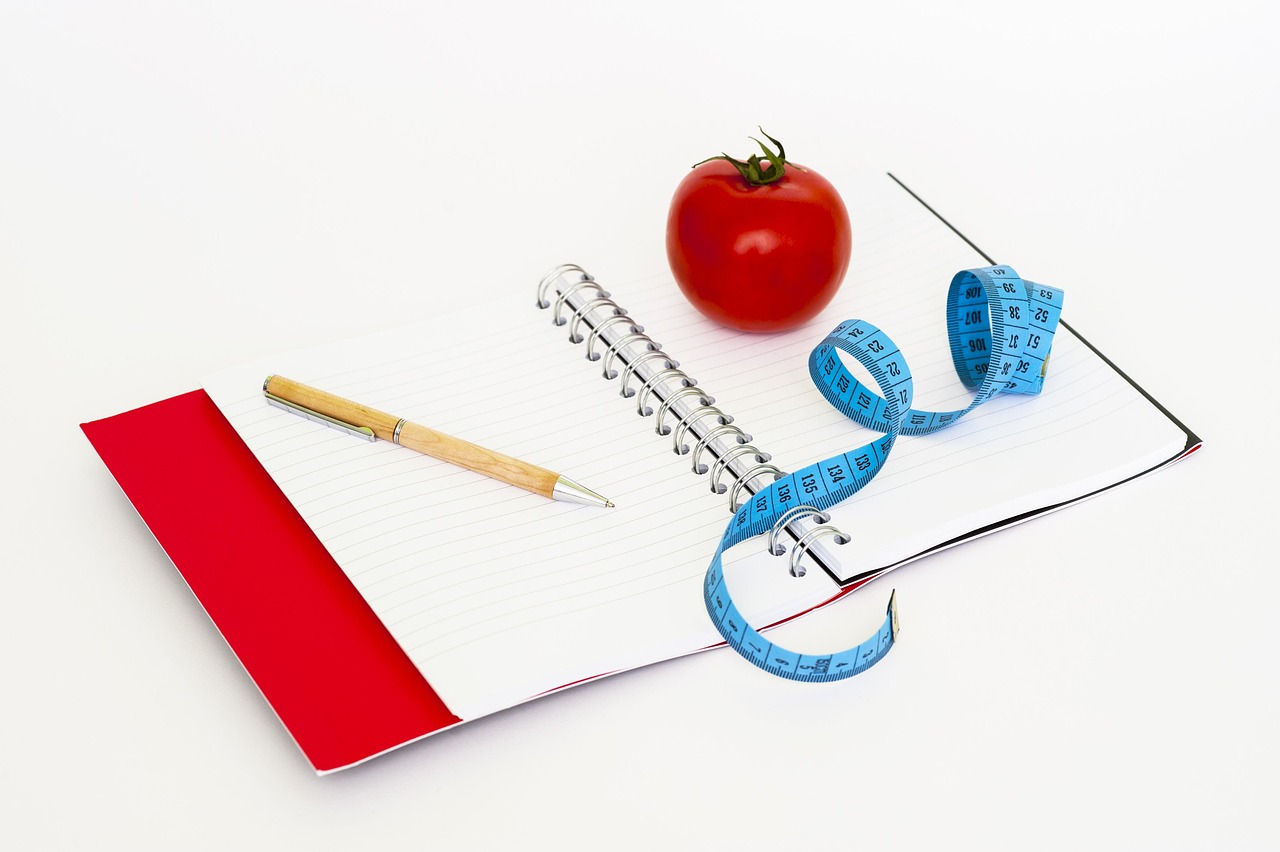

How to Track Your Portions Without Obsessing Over Numbers
Portion control is essential for anyone looking to lose weight effectively. It helps you to manage your caloric intake without constantly counting calories. One effective strategy is to use smaller plates and bowls, which can create an illusion of a fuller plate. When your food looks abundant, you are more likely to feel satisfied, even with less. Additionally, consider pre-portioning snacks into small bags rather than eating directly from larger packages. This method also aids in mindfulness, allowing you to become more aware of how much you consume. Track your portions in intuitive ways rather than obsessing over precise numbers. For example, using your hand as a reference can be incredibly helpful. Typically, a serving of protein can be compared to the size of your palm, while carbohydrates can be the size of your fist. By employing these simple tricks, you avoid getting overwhelmed with calculations. Moreover, moving towards a mindful approach not only supports weight loss but also encourages a healthier relationship with food. Remember, it’s about balance and enjoying your meals, not perfection. Embrace the journey.
Another effective technique for managing portions involves the use of measuring tools and visual aids. Investing in measuring cups, spoons, or a scale can be a game-changer in your weight loss journey. By familiarizing yourself with what actual serving sizes look like, you can train your eyes to recognize appropriate portions. However, measurement should be casual, not obsessive. Aim to learn portion sizes through practice so you can eventually gauge them without tools. It’s crucial to listen to your body’s hunger cues rather than relying solely on rigid measurements. Incorporating more vegetables into meals is another proven strategy. They not only add volume and nutrients to your plate but also help you feel full for longer. Fill half your plate with vegetables to ensure you’re not only eating less of higher-calorie foods but also consuming beneficial nutrients. Another method is to slow down while eating. Taking time to chew and savor each bite allows your brain to recognize fullness signals, which can help you reduce portion sizes effectively. Eating slowly can transform your dining experience.
As you explore portion control techniques, it’s essential to personalize your approach. Everyone’s body is different, and what works for one person may not work for another. Start by identifying what helps you stay aware of your eating habits and adjust accordingly. Creating a meal plan can also play an essential role in portion management. A structured plan will help you decide what foods to buy and how to prepare them, leading you to avoid impulsive eating. Additionally, keeping a food journal can help track not only what you eat but also your hunger levels. Reflecting on your eating habits can help you locate patterns or triggers that lead to overeating. This practice encourages accountability and self-awareness without fixation on numbers. Join support groups or communities that focus on weight loss and share portion control tips and experiences. Learning from others can provide motivational insights and strategies. Remember, it’s about progress, not perfection. Celebrate milestones, no matter how small, as they contribute significantly to your overall goal. Each step you take matters.
Building Mindful Eating Habits
Mindful eating is an integral part of controlling portions effectively. It involves focusing on the eating experience, understanding your hunger signals, and recognizing when you’re genuinely full. Use non-distracted eating practices, like dining without electronic devices or multitasking. By concentrating solely on your meal, you allow yourself to enjoy every bite fully, enhancing satisfaction. Creating a peaceful dining environment with appropriate lighting and calm music can enrich the experience. It promotes relaxation and encourages more mindful interactions with your food. Additionally, practicing gratitude for your meal can foster a more positive relationship with food. Acknowledge the effort that goes into preparing your meals and truly appreciate each flavor and texture. It shifts the focus away from strict dieting to a more holistic approach. Be aware of emotional eating triggers, as they can derail portion control. Recognizing your emotional states, link them to specific eating patterns, and find alternative coping mechanisms like staying active or practicing meditation. Engage in activities that align with your emotional wellbeing while minimizing medicating through food.
Experimenting with new food combinations can also help keep meals interesting while maintaining portion sizes. Trying different cuisines might encourage you to enjoy more vegetables, grains, and lean proteins without feeling deprived. Sign up for a cooking class to learn healthy dishes that appeal to your palate. When you discover a new favorite dish, it makes it easier to remain committed to portion control. Preparation techniques also play a crucial role; roasting or grilling typically uses less oil compared to frying and can enhance the flavor of ingredients. By thinking about how food is cooked, you can maintain flavor while practicing portion management. Another consideration is meal timing; try to eat at regular intervals throughout the day. Having well-timed meals can stabilize metabolism, prevent extreme hunger, and help you make better food choices, contributing to effective portion control. Regularity fosters a sense of routine and helps in better portions. Pay attention to how your body reacts to different eating schedules and adjust accordingly to find what suits you. Balance is key!
Engaging in physical activities can complement your weight loss journey successfully while also enhancing your awareness of portion control. Exercise helps refine how you view food; you may become more informed about your body’s fuel needs. Incorporate a variety of workout sessions into your schedule that you genuinely enjoy. Exercise doesn’t solely mean going to the gym; enjoy hiking, dancing, or even yoga. These activities promote overall wellbeing and encourage healthier food decisions. When you have an active lifestyle, you’re more likely to take pride in your choices, including portion sizes. Additionally, consider having a buddy system to help with accountability. Sharing your goals with friends or family can provide crucial support needed throughout the process. They can encourage you to stick with your portion control efforts and celebrate your achievements together. Tracking your physical progress can be just as important as monitoring food intake. Instead of focusing on mere scale numbers, track how you feel and your stamina levels. Commit yourself to lifestyle changes that foster both physical and mental health.
Conclusion and Takeaways
In conclusion, managing portion sizes doesn’t have to be daunting or overly complicated. Adopting mindful eating habits, understanding health cues, and practicing awareness in your food journey bring sustainable results. Utilize techniques like visual aids, smaller dinnerware, and keeping a journal to monitor changes without rigid structures. Address emotional eating and build a healthy relationship with your meals by focusing on creating enjoyable food experiences. By fostering a positive environment, experimenting with new foods, and engaging in physical activities, the task of portion control becomes less of a chore and more enriching. Embrace gradual changes, and celebrate your progress as you move towards your goals. Remember, it’s not about perfection; it’s about a sustainable lifestyle that makes you feel good physically and emotionally. Every small step you take toward mindful eating will pay off in the long run. Stay informed, explore new approaches, and remain committed to your journey. With the right mindset and techniques, portion control can contribute significantly to achieving your weight loss objectives.
Overall, weight loss through portion control is about understanding your own body and limits. As you incorporate these strategies into your daily life, focus on balance and moderation, not restriction. It transforms your approach to food from one of anxiety to a more freeing experience. With time and practice, tracking your portions can enhance your relationship with food, allowing you to nourish yourself without overwhelming preoccupation. It’s all about making healthy choices that suit your lifestyle, leading to lasting results that make you feel fulfilled. A positive mindset, patience, and creativity will accompany you on this journey as you strive for a healthier self.