
How Nutrition Supports Balance and Coordination in the Elderly
Nutrition plays a vital role in maintaining balance and coordination, especially for the elderly. With age, our bodies experience changes that can affect our physical capabilities, particularly balance. Adequate nutrition can improve muscle strength and enhance the body’s ability to prevent falls. Consuming a balanced diet rich in essential vitamins and minerals is crucial for seniors. Foods high in calcium, such as dairy or leafy greens, help maintain bone density, which is vital for physical stability. Additionally, incorporating vitamin D into the diet can significantly improve muscle function and coordination. Proper hydration is also necessary because dehydration can lead to dizziness. Including protein-rich foods helps in the repair and maintenance of muscles, ensuring that seniors can engage in balance-enhancing exercises. Foods like fish, meat, and legumes are excellent sources. Furthermore, healthy fats found in nuts and olive oil significantly support brain health. The impact of nutrition on overall health cannot be overstated. To effectively improve balance and coordination, adopting a well-rounded dietary approach is necessary for the elderly to enjoy a more active and fulfilling life.
Essential Nutrients for Balance
The role of essential nutrients in promoting balance and coordination cannot be overlooked. Key nutrients such as omega-3 fatty acids have been shown to support cognitive functions and the overall well-being of seniors. These essential fats help reduce inflammation and improve brain communication, which is crucial for maintaining balance. Similarly, vitamins B and E are imperative because they support nerve health and enhance muscle functionality. Foods like avocados, leafy greens, and whole grains are excellent sources of these vitamins. Antioxidants, found in fruits like berries, combat oxidative stress, which can negatively impact motor function. Moreover, maintaining blood sugar levels through nutrition is essential for coordination. Complex carbohydrates present in whole-grain foods provide a steady energy source. Regular meals that balance protein, fats, and carbohydrates help sustain functional activity levels. It’s essential to emphasize the variety in the diet to capitalize on different nutrients. Emphasizing colorful vegetables and fruits not only improves food enjoyment but also ensures a diverse intake. Thus, understanding nutrient roles can empower seniors to make better food choices that enhance their physical capabilities.
Hydration and Its Importance
Hydration significantly influences our ability to maintain balance and coordination, especially among seniors. As people age, their sense of thirst may diminish, leading to unintentional dehydration. Dehydration can cause dizziness, confusion, and impaired coordination, making falls more likely. Therefore, ensuring adequate fluid intake becomes crucial for those in their golden years. Specific recommendations suggest that seniors should aim for eight to ten cups of water each day, or more based on activity levels and climate. Including hydrating foods such as cucumbers, watermelon, and soups can aid in meeting hydration needs. Moreover, avoiding excessive caffeine and alcohol is essential as they can lead to increased dehydration. Supplementing water intake with electrolyte-rich beverages can help during physical activities or on hot days. Encouraging seniors to carry water and to track their intake can foster better hydration habits. Proper hydration supports cognitive function and overall physical ability, boosting confidence in movement. Simple reminders and integration of hydration into daily routines can significantly make a difference. By prioritizing hydration, seniors can enhance their quality of life and reduce the risk of falls and injuries.
Impact of a Balanced Diet
A balanced diet encompassing all food groups contributes significantly to enhanced balance and coordination in seniors. Having a proper nutritional foundation supports muscle development, weight management, and joint health crucial for mobility. Whole grains, fruits, vegetables, lean proteins, and healthy fats should all be part of a diet to achieve optimal health. Such nutritional diversity supplies various vitamins, minerals, antioxidants, and fibers that are essential for sustaining energy levels. Importantly, omega-3 fatty acids support joint health, which is vital for stability. Regular inclusion of these healthy fats in meals, such as fish, nuts, and seeds, can promote flexibility. Furthermore, maintaining muscle mass is essential for balance. Engaging in lightweight training along with balanced nutrition enhances muscle strength and coordination. Seniors should focus not just on reducing calories but ensuring quality food choices that provide nutrients without excess sugars or processed ingredients. Consulting a nutritionist can help in designing individual meal plans suitable for specific health conditions. A balanced diet fosters both physical and mental well-being, equipping seniors to enjoy their day-to-day activities and maintain their independence.
Exercises Combined with Nutrition
Engaging in balance and coordination exercises combined with proper nutrition optimizes results significantly. Physical activity promotes muscle strength, enhances flexibility, and improves overall body awareness, supporting better balance. Nutrition complements these exercises by providing the necessary energy and nutrients required for recovery and performance. Seniors should engage in various activities such as tai chi, yoga, or simple balance exercises, and pairing these with a nutrient-rich diet amplifies benefits. Ideally, conducting these exercises several times a week will solidify their impact on stability. Foods rich in protein support muscle recovery post-workout while carbohydrates replenish energy stores consumed during exercise. Additionally, having pre- and post-exercise snacks, such as yogurt or a banana, ensures adequate fuel for performance. Consistency in integrating exercise and nutrition is vital for seniors; it encourages a healthier lifestyle. Creating a routine can help achieve exercise goals, while regular assessments can determine progress over time. This approach will develop not only physical capabilities but also improve overall mental health. Adequate nutrition and physical activity work hand-in-hand to empower seniors, allowing them to enjoy greater mobility and independence.
Community and Social Aspects
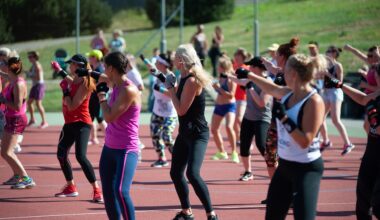
In addition to physical benefits, community and social engagement surrounding nutrition and exercise can enhance balance and coordination among seniors. Participating in group exercises or cooking classes provides a supportive environment to foster fitness while encouraging healthy eating habits. This social aspect can serve as motivation for maintaining active lifestyles. Engaging with peers offers accountability, making nutrition choices more enjoyable and socialized. Local senior centers, gyms, or community programs often provide tailored classes focusing on balance that may incorporate nutritional education. These communal settings boost morale and promote feelings of belonging, which is remarkably beneficial for mental health. Cultivating relationships within the community during these activities also improves emotional well-being, reducing feelings of isolation. Group discussions about nutrition and sharing recipes can further enhance participants’ understanding of healthy eating. Furthermore, collaborative cooking can lead to improved dietary habits, as individuals learn from one another. Hence, integrating community engagement with physical activities and nutrition education offers multifaceted benefits, strengthening not only physical abilities but also emotional and social connections among seniors.
Ultimately, combining good nutrition, hydration, and exercise forms a foundation for improved balance and coordination in the elderly. Nutrition goes hand-in-hand with physical activity, creating a comprehensive approach to seniors’ fitness. Bones, muscles, and overall physical health flourish with a balanced diet. Proper nutrient intake supports the body’s needs and prepares seniors to partake actively in life. Exercises tailored to balance could lead to more significant milestones when supported by nutrition. This holistic strategy avoids falls, promotes mobility, and fosters independence, enhancing life quality for seniors. Also, making informed choices regarding health enhances enjoyment and satisfaction in their daily lives. Engaging with professionals like nutritionists or fitness experts can elevate outcomes and ensure proper exercise and diet synergize optimally. Thus, families and caregivers should encourage older adults to take control of their health through nutrition and activity. Recognizing the importance of nutrition in enhancing balance ensures older adults remain healthy and active as long as possible. In conclusion, promoting a lifestyle integrating all these elements will pave the way for healthier aging and increased resilience over time.
In conclusion, prioritizing balance and coordination is essential for the well-being of the elderly, and nutrition plays a critical role in supporting these aspects. Thus, by making appropriate nutritional choices, seniors can support their physical capacities, improve their quality of life, and enjoy increased safety and mobility within their communities. Together, nutrition and tailored exercise programs present a promising strategy to address the challenges associated with aging. Thanks to invigorating resources available and community support, seniors can maintain their balance and coordination effectively, fostering a healthier and more fulfilling lifestyle.