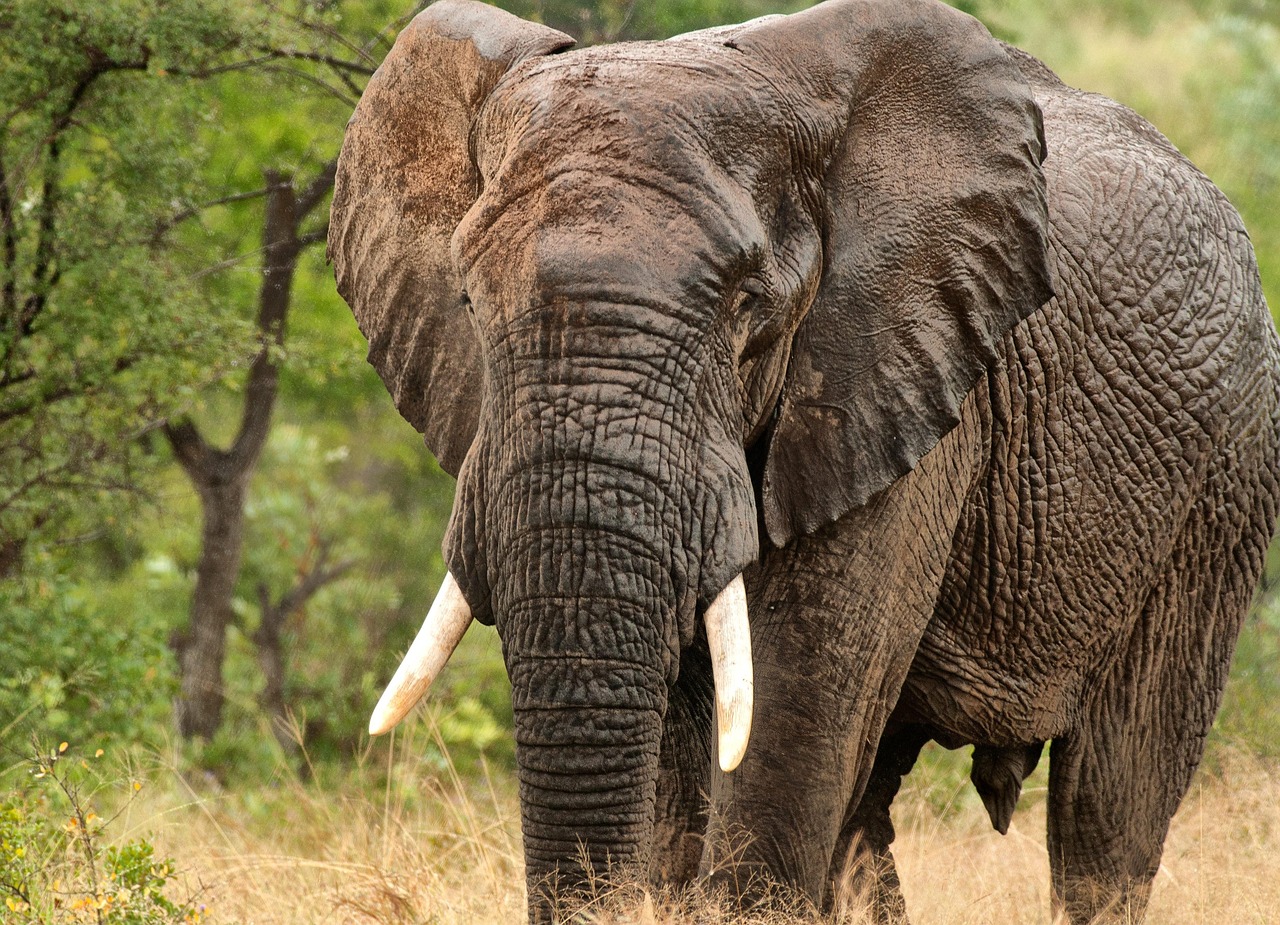

How Fitness Tourism Can Support Wildlife Conservation Initiatives
Fitness tourism presents an innovative approach to engage travelers while promoting essential wildlife conservation initiatives effectively. This niche attracts individuals who value not only physical fitness but also the natural environment. By combining outdoor activities with awareness of ecological sustainability, fitness tourism encourages travelers to adopt practices that foster conservation efforts. With stunning landscapes as the backdrop for various activities such as hiking, cycling, or kayaking, participants experience the allure of pristine nature firsthand. Moreover, fitness tourism provides a valuable economic opportunity for local communities engaged in conservation work. This economic boost underscores the significance of protecting natural habitats, allowing communities to thrive and prioritizing conservation projects. Implementing educational programs for fitness tourists ensures that participants understand local wildlife preservation issues and the importance of their actions. As tourists sweat it out in awe-inspiring surroundings, they become ambassadors for conservation. Leveraging technology such as apps and social media further diversifies outreach efforts. Integrating eco-friendly practices into fitness events creates a sustainable model for tourism that supports wildlife through profits generated. Ultimately, fitness tourism will become a global movement that actively advocates for protecting and preserving wildlife while promoting health and wellness.
One of the most compelling aspects of fitness tourism is its capacity to create a deep emotional connection between participants and the natural world. As tourists traverse forests, mountains, or coastal areas during fitness activities, they often witness the beauty and fragility of ecosystems firsthand. This exposure fosters a profound appreciation for wildlife and encourages participants to contribute positively to conservation efforts. Organizations partnering with fitness tourism can integrate projects aimed at habitat restoration or wildlife protection. Tourists may engage in activities such as tree planting, invasive species removal, or wildlife monitoring, directly benefiting local environments. Additionally, many fitness tourism initiatives align with conservation programs that establish protected areas while enhancing ecotourism opportunities. This collaboration results in sustainable tourism that supports the well-being of both tourists and wildlife. Fitness events often highlight the significance of conservation messages through inspiring stories of success and struggle in wildlife preservation. Educational materials can further engage participants, fostering a sense of responsibility and action. Strengthening these connections between fitness and conservation creates advocates for wildlife who help spread awareness within their communities and social circles. This leads to a ripple effect of increased support for conservation initiatives and sustainable practices in tourism.
Collaborations Between Fitness Tourism and Conservation Projects
Collaborative partnerships between fitness tourism organizations and wildlife conservation projects amplify the positive impacts on local ecosystems and wildlife preservation. By joining forces, these entities can develop targeted initiatives that allow fitness enthusiasts to contribute meaningfully to conservation efforts. Examples of such partnerships could include clean-up days at national parks, charity runs where proceeds fund conservation programs, or guided fitness retreats focused on environmental education. Many fitness tourism companies can actively support local wildlife conservation groups through financial contributions or volunteer hours. These actions build essential funding for conservation projects and create lasting relationships within the community. Participants regularly witness firsthand the tangible effects of their contributions. Moreover, fitness tourism fosters positive interactions and builds rapport among diverse stakeholders. This collaboration ensures that protective measures for wildlife habitats are continually enforced. Social media campaigns often highlight success stories from these partnerships, increasing visibility and encouraging others to engage in wildlife conservation activities. Utilizing influencers, fitness enthusiasts, and local wildlife experts to spread the word about conservation initiatives can significantly enhance communication practices. Each collaborative effort showcases empowerment and commitment to environmental sustainability, directly linking vibrant experiences in nature with vital conservation outcomes.
As more individuals become conscious of their effects on the environment, fitness tourism can serve as a powerful vehicle to promote sustainability. Participants are often eager to learn how to minimize their footprints while engaging in their favorite activities. This dedication presents a unique opportunity for tourism companies to educate clients on practices such as ‘Leave No Trace’ principles and responsible wildlife viewing. By encouraging environmentally friendly behaviors, fitness tourism allows travelers to make lasting, positive changes to their habits. Furthermore, sharing knowledge reinforces the importance of protecting endangered species and conserving natural habitats. Companies can develop training courses or workshops focused on sustainable practices and wildlife conservation. Event organizers can further ensure that fitness tourism experiences respect the environment by adhering to regulations and guidelines established by local conservation authorities. By prioritizing the preservation of natural landscapes, fitness tourism promotes the idea that active lifestyles and wildlife conservation are not only compatible but mutually beneficial. Greater awareness leads to increased advocacy for policies that protect wildlife and conserve biodiversity. Overall, fitness tourism’s commitment to sustainability will shape the industry’s future while enhancing conservation awareness and improving the world’s ecological health.
The Role of Technology in Promoting Fitness Tourism and Conservation
Technological advancements are revolutionizing both fitness tourism and wildlife conservation, creating exciting opportunities to promote sustainability and engage participants. Apps that facilitate booking, tracking activities, and sharing experiences play a significant role in this evolution. Users can join fitness tourism experiences while simultaneously learning about local conservation projects through informative content and appealing visuals. Such effortless integration of educational materials results in more informed and conscious travelers. Online platforms can also facilitate donations or fundraising initiatives tied to fitness events, directly channeling proceeds toward wildlife conservation. Additionally, virtual events enable fitness tourism to reach a global audience. Participants can engage in exercises while virtually exploring various environments and learning about their ecosystems. This expands access and generates interest among a diverse demographic. Drones and remote sensing technology provide crucial data for wildlife monitoring and habitat assessment, further enriching the relationship between fitness tourism and conservation efforts. These innovative approaches create meaningful connections among participants, nature, and the concepts of sustainability. As technology continues to develop, it will undoubtedly strengthen the bonds between fitness tourism, environmental consciousness, and wildlife preservation, resulting in lasting impacts.
Marketing strategies aimed at encouraging responsible and sustainable fitness tourism can greatly impact wildlife conservation efforts. By emphasizing a shared commitment to protecting nature, companies can attract like-minded travelers who prioritize environmental integrity. Campaigns that utilize powerful visuals and stories about conservation successes can evoke strong emotional responses, increasing the likelihood of participation. Tourists are often motivated by the promise of unique experiences combined with purpose, leading them to seek out trips that contribute to wildlife conservation initiatives. Collaborations with wildlife photographers or conservationists can enrich marketing messages and further attract potential guests. Highlighting initiatives where tourists’ active participation leads to real positive change will resonate with consumers looking for both adventure and social responsibility. Additionally, involving local communities in promotional materials emphasizes the cultural significance of conservation efforts, building trust among potential travelers. Offering incentives such as discounts or exclusive experiences can further encourage engagement. Fitness tourism businesses are responsible for contributing to environmental stewardship through transparent communication and accountability in their operations. Research demonstrates that sustainable practices attract more discerning travelers seeking authentic experiences while positively impacting conservation efforts. Sustainable marketing holds the potential to elevate wildlife protection initiatives while satisfying tourists’ desires for meaningful experiences.
Conclusion and the Future of Fitness Tourism
The future of fitness tourism holds immense potential for supporting wildlife conservation initiatives through increased awareness, emotional connections, and collaborative efforts. As the demand for eco-conscious travel experiences grows, fitness tourism can serve as a catalyst for positive change in how individuals engage with nature. Empowering travelers to contribute to conservation efforts transforms fitness activities into meaningful experiences that leave a lasting impact on both guests and local ecosystems. By working closely with conservation groups, fitness tourism can create targeted initiatives that resonate with participants, merging adventure, fitness, and ecological responsibility. Investing in sustainable practices and promoting technological solutions will further enhance the connection between fitness and conservation. Marketing strategies focused on the importance of wildlife preservation will continue to play a crucial role in attracting responsible travelers. The shift towards fitness tourism offers invaluable opportunities for individuals and communities to come together for a greater cause. As people recognize the synergies between wellness and wildlife conservation, the future can be bright. The evolving landscape of fitness tourism will create positive environmental impacts while nurturing a global movement of conservation advocates committed to protecting our planet’s wildlife.
Additional considerations surrounding fitness tourism indicate the necessity for robust policies that support wildlife conservation. Policymakers and fitness tourism operators must collaborate to ensure that sustainable tourism practices are implemented effectively. This partnership can facilitate workshops and training for professionals, maintaining awareness of current conservation strategies and wildlife protection laws. Strengthening relationships with local communities, wildlife organizations, and government entities can foster commitment to preserving the environment and ensuring economic sustainability. Establishing a framework for responsible tourism practices relevant to fitness tourism events sets the stage for an industry standard that prioritizes wildlife conservation. Significant strides in addressing key conservation challenges demand a unified approach among stakeholders, creating a success story for environmental fitness concerns. By navigating the complexities of balancing economic interests and ecological needs, fitness tourism can emerge as a model for sustainability. As the industry grows, those involved must stay attuned to evolving best practices, ensuring impact metrics align with both fitness trends and conservation goals. Through shared responsibility and insights derived from experience, the fitness tourism sector will continue to enhance its role in wildlife conservation. Addressing challenges ensures that future generations can enjoy thriving ecosystems and vibrant wildlife.