
Healthy Fats and Their Place in Post-Workout Nutrition for Young Athletes
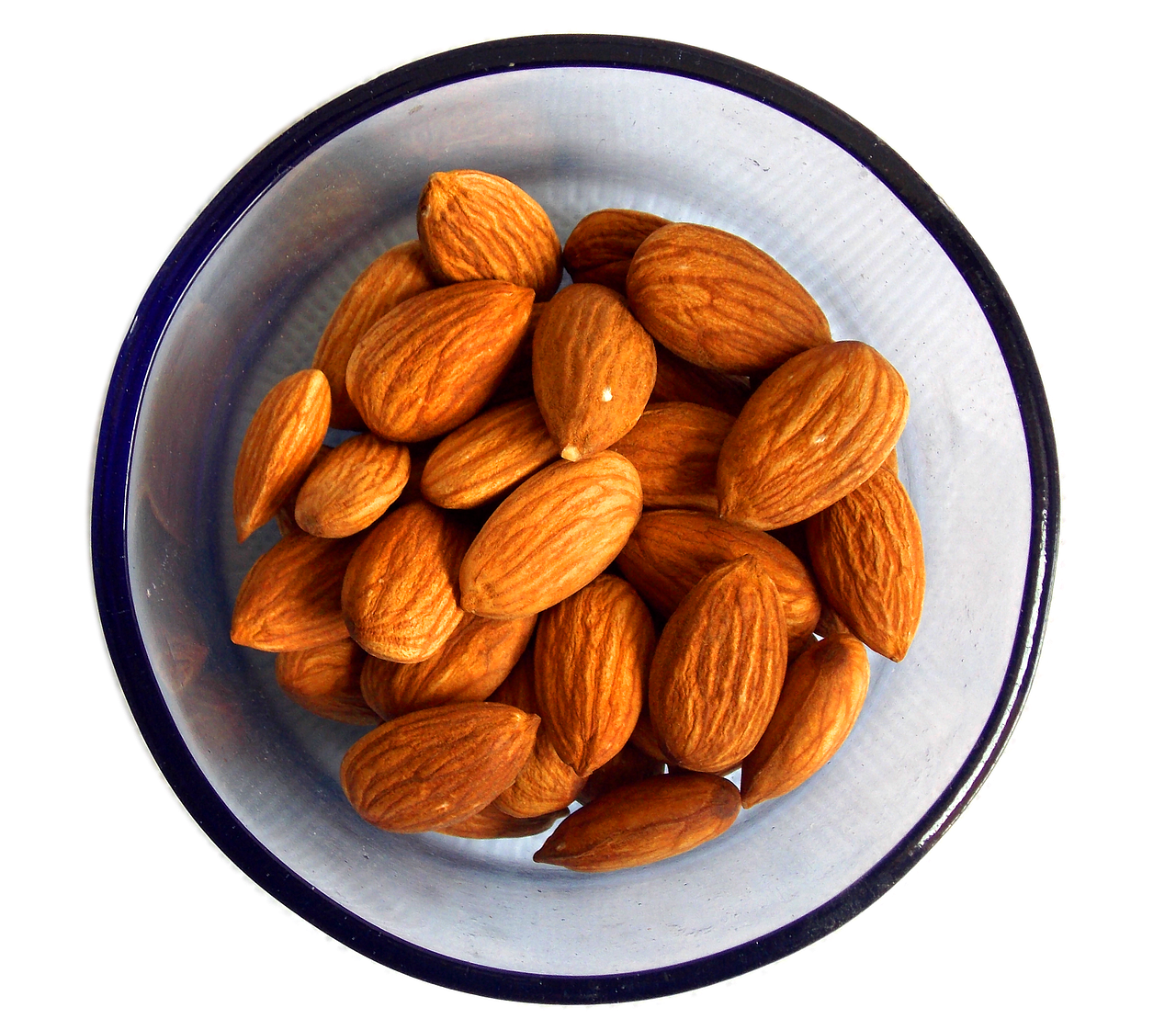
When it comes to post-workout nutrition for kids and teens, understanding the role of healthy fats is crucial. Young athletes need a balanced recovery diet that not only replenishes energy but also supports growth and development. Healthy fats serve several essential functions within this context. They can help in repairing muscle tissue and providing essential fatty acids like omega-3 which are vital for brain health. Furthermore, incorporating good fats into a post-workout meal can enhance nutrient absorption, making it easier for young athletes to meet their nutritional needs. Examples of healthy fats include avocados, nuts, seeds, and olive oil. Integration of these foods in meals can help young athletes tremendously. Moreover, healthy fats can provide a steady source of energy which is necessary for long-term physical activity. The combination of carbohydrates with these healthy fats can lead to improved glycogen storage as well. Hence, parents and guardians should focus on creating meals that include these healthy fats, thereby reinforcing the importance of balanced nutrition. Teaching kids about nutritious choices early on sets a foundation for lifelong healthy eating habits that support athletic performance.
Not only do healthy fats provide energy, but they also play a pivotal role in hormone regulation. For young athletes, hormonal balance is crucial, especially during periods of growth and development. Healthy fats are particularly important for the production of hormones such as testosterone and estrogen, which can help improve performance and recovery. For instance, including foods rich in omega-3 fatty acids can support the body’s ability to fight inflammation and reduce recovery time after exercise. Various sources of these healthy fats include fish like salmon, nuts such as walnuts, and flaxseeds. Such nutrient-dense foods can significantly benefit young athletes and should be incorporated into their post-workout meals. In addition, these fats can enhance joint health, which is vital in preventing injuries, especially among active teens. Furthermore, a diet rich in healthy fats can improve overall cardiovascular health, enabling better performance during physical activities. The key is moderation and ensuring that the total caloric intake supports their active lifestyle. Parents and coaches should provide guidance on how to include these fats in meals effectively, while also emphasizing a balanced approach to nutrition for optimal athletic performance.
The timing of post-workout nutrition is just as important as the type of food consumed. After intense physical activity, young athletes’ bodies are primed for nutrient uptake, especially within the first 30 minutes post-exercise. This is often referred to as the anabolic window, a period during which the body can prioritize recovery and muscle synthesis. Hence, it is beneficial to include healthy fats, alongside carbohydrates and protein, during this recovery phase. Combining healthy fats such as nut butter with a source of carbohydrates like whole-grain bread can provide immediate energy recovery. Additionally, it supports muscle repair in conjunction with protein sources, which can be lean meats or plant-based proteins. Precise planning around timing and the food combinations can maximize recovery benefits for young athletes. Including these food items in easy, portable snacks can aid adherence to the post-workout nutrition routine. Simple options like protein smoothies with avocado or yogurt topped with nuts can be delicious and nutritious. Such mindful eating practices encourage young athletes to view nutrition as a critical component of their training regimen and overall athletic success.
Post-Workout Meal Ideas
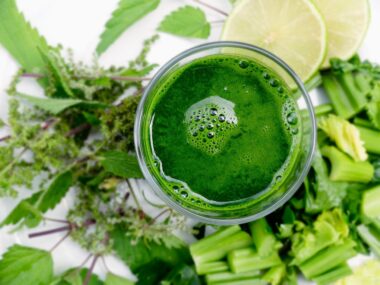
To effectively integrate healthy fats into a post-workout nutrition plan for young athletes, meal ideas can be immensely helpful. Here are some nutritious options that can be easily prepared at home. Consider making a smoothie with spinach, banana, avocado, and protein powder. This combination not only provides healthy fats but also delivers carbohydrates and protein for recovery. Another idea is to prepare a whole-grain wrap filled with turkey, hummus, and avocado, ensuring both taste and nutrition are satisfied. One can also opt for a bowl of oatmeal, mixed with almond butter and topped with seeds, which is an excellent source of sustained energy. Each of these meals can provide the necessary nutrients young athletes need after rigorous physical activity. It’s essential to consider kids’ preferences when planning these meals, allowing them to enjoy eating healthfully while meeting their nutritional needs. Furthermore, making the meals visually appealing can encourage kids to eat healthier options. Engaging young athletes in meal preparation can also foster an understanding of nutrition, contributing positively to their overall dietary habits and performance.
Incorporating healthy fats into the diet of young athletes also comes with certain considerations. Parents should be mindful of the quality of fats consumed. Not all fats are created equal, and it is essential to distinguish between healthy and unhealthy fats. Trans fats and excessive saturated fats can impair health and performance, while unsaturated fats provide numerous health benefits. Young athletes should particularly focus on monounsaturated and polyunsaturated fats, which can be found in olive oil, avocados, and fatty fish. Moreover, education is key; teaching kids about reading food labels can help them make informed decisions when selecting food products. Cooking at home allows for more control over the ingredients used and promotes the inclusion of healthy fats in meals. Additionally, involving kids in meal planning can increase their interest in nutritious eating. It is equally important to discuss moderation, as consuming too many fats, even healthy options, can lead to unintended weight gain. Balancing the intake of healthy fats with other nutrients can create a comprehensive dietary approach that supports young athletes in their training and everyday lives.
Ultimately, the discussion surrounding healthy fats and their role in post-workout nutrition for kids and teens underscores the need for a balanced approach. Emphasizing whole foods that are naturally rich in nutrients ensures that young athletes receive the necessary vitamins and minerals to support their growth. Teaching kids about food choices helps lay the groundwork for healthier lifestyles as they transition into adulthood. Encouraging young athletes to experiment with various sources of healthy fats, combined with a wide range of fruits, vegetables, and whole grains, creates a well-rounded diet. Parents and coaches can model these behaviors, promoting a culture of health within communities. Moreover, consistent education on the significance of nutrition in sports allows young athletes to better appreciate the value of what they consume. It encourages them to take ownership of their health and athletic growth. With an increase in awareness, young athletes can make smarter choices that enhance their performance and boost their self-esteem. Ultimately, a well-balanced post-workout meal plan can lead to improved athletic performance and long-lasting healthy habits that flourish throughout life.
Conclusion
In conclusion, healthy fats are an important aspect of post-workout nutrition for young athletes. By understanding their benefits and incorporating them thoughtfully into meals, kids can optimize their recovery and performance. As they grow, they can carry these nutritional lessons forward, ensuring a lifelong appreciation for balanced eating. Engaging children in the learning process continually reinforces positive dietary habits. With a well-rounded diet that incorporates healthy fats like those found in nuts, avocados, and fish, young athletes will not only perform better but also lead healthier lives. Educators and parents play a valuable role in this journey. Educating themselves enables them to guide youth in making smart nutritional choices. Through lively discussions about food, parents can foster curiosity and excitement about healthy eating. It’s crucial to remember that nutrition influences not just athletic performance but overall well-being. By propagating good dietary choices, we not only enhance the physical abilities of young athletes but also contribute to their mental resilience. Ultimately, by prioritizing healthy fats, young athletes can achieve success both in sports and in their everyday lives, building a foundation for a healthier future.
This article will provide insights into post-workout nutrition for kids and young athletes, highlighting the important role of healthy fats. Healthy fats such as avocados, nuts, and olive oil are more than just energy sources; they are also essential for recovery and overall well-being. Athletes often overlook the significance of fats in their diets, focusing primarily on proteins and carbohydrates. However, incorporating healthy fats can lead to better recovery, enhanced performance, and improved long-term health. Young athletes need to understand that good nutrition will impact not just their current athletic endeavors but their overall future health. Parents and coaches must play a proactive role in educating them about these key nutritional components. They can help create balanced meals that include healthy fats alongside carbohydrates and proteins. The combination helps to repair muscles, replenish energy stores, and provide essential nutrients necessary for growth and development. This holistic approach to post-workout nutrition can profoundly influence athletic performance and wellness over time. Fostering an understanding of nutrition within young athletes can empower them to make healthier choices autonomously as they mature. Ultimately, this promotes a culture of health, performance, and well-being.