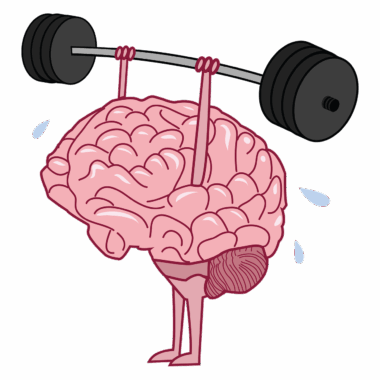

Customized Strength Training Programs for Mental Health Recovery
In recent years, mental health awareness has gained significant traction, highlighting the need for effective recovery strategies. Strength training has emerged as a potent tool to support mental health recovery, as it provides benefits that transcend physical improvement. Tailoring strength training programs to suit individual needs can enhance motivation and adherence, making therapy more effective. The psychological benefits of exercise, especially resistance training, support improved self-esteem and mood regulation. Additionally, structured exercise routines can help reduce symptoms of anxiety and depression. Engaging in strength training not only promotes physical resilience but also fosters a sense of accomplishment. This can lead to a more profound emotional balance and greater mental clarity. As clients embrace tailored fitness regimens, they often experience breakthroughs, showing how intertwined physical wellbeing is with mental health. It’s essential to explore various exercises and techniques, as specific movements may resonate more deeply with different individuals. Seeking guidance from fitness professionals specializing in mental health can also help tailor these programs to ensure success. Incorporating strength training into recovery plans can become a vital part of maintaining mental health.
Understanding the unique needs of individuals struggling with mental health disorders is crucial when designing customized strength training programs. The first step involves conducting a thorough assessment to gather vital information about the client’s physical abilities, therapeutic goals, and any contraindications. Upon gathering this information, trainers can then develop targeted exercise plans that align with mental health needs. In theory, if someone experiences anxiety, they may benefit from lighter weights and more repetitions, combining strength training with mindfulness techniques like breathing exercises. On the other hand, people battling depression may respond well to heavier lifting routines that encourage a sense of empowerment. Each person requires a unique strategy based on their mental and physical health challenges. Key elements to explore when creating these programs include the frequency of workouts, types of exercises, and recovery intervals. Trainers should also educate clients about the mental benefits of each exercise, reinforcing progress as they build strength. Bonding with clients during training can foster a supportive environment, which can be healing in itself. With every successful workout session, individuals build resilience that transcends the gym, positively impacting their daily lives.
When incorporating strength training for mental health recovery, it’s vital to set realistic goals to avoid burnout or injury. Establishing small, achievable targets can increase motivation and provide a sense of accomplishment. Clients should be encouraged to reflect on their progress and celebrate their victories, whether big or small. It’s also essential to create a balanced routine that addresses all major muscle groups while ensuring the inclusion of functional exercises that promote overall fitness. These exercises should be adaptable and progressive, providing enough variation to keep individuals engaged throughout their journey. Moreover, consistency and frequency are crucial in enhancing both physical strength and mental resilience. Trainers should encourage clients to commit to regular sessions while promoting rest days for recovery. Alongside physical strength, integrating holistic approaches, such as yoga and meditation, can enhance outcomes significantly. These practices further promote mental clarity and emotional peace, creating a synergistic effect that supports clients’ mental health recovery. Strength training can be an effective therapeutic tool, establishing a robust foundation for lasting positive changes. By creating structured yet flexible programs, clients can effectively integrate health improvement into their lives.
Measuring Progress in Strength Training
Tracking progress in customized strength training programs for mental health is essential to evaluate results and adjust routines accordingly. Several metrics can help trainers and clients gauge improvements, including weight lifted, repetitions completed, and overall workout consistency. Additionally, qualitative measures, like self-reported mood fluctuations and energy levels, can provide valuable insights into the program’s impact. Encouraging individuals to maintain a training journal can enhance their self-awareness while serving as an excellent motivational tool. In this journal, they can note workout experiences and how physical activity influences their mental state over time. Working collaboratively with clients to analyze trends allows trainers to make informed adjustments to exercise plans, ensuring continued growth and preventing plateaus. An essential aspect of mental health recovery is reflective practice, which encourages mindful engagement in one’s physical journey. Tracking progress leads to ongoing dialogue between clients and trainers, allowing for adjustments that match personal growth. Creating visual progress charts can also be a fun and motivating aspect that visually represents their achievements. Recognizing these milestones can enhance self-esteem, reinforcing self-efficacy and personal empowerment.
Incorporating community elements into strength training programs can greatly benefit mental health recovery. Group classes offer a supportive environment where individuals can share their experiences and build social connections. These interactions can combat feelings of isolation often associated with mental health disorders. Creating a sense of belonging can help encourage ongoing participation and enhance motivation. Furthermore, sharing successes and challenges in group settings fosters accountability among participants. This support can lead to stronger relationships, promoting resilience while embracing fitness journeys together. Instructors should strive to create an inclusive atmosphere, ensuring that all clients feel valued and respected regardless of their starting point. Group workouts can also incorporate fun and engaging activities that may enhance enjoyment and boost motivation levels. For instance, creating mini-challenges or friendly competitions among participants can make workouts lively while encouraging improvement. Group training inherently promotes collaboration, enabling individuals to inspire each other. Engaging with others enhances the mental health benefits derived from exercise, amplifying joy and satisfaction gained from the strength training process. Building this communal support system is integral to sustaining long-lasting recovery outcomes.
Nutrition and Recovery
Nourishment plays a crucial role in the effectiveness of strength training programs dedicated to mental health recovery. Maintaining a balanced diet supports the body and mind, enhancing overall results received from training. Nutritional recommendations should focus on whole foods that nourish both the body and brain, including fruits, vegetables, lean proteins, and essential fats. Staying adequately hydrated is another critical factor, as sufficient water intake is necessary for optimal physical and cognitive performance. Additionally, nutritional timing can be important; consuming the right nutrients around workouts can aid recovery and foster strength gains. It’s also advisable to consider incorporating supplements where appropriate, as they can fill nutritional gaps. Clients should work closely with nutritionists or dieticians to tailor their meal plans, aligning these with individual workout routines. Educating clients about how nutrition affects exercise performance and mental health well-being can have profound implications. It can motivate them to prioritize healthy eating habits alongside their training. Establishing a connection between nutrition and mental health enhances accountability, encouraging individuals to take control of all aspects of their wellness. Thus, integrating nutrition education within strength training programs is paramount to supporting recovery journeys.
Customized strength training programs can provide long-term mental health benefits beyond immediate recovery. Building physical strength fosters mental resilience, helping individuals cope with life’s challenges more effectively. The self-discipline gained through regular exercise translates into increased focus and better emotional regulation in daily life. Many participants soon discover that structured training routines create a sense of normalcy and stability, essential for individuals dealing with unpredictable emotions. Moreover, the consistency developed through training helps reinforce habits that contribute positively to mental health. The exercises strengthen not only the body but also the mind, empowering individuals with improved coping mechanisms for stress and anxiety. As clients progress through their personalized programs, they may notice enhancements in their self-esteem and social interactions, contributing to a more fulfilling life. Continuous participation in strength training can lead to a more joyful and balanced lifestyle, underscoring the importance of physical activities in supporting mental health recovery. By committing to these programs, clients become active architects of their recovery, fostering real change. In essence, investing in customized strength training offers the dual advantage of physical fitness and sustainable mental health improvements.
This article highlights the critical connection between customized strength training and mental health recovery. As individuals face various challenges in their mental health journeys, incorporating strength training tailored to their needs can lead to significantly improved outcomes. Emphasizing the intricate relationship between physical and mental wellness reinforces that fitness is not solely about physiques; it’s also about empowering the human spirit. Helping individuals feel strong, both physically and mentally, fosters self-worth and resilience. Ultimately, the journey of strength training is more than just a weekly routine; it is a transformative experience that facilitates deeper healing. Whether addressing anxiety, depression, or other mental health issues, the inclusion of strength training in recovery programs can change lives significantly. Fitness professionals are encouraged to embrace this merging of fitness and mental health, championing programs that genuinely address individual needs. Using a comprehensive approach can empower clients, equipping them with the tools required for sustained success. This journey showcases how all aspects of health – physical, emotional, and mental – are intricately linked, underscoring the necessity for proactive engagement in personal growth. Above all, the resilience gained through strength training can become invaluable in life’s future challenges.