
Bodyweight Exercises for Physical Conditioning in Bootcamp
Bodyweight exercises are essential for enhancing physical conditioning in bootcamp training. These exercises utilize your own body weight to build strength, endurance, flexibility, and balance, all crucial components for effective physical fitness. One of the primary advantages is that they can be performed anywhere, minimizing the need for gym equipment. This is especially useful in bootcamp settings where space and equipment variety may be limited. Not only do these exercises allow for individual adjustments in intensity, but they also promote functional strength. Exercises such as push-ups, squats, and lunges can be modified to suit all fitness levels, making them highly adaptable. Incorporating a variety of movements can prevent boredom and increase motivation, helping participants stay committed to their workout regimen. Furthermore, bodyweight exercises often encourage community building and camaraderie among participants, leading to improved group dynamics. Emphasizing proper form and technique is important to maximize benefits while minimizing injury risk. Engaging in regular bodyweight training can significantly enhance overall physical conditioning, making it an invaluable component of bootcamp programs. Adjusting exercise routines to accommodate group fitness dynamics ensures that everyone can participate effectively and safely.
One highly effective bodyweight exercise to incorporate into bootcamp training is the push-up. The push-up effectively targets multiple muscle groups, including the chest, shoulders, triceps, and core. This exercise can be performed in various modifications, allowing participants to choose the version that caters to their strength level. For instance, beginners can opt for knee push-ups, while more advanced individuals may challenge themselves with variations such as decline push-ups or clap push-ups. Organizing push-up competitions can add an element of fun and motivation amidst the rigorous training regimen. To maintain balance in the workout routine, participants should also focus on other push-up variations that emphasize different muscle groups. Creating circuit training sessions that bundle various bodyweight exercises together can keep participants engaging and active while maintaining a high heart rate. Their versatility makes these circuits ideal for bootcamp settings. Participants can rotate through multiple stations, ensuring a comprehensive workout that focuses on both cardiovascular endurance and muscular strength. Setting timed rounds not only enhances competitiveness but also helps to improve individual performance over time. As strength and endurance increase, participants can incrementally increase repetitions or alter exercise variations.
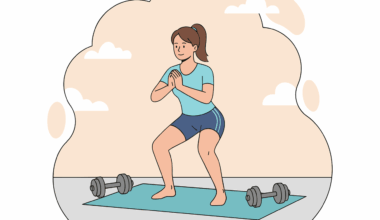
Another fundamental exercise category to consider in bootcamp training is lower body workouts, specifically squats. Squats are incredibly effective at targeting major muscle groups in the legs, including the quadriceps, hamstrings, and glutes, promoting overall lower body strength. It is important to emphasize proper form to avoid injuries and to make the most of the exercise. There are various squat variations that can be integrated into the routine, such as sumo squats, jump squats, or pistol squats, each providing unique benefits and challenges. Beginners can start with bodyweight squats, gradually increasing their intensity as they gain strength and confidence. Incorporating dynamic movements and plyometric exercises maintains elevated heart rates, pushing participants further towards their conditioning goals. Training sessions can include timed squat challenges to encourage participants to push their limits. Additionally, partnering participants for squats or holding them accountable encourages engagement and enthusiasm. Increasing squat numbers gradually will gauge progress, supporting each individual’s journey in the bootcamp program. The collective energy and motivation of the group can significantly enhance the workout experience, making lower body strength training a vital aspect of conditioning in bootcamp scenarios.
Core Strength and Bodyweight Exercises
Core strength plays a pivotal role in physical conditioning within bootcamp training. A strong core improves stability, posture, and balance, ultimately enhancing overall performance during various exercises. Planks are an excellent bodyweight exercise to incorporate specifically for building core strength. They engage multiple muscle groups across the body, including the rectus abdominis, obliques, and lower back. By maintaining strict form during plank variations, such as side planks and plank jacks, participants can challenge their stability and endurance levels. Timed plank challenges can be creatively incorporated, stimulating competitive spirits while focusing on technique and improvement. Besides planks, other great core exercises include mountain climbers, hollow holds, and flutter kicks, adding variety and effectively targeting abdominal muscles. By mixing different core-centric exercises, bootcamp participants can continuously work on their stability and strength. Encouraging participants to progress by gradually increasing the timing or repetitions reinforces their growth. Cultivating camaraderie through shared goals makes core workouts engaging. In addition, fostering an environment of support and motivation enhances performance, and individuals feel encouraged to challenge themselves, resulting in overall improved physical condition during bootcamp training.
Cardio workouts are another key aspect of physical conditioning in bootcamp environments, and they can easily be integrated with bodyweight exercises. High-intensity interval training (HIIT) can effectively raise heart rates while sharing essential fitness benefits. Combining bodyweight exercises like burpees or high knees with short rest intervals ensures that participants receive an intense workout to boost endurance levels. These cardio-focused bodyweight exercises are not only powerful but also create an engaging and energetic atmosphere. Additionally, participants may enjoy the challenge of timed rounds where they must complete as many repetitions as possible within a short timeframe. Organizing relay races using bodyweight movements creates a lively and competitive spirit that fosters teamwork. Each interval encourages participants to challenge their limits while working together, resulting in a fun and rewarding experience. As fitness increases, participants can experiment with more complex bodyweight exercises, pushing their aerobic and anaerobic thresholds further. Ensuring a variety of movement patterns keeps the workout fresh and prevents monotony. Encouraging feedback among participants creates opportunities for improvement while promoting individual accountability in achieving personal fitness goals.
Flexibility and mobility are often overlooked components of physical conditioning, yet they are crucial for overall performance in bootcamp training. Integrating bodyweight exercises that enhance flexibility helps improve muscle function. Movements such as dynamic stretching, lunges with a twist, and inchworms can be included in warm-up routines to ensure participants are prepared for the sessions ahead. Focusing on flexibility can alleviate soreness and muscle stiffness associated with rigorous workouts. Completing cooldown routines featuring static stretches will encourage recovery while enhancing muscular flexibility after workouts. Offering participants insights about the importance of flexibility can lead to greater self-awareness regarding their bodies. Incorporating yoga-inspired movements can also involve breath control, mediating stress and balance during physically demanding training. Creating a culture of mindfulness in bootcamp class settings reinforces internal health awareness. Encouragement toward mutual support among participants fosters accountability in maintaining personal flexibility journeys. Including regular assessments of flexibility progress motivates participants to strive for more. Bodily awareness and heightened flexibility are vital indicators of overall fitness and should be emphasized within bootcamp training programs. Committing to regular flexibility exercises ultimately enhances performance in all areas of physical conditioning.
Conclusion and Actionable Tips
Incorporating bodyweight exercises into bootcamp training significantly enhances physical conditioning outcomes for participants. The versatility and adaptability of these exercises allow for a dynamic workout environment, catering to different fitness levels. Encouraging group engagement can promote a sense of community among participants, enhancing motivation and accountability. Be sure to include a variety of movements to address various aspects of fitness, including endurance, strength, flexibility, and coordination. Trainers should focus on creativity, designing workouts that keep participants interested while achieving optimal results. Adding accountability through partner workouts and challenges can further encourage participants to push their limits. Always prioritize proper form to ensure safety and reduce injury risk, facilitating long-term adherence to training programs. Regular assessments will help participants track their progress, ensuring that they stay motivated and empowered throughout their fitness journey. The most successful bootcamp training programs emphasize holistic conditioning approaches, integrating bodyweight exercises for comprehensive physical fitness. By embracing this creative synergy, trainers and participants alike can expect enhanced personal growth and improved fitness outcomes from engaging in these dynamic training sessions.
Investing time into understanding bodyweight training concepts ultimately leads to improved physical performance in bootcamp settings. Every participant can benefit from this engaging training format that emphasizes functional strength and endurance. By continuously rewarding progress and fostering an inclusive atmosphere, trainers can create impactful growth for each individual in their bootcamp programs. In conclusion, bodyweight exercises are a central element of physical conditioning in bootcamp training. By emphasizing strength, endurance, and flexibility, you help participants achieve their fitness goals, and enhance their overall well-being. The journey to fitness can be transformed into a collaborative adventure, where participants feel inspired to reach their highest potential.