
The Power of Visualization: Enhancing Recovery Through Mental Imagery
Visualization is a potent tool in addiction recovery, leveraging the power of the mind to influence and enhance physical outcomes. This method can be employed by anyone on a recovery journey, paving the way for inner peace and strength. Through mental imagery, individuals can envision their goals and success, significantly promoting healing. When combined with talking therapies, visualization techniques have shown to boost self-esteem and motivation. Those recovering from addiction can imagine themselves overcoming challenges, celebrating milestones, and enjoying a drug-free lifestyle. Studies suggest that visualization can alter cognitive pathways, reduce stress, and improve emotional well-being. Visualization isn’t limited to imagining outcomes; it also entails projecting during challenging situations. By mentally practicing coping strategies, individuals can respond to cravings and triggers more positively. Engaging consistently in such exercises may rewire negative thinking, fostering resilience. Incorporating mindful breathing and imagery techniques can amplify the benefits, thus ensuring greater stability in recovery. The beauty of visualization is its accessibility; it can be performed anywhere, anytime, providing a sense of control amid the struggles of recovery. By harnessing this technique, individuals unlock their potential to transcend their addiction.
Understanding the Mind-Body Connection
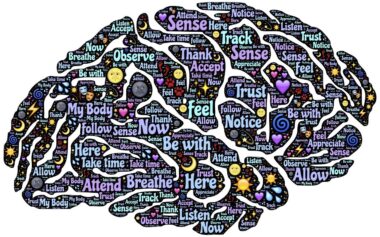
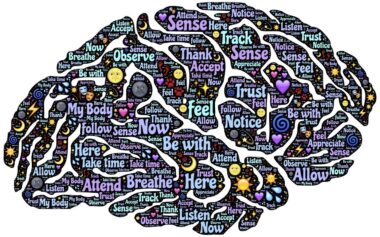
The mind-body connection plays a pivotal role in addiction recovery, encompassing the intricate interplay between thoughts, feelings, and physiological responses. Recognizing this connection can empower individuals to utilize their mental faculties for healing. In addiction recovery, thoughts often dictate feelings and behavior, making it essential to cultivate a positive mindset. Techniques such as visualization harnessing this connection allow individuals to create constructive mental responses. For instance, by visualizing healthy scenarios, individuals can evoke emotional states that counteract cravings and anxiety. This process helps in reprogramming the subconscious, transforming destructive patterns into positive narratives. Furthermore, neuroscience research has begun to reveal the tangible effects of positive visualization on the brain, demonstrating improved emotional regulation and decreased stress levels. As individuals practice visualization, they foster a sense of control and agency, which is crucial during recovery. It gives them the ability to anticipate challenges and devise actionable strategies to navigate them. Training the mind leads to remarkable changes in behavior while improving overall mental health. Thus, understanding the mind-body connection creates a foundation upon which effective visualization practices can build, paving the way for sustained recovery.
Incorporating mindfulness practices can enhance the effectiveness of visualization techniques significantly. Mindfulness, defined as the practice of being fully present and engaged in the moment, cultivates awareness and encourages individuals to observe their thoughts without judgment. When combined with visualization, mindfulness allows individuals to approach their recovery more holistically. For instance, while visualizing a successful future, individuals can remain aware of any intrusive negative thoughts, acknowledging and setting them aside. This active engagement promotes a healthier dialogue within oneself, lessening the grip of past trauma and self-doubt. Additionally, mindfulness enhances relaxation and reduces stress, creating an optimal mental state for visualization. By integrating deep breathing exercises, individuals can improve the efficacy of mental imagery, deepening their focus and clarity. The synergy between visualization and mindfulness also enhances emotional resilience, allowing individuals to cope better with cravings and triggers effectively. As they become more attuned to their thoughts, emotions, and physical sensations, they gain invaluable insight into patterns that may otherwise lead to relapse. Thus, embracing both mindfulness and visualization maximizes the potential for lasting recovery through sustained mental and emotional growth.
Practical Techniques for Visualization
Implementing effective visualization techniques requires practice and intention. First, individuals need to establish a clear vision of what a successful recovery looks like for them. This involves setting specific, achievable goals that are both realistic and inspiring. A common technique is to create a visualization script that incorporates vivid imagery, emotions, and sounds associated with success. When practicing visualization, it is essential to find a peaceful, quiet environment where one can engage deeply without distractions. By closing the eyes and focusing on breath, individuals can ground themselves before embarking on their visualization journey. It is advisable to engage all senses during the process—imagining the smell of fresh air or the sounds of laughter can create a richer experience. Additionally, it is important to practice regularly, as consistency strengthens the neural pathways associated with these positive images. Some individuals find it helpful to combine visualization with other practices such as journaling, reinforcing their commitment to recovery and personal growth. Over time, these techniques can effectively alter emotional responses and increase motivation to adhere to recovery principles, leading to lasting transformation.
Group therapy settings often incorporate visualization exercises, fostering a collective healing experience among participants. Engaging in shared visualization not only enhances individual experiences but also cultivates community support. Such exercises promote accountability, as group members witness each other’s growth and progress. In groups, members can share their visions, motivating one another and forming deeper connections through vulnerability and inspiration. These sessions might involve guided visualizations led by a trained facilitator who encourages participants to imagine overcoming obstacles together. This collective approach encourages healing beyond personal struggles, allowing participants to envision a positive future as part of a community. Sharing positive imagery also enables group members to discuss personal challenges openly, facilitating an exchange of coping strategies. The diversity of experiences can enrich each member’s visualization journey and bolster emotional support. This communal aspect of visualization helps in combating isolation, a common issue in addiction recovery, by fostering an environment of empathy and encouragement. As individuals witness and support one another, they strengthen their resolve on the path to recovery. This collaborative approach to visualization ultimately transforms individual healing into a shared journey of triumph.
Research Supporting Visualization in Recovery
Numerous studies highlight the efficacy of visualization as a tool within addiction recovery frameworks. Research indicates that individuals who engage in visualization exhibit lower anxiety levels and enhanced coping mechanisms. This is particularly crucial during moments of self-doubt or temptation, as visualizing success can reinforce commitment to sobriety. Researchers have observed that those who practice visualization show improved performance in real-life scenarios by mentally rehearsing their responses. Furthermore, brain imaging studies have demonstrated that visualization activates similar neural pathways as actual experiences, suggesting profound effects on emotional and cognitive functions. This creates an opportunity for recovery programs to incorporate visualization as a core therapeutic tool. Programs centered around mindfulness and visualization could further optimize recovery processes, tailoring strategies to individuals’ unique personal journeys. By embracing these methods, rehabilitation centers can foster environments that prioritize mental health alongside physical well-being. As the field of addiction recovery evolves, the integration of such research-founded techniques emphasizes a more holistic approach. Embracing advanced psychological methodologies, including visualization, can lead to substantive breakthroughs for individuals seeking to reclaim their lives and health.
Ultimately, the journey of addiction recovery can greatly benefit from integrating visualization practices. As this method continues to gain recognition, it is crucial for both individuals and health professionals to appreciate its impact. By fostering awareness of the mind-body connection, individuals can harness their mental faculties effectively. Visualization empowers individuals to reclaim control over their lives, offering them mental tools to combat cravings and increase resilience. The simplicity and accessibility of visualization techniques make them valuable assets in any recovery toolkit. Each time an individual engages in visualization, they reinforce their commitment to positive change, allowing their subconscious to align with their conscious goals. The practice of mental imagery fosters a growth mindset, supporting ongoing recovery and adaptation. Ultimately, embracing visualization offers individuals the chance to navigate their recovery journeys with greater confidence and clarity. As research continues to support its benefits, visualization will undoubtedly play a significant role in the evolution of addiction treatment and recovery methodologies. By embracing these innovative approaches, individuals can unlock their potential and thrive in their efforts to transform their lives, emerging stronger and more empowered than ever.
Conclusion
In conclusion, visualization serves as a powerful ally in addiction recovery by facilitating deeper connections between the mind and body. As individuals leverage their mental imagery skills, they cultivate hope, resilience, and clarity—key elements in overcoming addiction. The techniques can be integrated into various therapeutic frameworks as health professionals recognize their effectiveness. Practicing visualization allows individuals to develop a deeper understanding of themselves and confront their challenges with confidence. By consistently engaging with visualization, individuals promote mental well-being while reducing anxiety and stress, essential components for long-term recovery success. Additionally, fostering these skills within a supportive community encourages shared healing experiences, ultimately enhancing emotional connections among participants. As scientific research continues to validate the efficacy of mental imagery, more treatment centers will be inspired to incorporate it into their recovery programs. The future of addiction recovery lies in understanding how mental tools, such as visualization, can lead to remarkable transformations. Ultimately, the power of visualization can illuminate the path of recovery, guiding individuals toward healthier, fulfilling lives free from addiction. By embracing this potent technique, individuals can evoke change and empower themselves to reclaim their lives.