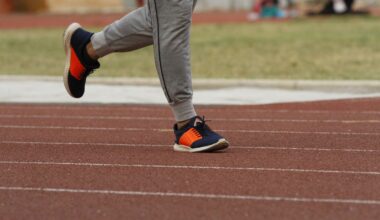

The Influence of Physical Activity on Teen Posture
Teenagers today are increasingly facing issues relating to their posture due to sedentary lifestyles and the extensive time spent on screens. Studies point to a correlation between regular physical activity and improved posture among youths. Proper posture is crucial as it affects not only physical appearance but also overall health. A strong foundation in physical fitness promotes muscle strength in the back and abdomen, which helps maintain spinal alignment. Activities such as swimming, yoga, and gymnastics encourage flexibility and strengthen key muscles. Furthermore, these activities enhance coordination and body awareness. Parents should advocate for regular engagement in physical activities that promote good posture. This encourages responses from peers that are positive, significantly boosting confidence levels in adolescents. Schools can further assist by creating programs that incorporate various forms of exercise into daily routines. Hence, boosting a teen’s overall well-being and development beyond the classroom is essential. Encouraging a holistic lifestyle filled with good habits significantly impacts long-term health. Teens can benefit from these practices by understanding their bodies and recognizing the importance of their physical stature as they grow.
It is essential to recognize the role of technology in altering teenage posture. Smartphones and computers have become central to various activities crucial for education and socialization. However, prolonged usage often leads to poor postural habits such as slouching and leaning. These habits, developed over time, significantly impact musculoskeletal health. As teens continue to use devices, adverse changes in posture become more prominent, resulting in discomfort and potential health issues in the long run. Parents and educators must acknowledge the challenges that accompany technology use and implement guidelines to mitigate these risks. For instance, encouraging the practice of stretching breaks can alleviate tension caused by long hours of sitting. Additionally, teaching about ergonomic setups at desks can significantly enhance postural wellness. Regular discussions on the importance of maintaining an upright and aligned posture while engaging with technology can also create heightened awareness. Interactive workshops on posture education can positively influence behavior changes among teens. This preventative approach aims to equip them with the necessary tools needed to develop healthier relationships with technology while safeguarding their posture. Implementing these methods can significantly improve posture and overall well-being.
The Impact of Sports on Posture
Engaging in sports is an excellent way for teens to develop their postural strength. Different sports target various muscle groups and enhance balance, both of which are crucial for maintaining proper alignment. For instance, sports such as soccer, basketball, and lacrosse promote dynamic movements that reinforce core stability and back strength. Teams often emphasize the importance of stretching and strength training to prevent injury, further supporting optimum posture. Through consistent participation, teens learn to develop an awareness of their bodies, improving their postural control. Moreover, sports instill discipline, motivating teens to take better care of their health. As they progress, they likely become more conscious of their posture both in and out of athletic contexts. Additionally, social interactions built through team sports can enhance self-esteem, positively influencing how adolescents carry themselves. Schools and communities should, therefore, encourage youth sports participation by providing facilities and resources that promote accessibility to athletes. By fostering this environment, more teens can reap the posture benefits associated with an active lifestyle. Ultimately, the ascribed advantages of sports extend well into daily life, promoting lifelong healthy habits that benefit future generations.
Fitness training targeted at teenagers can also promote healthy posture by addressing common muscle imbalances. Engaging in exercises that strengthen the back while promoting flexibility in the chest and shoulders is particularly effective. Adolescents often exhibit tightness in the chest due to poor habits, which can lead to rounded shoulders. Various resistance and stretching exercises can help fix these imbalances, ensuring that muscle strength remains balanced. Group classes designed for teenagers can create an enjoyable environment where posture improvement becomes a collective goal. Moreover, incorporating functional movement patterns helps mainstream better alignment strategies into everyday routines. Teenagers can also learn the significance of maintaining good posture during other activities, such as studying or sitting in class. Incorporating educational information on the biomechanics of posture can elevate awareness and understanding. Consequently, training programs can enlighten teens on essential posture-related principles while allowing them to experience the emotions associated with achieving correct alignment. Overall, combining fitness training with an educational component allows for a comprehensive approach to posture improvement. By emphasizing skills applicable both in fitness settings and daily circumstances, teens can improve their quality of life.
Encouraging Positive Postural Habits
Developing a culture that champions positive postural habits among teens requires the involvement of parents, schools, and peers. Speaking about its significance openly cultivates awareness about posture’s impact on health. Regular family activities promoting movement allow families to model good behaviors while having fun. This encourages teens to adopt healthy habits with minimal resistance. Classes incorporated into the school curriculum can teach proper posture awareness alongside physical education. Including specific lessons that inform about body mechanics and ergonomics helps deepen their understanding and appreciation of maintaining good posture. Engaging resource materials, such as videos or workshops, can provide helpful visuals and techniques for effective posture improvements. Peers play a crucial role as they reflect behavior positively or negatively. Creating supportive environments enables teens to inspire one another while pursuing better postural habits. Moreover, schools could initiate friendly challenges that promote proper ergonomics, encouraging friendly competition in mastering proper posture techniques. Health professionals, such as physiotherapists, could also deliver informative sessions that engage teens while educating them on preventing posture issues. Such collaborations multiply positive influences and ensure that teens remain informed and committed to improving their posture.
In conclusion, physical activity is central to developing and maintaining good posture among teenagers. As adolescents continue to confront postural challenges linked to technology and lifestyle, motivating them to engage in physical activities is imperative. Incorporating sports and fitness training into their lives instills awareness and promotes self-confidence. By fostering environments that support their physical health through open discussions and encouragement, families, communities, and schools can all contribute significantly. It is crucial for teens to recognize the connection between posture and their potential success in daily life. As they improve their strength and flexibility, their confidence will likewise increase. By emphasizing the necessity of an active lifestyle, forward-thinking educators can influence the choices their students make positively. Creating an open dialogue about these issues allows room for their understanding of health and posture-related challenges to thrive. By working collaboratively to promote physical activities, we establish the groundwork for healthy postural habits. These habits can significantly influence their well-being as they transition into adulthood. Investing time in developing these practices creates a promise of healthier futures for younger generations to come.
Ultimately, integrating education on posture alongside physical activities encourages a proactive approach to health in teenagers. Through collaborative efforts, we can reduce the prevalence of postural issues, allowing youth to thrive both academically and socially. Building strong foundations for physical health directly correlates with their personal growth trajectory. Therefore, incorporating awareness into our communities is crucial as we strive for holistic approaches to adolescent health. We must support initiatives that aim to foster a well-rounded development, ensuring that the younger demographics are secure in their physical well-being. This encompasses encouraging regular movement, promoting awareness, and seeking ample opportunities to improve. Creating spaces for physical activities that are enjoyable encourages long-term participation while fostering community spirit. Subsequently, the benefits will ripple through into various aspects of their lives, paving the way for healthier lifestyles in adulthood. Emphasizing the positive effects of maintaining proper posture will develop lifelong habits that contribute not just physically but also mentally. Enhancing how they relate to their bodies becomes a significant part of their journey in fostering self-love and appreciation. As they learn to embrace being active, they will recognize its importance and advocate for healthy living.