
The Effect of Exercise on Hormones That Control Fat Metabolism
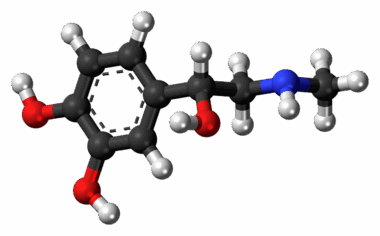
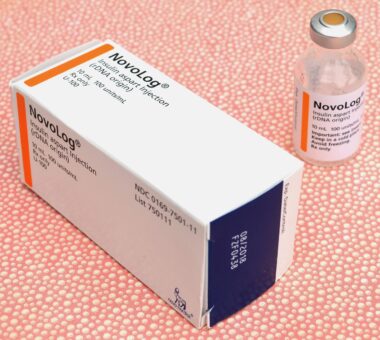
Exercise has a profound impact on hormone regulation, particularly in relation to fat metabolism. Engaging in regular physical activity stimulates the release of hormones such as adrenaline and norepinephrine. These hormones aid in breaking down fat stores and converting them into energy. Additionally, exercise boosts the production of growth hormone, which is essential for muscle growth and overall metabolism. Improved insulin sensitivity is another key benefit derived from physical activity. Insulin plays a crucial role in fat storage and metabolism. By enhancing the body’s response to insulin, exercise helps control blood sugar levels and promotes fat utilization. Numerous studies indicate that both aerobic and strength training produce significant hormonal changes. High-intensity interval training (HIIT) is particularly effective at increasing fat-burning hormones. This form of exercise elevates human growth hormone release far beyond traditional steady-state workouts. Moreover, regular physical activity promotes a favorable hormonal environment, aiding in weight management and overall health. To maximize fat loss, it’s important to combine different types of training alongside a balanced diet. Exploring the intricate relationship between exercise and hormone function remains a critical area of research.
When discussing how exercise influences hormones, it’s essential to consider cortisol levels. Cortisol is a hormone released during stress and plays a significant role in metabolism. Moderate exercise can help maintain cortisol at healthy levels. However, excessive training, or overtraining, can lead to elevated cortisol, which may hinder fat loss. By managing stress and ensuring adequate recovery, individuals can retain optimal hormone balance. Additionally, testosterone, which is vital for muscle growth, also benefits from regular physical activity. Exercise, especially resistance training, contributes to elevated testosterone levels, facilitating fat metabolism. It’s crucial to incorporate varied forms of aerobic and anaerobic exercises within a workout regimen. Furthermore, exercise increases the production of endorphins, which are hormones that promote feelings of happiness and well-being. A positive mental state can influence motivation to maintain an active lifestyle. Understanding hormonal adaptations to exercise allows individuals to tailor their fitness programs for maximum fat-burning efficiency. Therefore, the incorporation of structured physical activity has far-reaching effects on hormone regulation. Engaging in regular, balanced exercise routines ensures that these beneficial hormonal influences are sustained over time.
Understanding Hormonal Shifts During Exercise
It is also critical to comprehend how various types of exercise lead to different hormonal responses. For instance, endurance training leads to a different hormonal output compared to strength training. Endurance exercises, such as running or cycling, primarily enhance endurance and fat oxidation. In contrast, strength training primarily stimulates testosterone and growth hormone production, both essential for muscle gain and metabolism. Resistance exercises create micro-tears in muscle fibers, prompting the body to repair and grow stronger. This repair process emphasizes the importance of recovery in hormonal balance. Integrating both exercise modalities ensures comprehensive hormonal benefits. A hybrid approach can lead to the most optimal fat metabolism outcomes. Recovery days also play an integral role in hormonal health, allowing time for critical hormones like testosterone to replenish. Skipping recovery can lead to a cascade of negative hormonal effects and reduced workout effectiveness. Scheduling activities like light cardio on rest days can aid in maintaining hormonal regulation while still promoting recovery. Exercise should be approached as a lifestyle choice, where enjoyment and consistency take precedence over extremes. Ultimately, striking a balance among types of exercise ensures optimal hormonal health.
Moreover, nutrition plays a significant role in hormonal responses to exercise. An appropriate diet complements the benefits of physical activity. Consuming adequate protein, healthy fats, and carbohydrates regulates hormonal responses effectively. For instance, post-workout meals rich in protein aid in muscle recovery and stimulate hormone levels beneficial for fat metabolism. Carbohydrates also replenish glycogen stores, influencing insulin and hormone levels positively. Healthy fats support hormonal functions, providing essential fatty acids that are necessary for hormone production. Moreover, understanding the timing of nutrient intake in relation to exercise can amplify hormonal benefits. Pre- and post-workout nutrition strategies can optimize energy levels for performance and recovery. The combination of exercise and the right dietary choices enhance fat loss more efficiently when they are matched with proper training. Supplements may also support hormonal balance, but it’s crucial to consult with a healthcare provider before considering any. A holistic approach—bringing together exercise, diet, and stress management—reinforces hormonal health. Exploring various methods to maintain balance is essential for achieving fitness goals. Overall, the synergistic effect of targeted exercise and nutrition promotes effective fat metabolism.
Long-Term Effects of Exercise on Hormones
Long-term participation in regular exercise profoundly shifts hormonal profiles. Over time, consistent exercise leads to elevated baseline levels of beneficial hormones, such as testosterone and endorphins. This gradual resilience to physical activity enhances metabolic rates even when at rest. Many people experience lower resting cortisol levels through regular training, which is advantageous for overall health and fat metabolism. Engaging regularly in physical activity can also help combat age-related hormonal decline, facilitating a healthier aging process. Structuring a long-term exercise plan that integrates diversity not only maintains interest but optimizes hormonal adaptations. While starting with manageable and enjoyable workouts helps facilitate consistency, progressive overload is also necessary for continual hormonal enhancement. Implementing periodic assessments allows individuals to monitor improvements and adapt their routines accordingly. It’s important to note that hormonal responses vary from person to person, influenced by genetics and existing health conditions. Therefore, customizing workout plans is vital for maximizing the benefits of exercise on hormone health. Ultimately, a lifelong commitment to exercise fosters enhanced vitality and promotes a sustained, healthy hormonal balance.
In conclusion, the effect of exercise on hormones that control fat metabolism is profound and multifaceted. Regular physical activity is essential for maintaining a healthy hormonal balance and enhancing metabolic function. Hormones such as growth hormone, cortisol, and testosterone all respond positively to structured exercise programs. This relationship establishes exercise as a critical component in weight management. Additionally, emphasizing the importance of a balanced nutrition plan complements these hormonal changes effectively. The interconnectedness of exercise, diet, and mental well-being reinforces the holistic approach necessary for optimal hormonal health. Utilizing various training modalities and allowing adequate recovery can amplify the benefits of exercise. Understanding how to harness these hormonal shifts can profoundly influence personal health goals. As always, individuals should strive to find a fitness routine that resonates with their lifestyle for maximum adherence and enjoyment. A tailored approach that considers personal needs, preferences, and capabilities ensures sustainability over time. Continuous exploration of emerging research allows for better adaptations and strategies to promote hormonal health through exercise. To truly harness the power of hormones, commit to an active lifestyle enriched by informed choices.
Lastly, education on the role of exercise in hormonal health should be considered essential. Many lack knowledge regarding how specific workouts influence hormone production and balance. This deficit often results in the misinterpretation of exercise outcomes or unmet expectations. Educating individuals about these dynamics can help inspire informed choices. Additionally, providing resources and guidance on effective training and nutrition strategies can lead to better adherence to health recommendations. Establishing communities supportive of fitness promote the sharing of knowledge. Awareness and education about hormonal health empower individuals to adopt healthier patterns. Workshops, seminars, and online resources can aid in spreading understanding on this topic. By emphasizing the significance of exercise on hormone biology, individuals can be encouraged to embark on their unique journeys toward optimal health. Moreover, collaboration between fitness professionals and healthcare providers ensures that individuals receive well-rounded advice tailored to their needs. Ultimately, this knowledge leads to more empowered choices regarding lifestyle habits and health rewiring perceptions of exercise and wellness can create lasting impacts. The intersection of exercise and hormonal health is an ongoing conversation that warrants further exploration in health and fitness.