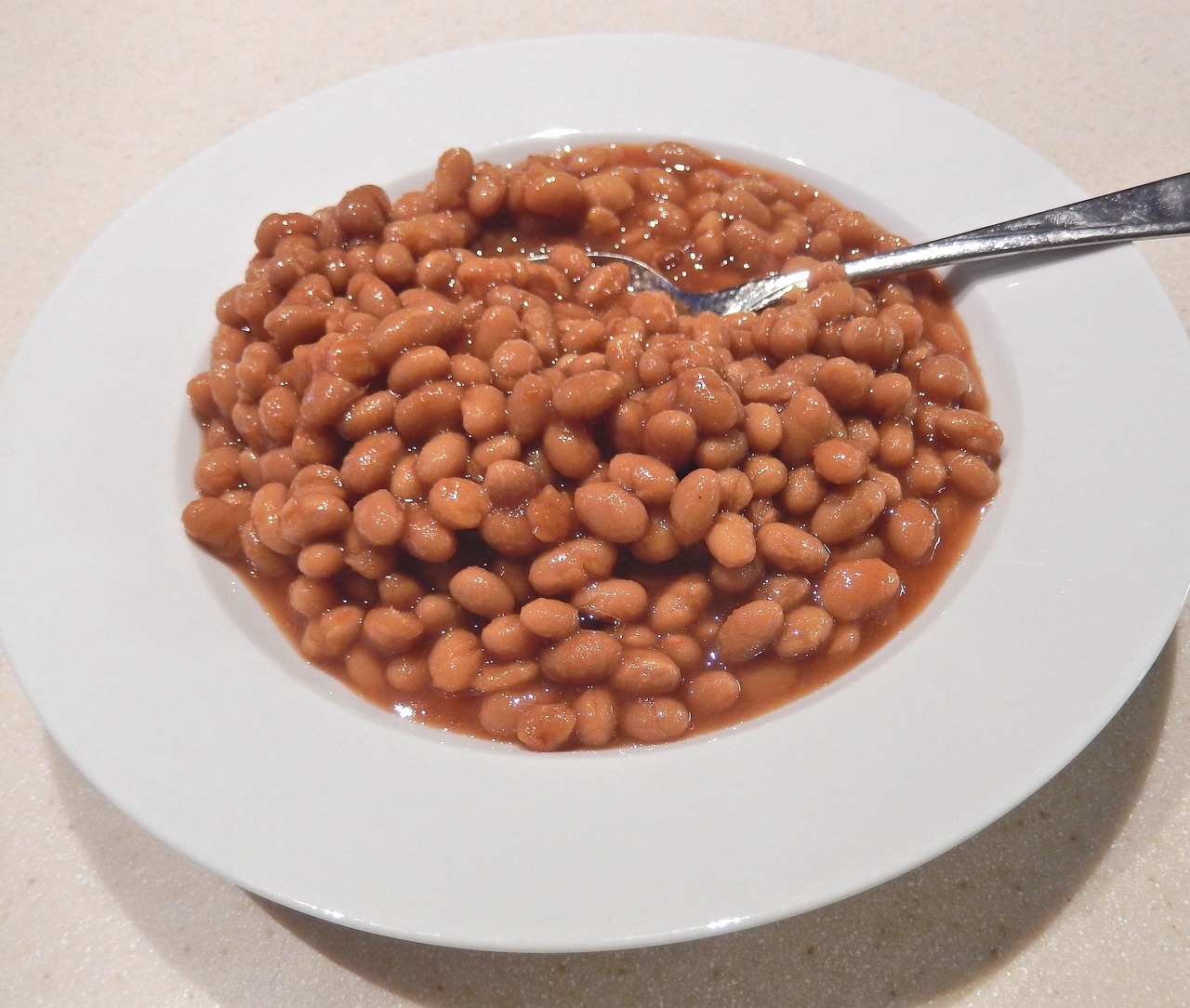

Slow Cooking for Vegans: Recipes and Techniques to Try
Slow cooking is a fantastic approach for those following a vegan diet. This cooking method not only enhances flavors but also helps in retaining essential nutrients. When you use a slow cooker, you have the freedom to combine various ingredients and let them meld over time. One great aspect is that it requires minimal preparation. Gather your favorite vegetables, legumes, and spices, then place them in the pot. A slow cooker transforms humble ingredients into flavorful dishes without needing constant attention. Moreover, the convenience of slow cooking allows busy individuals to prepare hearty meals effortlessly. Whether it’s a weekend or a weekday, simply set your slow cooker, and you can focus on other activities while your meal cooks. This method is perfect for soups, stews, and curries. Explore seasonal produce, using ingredients like sweet potatoes, carrots, and bell peppers. Add various herbs and spices to create rich flavors and aromas. With slow cooking, you can discover an entirely new world of vegan dishes, from hearty chilis to sweet desserts, all prepared with ease. Enjoy the journey of vegan slow cooking and savor each delightful bite.
To start slow cooking, consider investing in a quality slow cooker. There are many models available, from basic to advanced features, catering to all budgets. A well-built slow cooker will efficiently maintain a consistent temperature, ensuring even cooking. Always read the manual to understand the settings and adjust according to your recipes. It’s also beneficial to prepare your ingredients in advance. Cutting up vegetables the night before allows for easy assembly in the morning, maximizing efficiency. Layering flavors is essential for the slow cooking process. Begin with aromatics such as onions and garlic, which create a flavor base. Then, add hearty vegetables and grains. Finally, pour in your liquids, ensuring the contents are adequately covered for optimal cooking. A good tip is to keep the lid closed during cooking, as each time you lift it, heat escapes, prolonging cooking time. When experimenting, feel free to substitute ingredients based on personal preferences. Remember, each slow cooker may vary in cooking time, so occasional adjustments may be needed. Make your slow cooking experience enjoyable and fulfilling, allowing your taste buds to explore delightful vegan flavors.
Notable Vegan Slow Cooker Recipes
One popular vegan slow cooker recipe is lentil soup, known for its nutrition and taste. Combine red or green lentils with diced tomatoes, carrots, celery, and spices for a soothing meal. The cooking process allows the flavors to meld perfectly, creating comfort food in a bowl. For those craving something heartier, try a vegan chili featuring kidney beans, black beans, onions, and plenty of spices. This dish is satisfying and can be served alone or alongside cornbread. Another fantastic dish is coconut curry, where you mix chickpeas, mixed vegetables, and coconut milk for a creamy, delightful meal. The slow cooker allows the curry flavors to develop beautifully, bringing each bite to life. For dessert lovers, sweet potato and apple crisp is an exciting treat. Mixing sliced sweet potatoes and apples with oats and spices in a slow cooker yields a warm, healthy dessert perfect for any occasion. Serve it with dairy-free ice cream or yogurt for an elevated experience. Enjoy these simple yet delicious vegan recipes in your slow cooking adventures, making your meals memorable.
Benefits of Slow Cooking for Vegans
Utilizing a slow cooker offers several advantages, particularly for vegan diets. One significant benefit is the enhancement of flavors, as cooking ingredients for extended periods allows spices and herbs to penetrate deeply. Moreover, this method ensures that many nutrients are retained, as the gentle cooking preserves vitamins and minerals lost in other cooking methods. Another compelling advantage is the convenience. With a slow cooker, meals can be prepped in minutes and left to cook unattended. This is especially advantageous for busy couples or families, as it reduces the pressure of cooking each evening. Additionally, meal preparation involving a slow cooker can aid in portion control and help with food management, allowing you to prepare more significant quantities. You can enjoy leftovers for lunches throughout the week or share meals with friends. Cost-effectiveness is another no-brainer, as slow cooking leverages inexpensive ingredients like beans, grains, and seasonal vegetables. By investing in a good slow cooker, you can unlock a world of culinary creativity. Embrace the vegan lifestyle while reaping the myriad benefits that slow cooking has to offer.
When slow cooking, certain tips can help achieve the best results. Firstly, pay attention to ingredient cuts; using similar sizes ensures even cooking. For root vegetables like carrots and potatoes, cut them into uniform pieces so they cook at the same rate. Secondly, avoid crowding the cooker; there should be enough room for steam to circulate, and ingredients should not exceed the pot’s max fill line. Another essential tip is to layer the ingredients thoughtfully, beginning with denser items like potatoes and ending with leafy greens, which need less cooking time. Herbs and spices can be added in various stages for optimal flavor impact. For example, dried herbs can withstand long cooking times, while fresh herbs can be added in the last half hour. Additionally, don’t skip on the liquid; a good rule of thumb is to cover your ingredients with about an inch of liquid to prevent burning and to help in even cooking. Finally, trust your slow cooker while adjusting recipes as needed. With these tips in mind, elevate your slow cooking game and impress family and friends with mouthwatering vegan meals.
Creative Ingredient Substitutions for Slower Cooking
As you explore vegan slow-cooking techniques, ingredient substitutions can keep your meals dynamically exciting. For example, if a recipe calls for a specific type of bean, feel free to swap it for whatever you have on hand, such as black beans or navy beans. This flexibility is beneficial as it eliminates food waste by maximizing the use of your pantry. Similarly, in dishes featuring cream or cheese, consider using coconut cream or nutritional yeast for a rich, creamy consistency without dairy. Experimenting with different vegetables, like butternut squash instead of pumpkin, can introduce new flavors and textures. When seeking a broth base, you can use homemade vegetable stock rather than store-bought versions, enhancing freshness and flavor. Vegan meat alternatives, like tofu, tempeh, or seitan, are readily available for various recipes, suitable for incorporating protein into your meals. Lastly, consider adjusting the spices or liquid components based on what you have in stock. The beauty of slow cooking lies in the ability to create unique meals with everyday pantry staples. Your creativity will lead you to discover delightful vegan combinations with every recipe.
In conclusion, slow cooking is an incredible method for vegan meal preparation, with substantial benefits, including enhanced flavors and nutritional value. This approach gives you the freedom to be creative with a variety of ingredients while crafting meals that are both satisfying and nutritious. Whether you try a wholesome lentil soup, a comforting vegan chili, or a tropical coconut curry, the joys of slow cooking are vast. Remember to utilize preparation tips discussed to maximize efficiency and flavor, ensuring each meal turns out perfectly. Experiment with different recipes and let your culinary creativity shine as you find substitutions based on pantry contents and preferences. By embracing slow cooking, you’ll save time, reduce stress, and nourish both your body and spirit. Gathering around a table with friends and family to share slow-cooked vegan meals nurtures connections and fosters warmth. Dive into this cooking technique with enthusiasm, discovering delicious flavors and meals that cater not just to dietary needs but to everyone’s enjoyment. There’s a world of vegan recipes waiting for you to explore and enjoy all through the magic of slow cooking.
To enhance your slow cooking experience, consider utilizing meal prepping strategies and organizing your kitchen effectively. Preparing components in advance enables you to whip up creations whenever your appetite calls. Store pre-cut vegetables, canned beans, or grains in labeled bags for quick access. Organizing your spices and oils will streamline the cooking process, making them easy to grab when inspiration strikes. Furthermore, focusing on seasonal produce ensures the most flavorful ingredients are utilized. Seasonal fruits and vegetables often have better taste, nutrition, and price. Incorporating local and organic produce into your meals supports sustainability. Experimenting with flavors by adding fermented ingredients like kimchi or sauerkraut can bring a tangy kick to your creations while boosting gut health. Enjoy the benefits of slow cooking, simplifying your meal preparation, and allowing you to savor a variety of delicious vegan dishes daily. Share your culinary adventures by engaging with vegan cooking communities online or through social media. Following blogs and channels dedicated to vegan slow cooking can inspire new ideas and motivate continual exploration in the kitchen. Ultimately, slow cooking becomes a harmonious blend of convenience and creativity—with each meal telling a delicious story of compassion and taste.