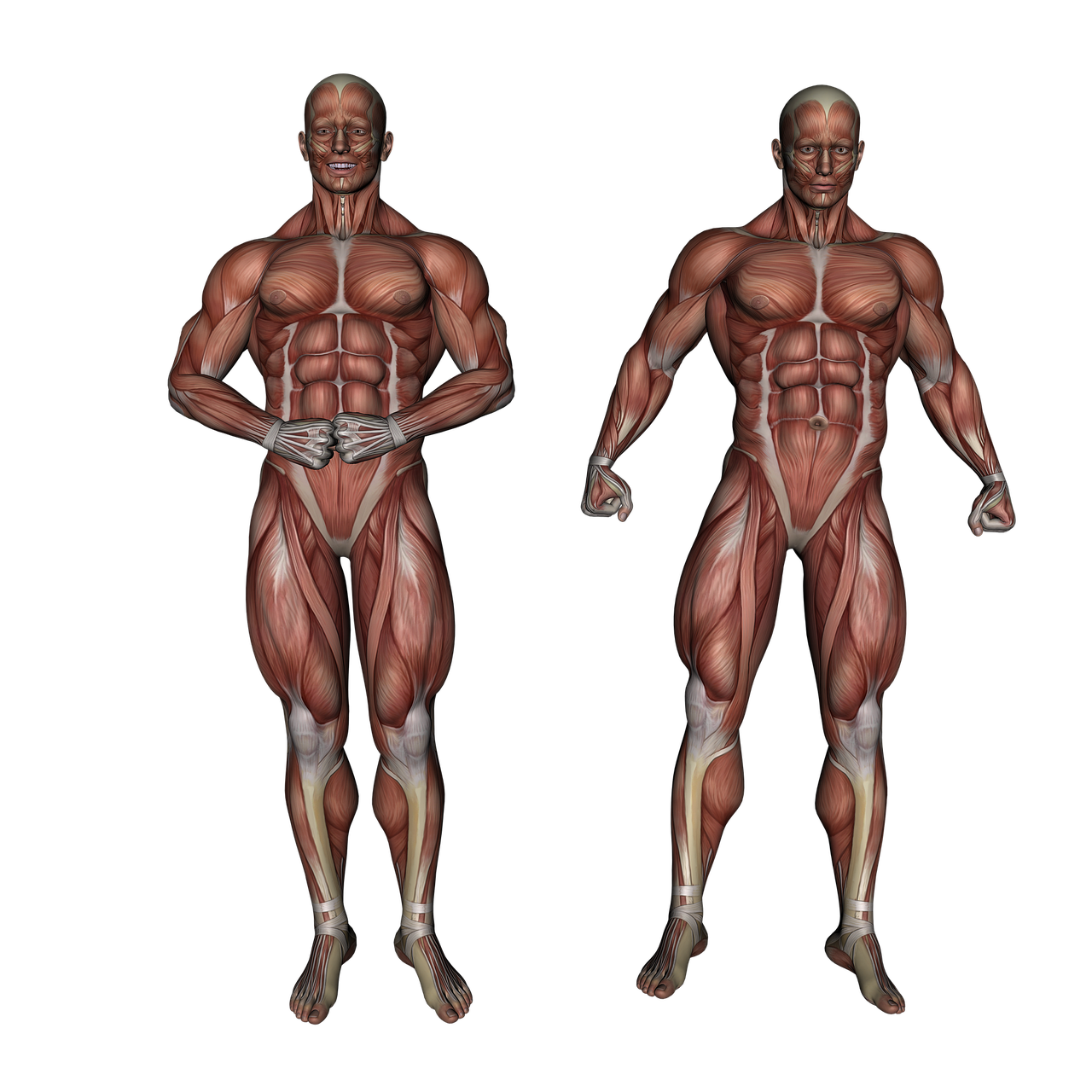

Muscle Groups and Their Impact on Metabolism
Understanding muscle groups and their functions is essential for anyone looking to enhance their fitness journey. Each muscle group plays a specific role in how we move and perform exercises. The body comprises major muscle groups, including the chest, back, shoulders, arms, legs, and core. These muscles can be worked collectively or independently to achieve various fitness goals. Engaging specific muscle groups not only increases strength but also contributes significantly to metabolic improvements. When muscles are trained, they require energy, which creates a higher basal metabolic rate (BMR). This increase may help in burning more calories even at rest. Resistance training, which targets these muscle groups, is especially beneficial for boosting metabolism. It helps in promoting muscle hypertrophy and strength, translating to enhanced caloric expenditures. For optimal results, it’s critical to incorporate compound movements that engage multiple muscles at once. These exercises, like squats or deadlifts, effectively promote metabolic responses and hormonal boosts essential for muscle growth. Therefore, comprehending muscle groups leads to better workout strategies and improved metabolic health, ensuring that your fitness efforts yield maximized benefits.
The Role of Major Muscle Groups
Major muscle groups have distinct responsibilities and significantly impact how effectively our bodies can perform motions. The chest muscles, primarily the pectorals, assist with pushing movements, crucial for exercises like bench presses. The back muscles, including the latissimus dorsi and trapezius, enable pulling actions and stabilize the spine during workouts. Shoulder muscles, mainly the deltoids, facilitate overhead movements, making them valuable for various upper body exercises. Arm muscles consist of the biceps and triceps, where the biceps help with flexing while the triceps are integral to extension movements. The core, which encompasses abdominal and lower back muscles, maintains stability and balance during most activities. These muscle groups work in unison during compound lifts, enhancing overall strength and muscle coordination. Each group’s contribution cannot be understated, as they collectively support functional movements encountered in daily life. Additionally, training these muscle groups can stimulate metabolic pathways that aid in fat loss and lean muscle gain. By targeting all major muscle groups in a workout routine, one fosters improved overall fitness levels while boosting metabolism considerably, leading to a healthier lifestyle.
However, it’s also important to consider how different muscle fibers influence metabolism. The human body consists of two primary muscle fiber types: slow-twitch and fast-twitch fibers. Slow-twitch fibers endure prolonged contractions, significantly contributing to endurance activities. When training, these fibers are engaged during lower-intensity workouts, leading to increased fat oxidation. On the other hand, fast-twitch fibers are recruited during high-intensity efforts such as sprinting or weightlifting. They provide the explosive force necessary for short bursts of speed and strength. The activation and development of these fibers lead to improved overall strength and a higher resting metabolic rate, which is beneficial for weight management. Moreover, training regimens that consistently target both muscle fiber types enable individuals to maximize their metabolic responses. Therefore, incorporating a variety of workouts—such as strength training mixed with cardio—becomes essential. This approach helps to ensure all muscles are utilized efficiently, promoting not only an effective workout but also higher caloric burn and substantial metabolic enhancement over time. As fitness enthusiasts increase their muscle mass, they will notice the long-term benefits from a boosted metabolism changing their body composition favorably.
Benefits of Compound Exercises
Compound exercises, which deploy multiple joints and muscle groups, are vital for maximizing muscle engagement and metabolic responses. Examples include squats, deadlifts, and bench presses, which utilize various muscle groups simultaneously. By engaging more than one muscle group, these exercises promote higher energy expenditure during and after workouts, a phenomenon known as excess post-exercise oxygen consumption (EPOC). This elevates metabolism, leading to continued calorie burning even post-exercise. Additionally, incorporating compound movements into workout routines encourages balanced muscular development and functional strength. They mimic real-life activities, translating to improved performance in daily tasks. For instance, a squat not only strengthens the legs but also benefits core stability critical for posture. Regularly performing compound movements stimulates the release of anabolic hormones like testosterone and growth hormone, essential for muscle repair and growth. As individuals gain strength through these exercises, they experience an increase in lean muscle mass, which is metabolically active tissue and aids in calorie burning. Therefore, prioritizing compound exercises fosters superior results in muscle building while concurrently benefiting metabolic health, making them a staple in workout programs for effective fitness advancement.
Nutrition also plays a pivotal role in supporting muscle groups and optimizing metabolism. Consuming adequate protein is crucial for muscle repair and growth post-exercise. Proteins provide amino acids required for synthesizing muscle proteins, particularly after resistance training. Aim for a balanced intake of carbohydrates and healthy fats alongside protein to maintain optimal energy levels for workouts. Carbohydrates serve as the primary energy source, especially during intense exercises, while fatty acids support hormone production and overall energy balance. Furthermore, ensuring sufficient hydration during workouts supports performance and recovery. Drinking water maintains blood volume, promotes nutrient transport, and prevents overheating. The timing of nutrient intake is vital as well; consuming a meal or snack containing protein and carbohydrates shortly after exercising can maximize recovery and muscle synthesis. Exploiting the synergistic relationship between nutrition and physical training leads to enhanced performance levels and improved metabolic benefits. Understanding the connection between nutrient timing, macronutrient ratios, and muscle recovery can empower individuals to optimize their training approach. Ultimately, supporting the body with appropriate nutrition will bolster metabolic rates and fuel ongoing muscle growth effectively.
The Importance of Recovery in Muscle Growth
Recovery plays a critical role in the muscle building process that directly impacts metabolism. Muscles undergo repair and growth during periods of rest, which is vital for increasing muscle size and strength. Adequate sleep is essential; during deep sleep, growth hormone secretion occurs, supporting muscle repair and growth processes. Furthermore, without sufficient recovery time between workouts, overtraining can occur, which may lead to muscle breakdown instead of development. Thus, integrating rest days into a training schedule is essential for optimizing muscle-building efforts. Strategies for effective recovery include active recovery and flexibility training, which maintain circulation and aid in nutrient delivery to muscles. Engaging in activities such as yoga or light aerobic exercises can facilitate recovery without taxing the muscles excessively. Additionally, massage therapy and foam rolling can enhance muscle recovery by reducing soreness and improving blood flow. Proper recovery not only enhances metabolic rates but also leads to improved strength gains and performance during workouts. To sum up, prioritizing recovery ensures that the body can adapt to training stresses while fostering long-term metabolic enhancements and muscle development for fitness enthusiasts.
In conclusion, understanding muscle groups and their influence on metabolism is imperative for achieving fitness goals. Training various muscle groups properly can significantly affect metabolic health, enhancing caloric expenditure and promoting fat loss. By prioritizing workouts that target major muscle groups, utilizing compound exercises, and ensuring proper nutrition, individuals set themselves up for success in the muscle building journey. Equally important is the recognition of fiber types and their role in metabolic responses, as they influence workout intensity and recovery needs. Furthermore, factoring in recovery days and proper hydration plays a central part in muscle growth and metabolic optimization. Coaches and fitness trainers should emphasize these aspects in their programs for optimal results. As you embark on your fitness journey, equip yourself with the right knowledge of muscle groups, and your relationship with metabolism will flourish. Embrace variety in your training, ensuring you activate all muscle groups effectively. Achieving a well-rounded fitness routine will help facilitate lasting results, allowing everyone the capacity to build muscle and boost metabolism over time, setting a path toward a healthier lifestyle.