
Incorporating Flexibility Exercises in Rehabilitation for Stroke Survivors
Stroke can drastically impact a person’s mobility and flexibility, creating significant challenges in daily living. Rehabilitation that focuses on flexibility exercises is vital as it can help stroke survivors regain their range of motion, which is often severely limited. Many individuals develop muscle stiffness due to immobility after a stroke. Consequently, incorporating flexibility exercises into a stroke survivor’s rehabilitation program is crucial. These exercises can enhance blood circulation, reduce spasticity, and promote overall muscle function. Physical therapists usually customize these exercises to meet the unique needs of each individual. This tailored approach ensures that the exercises challenge the individual without causing undue strain. Furthermore, flexibility is linked to improved balance, which can aid in preventing falls, a common risk for stroke survivors. These exercises can be gentle stretches or more active mobility routines. As recovery progresses, survivors may be encouraged to engage in dynamic mobility activities. Eventually, incorporating flexibility into their daily routine can empower stroke survivors to participate more broadly in life, enhancing their quality of life. For continuous improvement, setting achievable goals is essential for motivation and can significantly impact recovery outcomes.
The Importance of Flexibility in Stroke Recovery
For stroke survivors, maintaining or regaining flexibility plays a pivotal role in recovery. This vital aspect of rehabilitation ensures that individuals can perform basic tasks, such as dressing or reaching for objects without difficulty. Flexibility exercises also facilitate better movement patterns, helping survivors recover their ability to walk or engage in other physical activities more easily. The body’s soft tissues can become tight due to inactivity, leading to decreased performance and functionality. Therefore, flexibility exercises can help reduce the risk of further injuries and improve muscle elasticity. Moreover, these exercises not only impact physical well-being but also build confidence in stroke survivors. Gaining mobility and reclaiming independence can lead to profound psychological benefits, as individuals feel more capable and empowered. One effective method included in rehabilitation programs is stretching, which can be done passively or actively depending on the individual’s condition. Techniques may involve the use of resistance bands or simply utilizing body weight for support. Hence, these activities foster improved coordination and better control of limb movement. Regular practice of flexibility exercises can gradually restore functionality and enhance everyday life for stroke survivors.
Flexibility exercises should be introduced early within the rehabilitation timetable for stroke survivors, as they can greatly affect overall recovery trajectories. While rehabilitation is often associated with strength training, the inclusion of flexibility routines can lead to a more balanced recovery. Stroke impacts vary widely among survivors, emphasizing the necessity of individual assessment. Proper training ensures that flexibility exercises are safe and efficient. Healthcare providers typically employ various assessment tools to gauge flexibility and strength in stroke survivors. Goals are typically established within a supportive environment, as motivation is key to remaining committed to the rehabilitation process. Including family members and caregivers in these sessions can yield positive effects, as social interaction boosts morale and motivation. Hence, it’s essential to create a supportive environment that fosters accountability and persistence. Flexibility exercises can be structured to accommodate different levels of ability. For instance, individuals with limited movement may benefit from chair exercises or aquatic therapy. Overall, flexibility routines can be enjoyable, as well as functional, enhancing engagement in rehabilitation and ultimately improving recovery outcomes.
Types of Flexibility Exercises
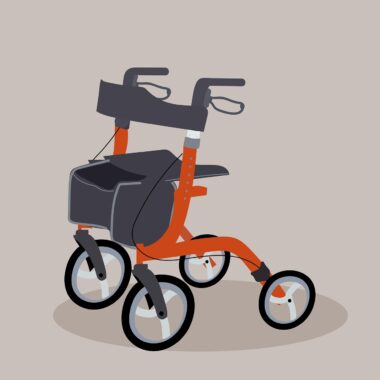
Several flexibility exercises are effective for stroke survivors, which can be modified based on individual abilities and constraints. These include static stretching, dynamic stretching, and proprioceptive neuromuscular facilitation (PNF). Static stretching involves slowly stretching a muscle group and holding the position for a specific duration, allowing muscles to lengthen and relax. Dynamic stretching incorporates movement through the use of controlled motions that increase heart rate while gently stretching muscles. PNF is often more advanced, using both stretching and contracting techniques to enhance muscle flexibility and strength. Utilizing a partner’s assistance during stretching can yield excellent results while ensuring safety measures are in place. It’s crucial for stroke survivors to focus on major muscle groups, promoting overall body flexibility that translates to improved daily function. Some examples include hamstring stretches, hip flexor stretches, and shoulder stretches. Implementation of these exercises should start slowly, increasing intensity as the individual progresses. In addition, various assistive devices can provide support during these exercises, making it easier for stroke survivors to perform tasks independently and effectively. By practicing these exercises, individuals can work toward regaining their independence and increasing their overall quality of life.
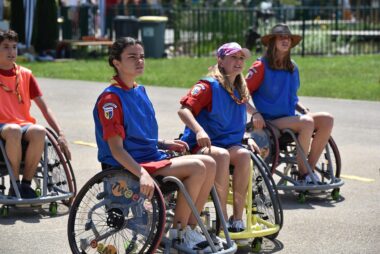
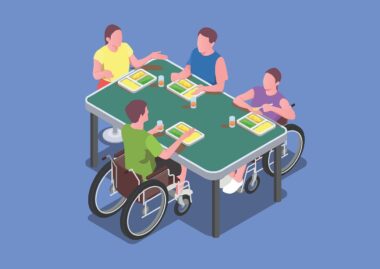
A supportive setting, incorporating caregivers or family members can enhance the rehabilitation experience through motivational encouragement. Group therapy may also increase a survivor’s comfort level while encouraging peer support and shared experiences. Having a safe and encouraging environment allows stroke survivors to express concerns and learn from one another’s journeys. Incorporating fun activities within flexibility exercises can also increase engagement and lead to better rehabilitation outcomes. Tools such as yoga mats and stability balls can enhance comfort and ease while performing routines. Integrating adaptive sports into therapy can further motivate individuals by providing enjoyable ways to practice flexibility and mobility. Dance therapy is another innovative approach, as it allows stroke survivors to express themselves creatively while working on flexibility. Thus, finding the balance between traditional therapy methods and innovative approaches can significantly affect recovery. Additionally, consistency is crucial: survivors should practice flexibility exercises regularly to experience the best results. Tracking progress can help keep them motivated, ensuring they stay committed to their rehabilitation journey. Adequately supported flexibility exercises lead to improved functionality and might even make a difference in long-term recovery.
Role of Therapists in Guiding Flexibility Training
Physical therapists play an indispensable role in guiding flexibility training for stroke survivors. Their expertise ensures that exercises are tailor-made and aligned with the patient’s unique needs. The professionals first evaluate the individual’s strength, flexibility, and mobility requirements before designing a personalized rehabilitation program. A systematic approach helps identify specific areas that require the most attention. This may include areas with muscle tightness, decreased range of motion, or functional limitations that affect daily activities. Through regular sessions, therapists can also monitor progress and adapt the program as necessary to enhance effectiveness. It’s vital that therapists communicate openly with patients, explaining the importance of each exercise in detail. When patients understand the rationale, they are more likely to engage actively in their rehabilitation. Additionally, therapists often provide tools and resources for home exercises, ensuring ongoing practice outside the therapy sessions. As stroke survivors progress, therapists may introduce more challenging exercises designed to continue improving flexibility. Incorporating a variety of activities keeps the regimen engaging and less monotonous, motivating individuals throughout their rehabilitation journey. Ultimately, skilled therapists help survivors gain confidence and independence through effective flexibility training.
Long-term adherence to flexibility exercises during rehabilitation can significantly affect recovery and quality of life. Establishing a routine to perform these exercises at home is paramount. This self-directed practice is where individuals can also explore various comfortable settings that promote relaxation and focus. Stroke survivors should aim to incorporate stretching and flexibility exercises into daily activities, such as while watching television or during breaks at work. Setting reminders can maintain consistency and promote continuous engagement in their rehabilitation journey. Furthermore, it is beneficial for survivors to reflect on their progress regularly, allowing them to appreciate their achievements. Monitoring improvements over time enhances motivation and reinforces commitment to ongoing practices. Engaging with family and friends while performing exercises can also provide encouragement. Creating supportive networks enables shared experiences and helps maintain a positive outlook on recovery. Transitioning gradual goals can lead to substantial achievements in flexibility and mobility, enhancing overall well-being. In conclusion, flexibility exercises play a critical role in rehabilitation for stroke survivors. By embracing flexibility training, survivors can foster independence, enhance mobility, and improve their quality of life, allowing them to participate more fully in daily activities. The time dedicated to flexibility can prove invaluable throughout their healing journey.