
Dealing with Detox Symptoms After Overeating During Holidays
The holiday season often leads to indulgences that can affect our well-being. Overeating various rich foods and sugary treats can result in uncomfortable detox symptoms as our body works to restore balance. Symptoms like fatigue, bloating, and irritability may arise, signaling it’s time to take action. To counter these symptoms effectively, it’s essential to embrace hydration, ensuring adequate water intake throughout the day. Drink herbal teas that encourage detoxification, as they may offer soothing benefits. Additionally, increase your intake of fruits and vegetables, focusing on those high in fiber like broccoli and apples. Prepare meals rich in nutrients, which can help restore your system. Regular small meals alleviate digestive stress. Incorporating digestive enzymes can also support this process, helping to break down food more efficiently while minimizing discomfort. Furthermore, consider engaging in gentle movement or exercise, as this promotes circulation and digestion. Walking or yoga practices can be especially beneficial during this time. Listen to your body and adjust your routine to nurture your health. Pay attention to rest, as good quality sleep enhances recovery from holiday-related eating habits.
Managing Emotional Well-Being
Dealing with emotional well-being is just as vital as physical detox after holiday indulgence. Often, overeating can be tied to emotional triggers, leading to a cycle of guilt and unhealthy habits. Addressing this aspect begins with self-compassion; rather than criticizing yourself, try to understand your cravings. Reflect on potential emotional roots behind excessive eating—stress, loneliness, or social pressures may contribute significantly. Journaling about your experiences provides clarity and decreases the emotional load. It can offer insight into your patterns, highlighting when you might be more tempted to overeat. Pair this with mindfulness practices, such as meditation or breathing exercises, to enhance your emotional resilience. These techniques encourage awareness during meal times and help avoid mindless eating. Consider joining a supportive group or talking to a friend about your journey. Sharing experiences creates a sense of community, often validating your feelings and experiences. Remember, it’s natural to have ups and downs in your relationship with food; working through these emotions is crucial for developing healthier habits moving forward. Celebrate small victories as you progress, and acknowledge that emotional balance plays a large role in overall health.
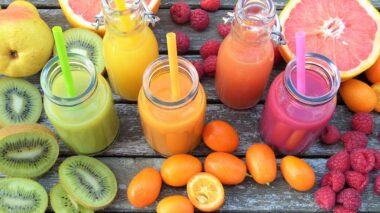
Including a variety of detox-focused foods in your diet can significantly support your journey toward better health post-holidays. Foods that are high in antioxidants, such as berries and green leafy vegetables, can combat oxidative stress caused by seasonal indulgences. Additionally, consider incorporating sources of healthy fats, like avocados and nuts, which promote satiety and provide essential nutrients. Lean proteins from sources like chicken, fish, or legumes are also crucial, helping to repair and build tissue while keeping hunger at bay. These foods will not only engage your taste buds but also nourish your body effectively. Smoothies can be an excellent way to pack multiple detox-friendly ingredients into one meal. Combine spinach, bananas, and almond milk in a blender for a delicious, nutrient-rich drink. Moreover, snacks are important; choose nuts, plain yogurt, or carrot sticks with hummus over processed options. Preparing simple meals that focus on whole, unprocessed ingredients allows your body to recover from rich holiday foods. Stay mindful while eating—chew slowly and appreciate flavors while listening to fullness cues from your body. Nourishing your body with the right foods accelerates the detox process and facilitates recovery.
Hydration and Its Role in Detoxing
Hydration plays a crucial role in effectively detoxing after holiday overeating. Water is essential in helping kidneys flush out toxins from the body. If dehydration occurs, your body struggles with waste elimination, leading to unwanted symptoms like fatigue and headaches. Aim to drink at least eight glasses of water daily as a baseline. Infuse your water with fruits or herbs for added flavor and benefits. Lemon, for instance, not only adds taste but also alkalizes your system, enhancing detoxification. Try to consume herbal teas throughout the day; options like dandelion root and peppermint are particularly good. They aid digestion and detoxification, making them ideal companions during this period. To monitor hydration, pay attention to the color of your urine; pale yellow indicates adequate hydration. It’s also best to minimize acidic beverages like coffee or sugary sodas, which may further contribute to dehydration. Instead, opt for herbal alternatives to keep your hydration levels in check. Incorporating hydrating foods, such as cucumbers and watermelon, complements your water intake. Prioritize hydration, and you’ll support your body more effectively during this post-holiday detox phase.
Regular physical activity aids significantly during the detox process, especially if you’ve overindulged during the holidays. Engaging in exercise promotes circulation and assists your body in metabolizing food more efficiently, ultimately leading to a better detox experience. Aim for at least 150 minutes of moderate aerobic activity weekly, supplemented with strength-training exercises twice a week. Activities like brisk walking, cycling, or swimming can help burn off excess calories while boosting mood levels. Think about adding yoga or Pilates into your routine as well, as these low-impact exercises enhance flexibility while reducing stress. Additionally, they encourage mindfulness and help one connect with their body, which is beneficial during recovery. Listening to your body is essential, however; rest days are equally important in allowing muscles time to recover. Rather than focusing solely on weight loss, shift your mentality to overall health and well-being. Establish a balanced relationship with exercising, find activities you genuinely enjoy, and your motivation to stay active will flourish. Balance is key. Incorporating regular movement leads to feeling rejuvenated while supporting your physical detox and emotional healing journey.
Seeking Professional Guidance
If you find it challenging to navigate your detox journey after the holidays, seeking professional guidance from a nutritionist or dietitian can be beneficial. These professionals bring insights and personalized strategies to help you achieve your goals effectively. They can provide tailored meal plans that are nutrient-dense while addressing any individual concerns you might have. Furthermore, speaking with a counselor specializing in food-related issues may aid in coping with emotional aspects tied to eating habits. Engaging these experts can clarify the confusion surrounding detox diets. They can guide you in detoxifying safely and healthily, ensuring the process doesn’t lead to deprivation or excessive restriction. Remember that everyone’s body responds differently; a plan that works for one person may not suit another. Therefore, customized support can lead to more sustainable changes. Collaborating with professionals helps you set realistic and achievable goals, making the detox journey less daunting. Moreover, they can support you in identifying any underlying health issues that may need addressing. Ultimately, don’t hesitate to reach out for help. Investing in professional guidance can boost your confidence and success in achieving lasting health improvements.
As you navigate through detox symptoms post-holidays, maintaining a positive mindset is essential. Celebrate small successes and remind yourself that healing takes time; patience is crucial. Emotional resilience aids in overcoming setbacks, which are a natural part of any journey. Consider defining clear, attainable goals that contribute to your overall health. Track your progress, whether through journaling or using apps for nutrition and exercise, which can yield valuable insights. Acknowledge that feeling fatigued for a few days is often part of the detox process. Self-care practices such as deep breathing exercises and rest can support your body and mind. Develop a support network, whether from friends, family, or online communities, creating a sense of camaraderie during your detox journey. Share experiences, tips, and resources with others; connecting with like-minded individuals fosters inspiration and encouragement. On occasions when temptations arise, try to pivot your focus on healthy habits rather than falling back into old patterns. Lasting change happens gradually; embrace this journey with enthusiasm and determination, and remember that every step takes you closer to achieving a healthier lifestyle in a way that is both enjoyable and sustainable.
Conclusion
In conclusion, detoxing after overeating during the holiday season can indeed be a challenging process, but one that can lead to significant improvement in your overall health and well-being. By emphasizing hydration, physical activity, emotional awareness, and seeking professional help when necessary, you pave the way for a successful recovery. Approach your detox journey as a holistic experience, encompassing both mind and body. Stay committed to incorporating wholesome foods into your diet, cultivate a positive mindset, and connect with supportive communities along the way. Detox symptoms may initially seem daunting, but as you listen to your body’s needs and nourish yourself adequately, these symptoms will fade. Remember that each person’s journey is unique, and the key is to find what resonates most with you in your pursuit of health. Celebrate your achievements, however small, and maintain a focus on balance as you progress. Consider this an opportunity for growth rather than a punishment to endure. With patience, self-compassion, and determination, you will overcome the aftermath of holiday indulgences and emerge healthier and happier.