
Creating Peer Mentoring Programs for Mental Wellness in Fitness
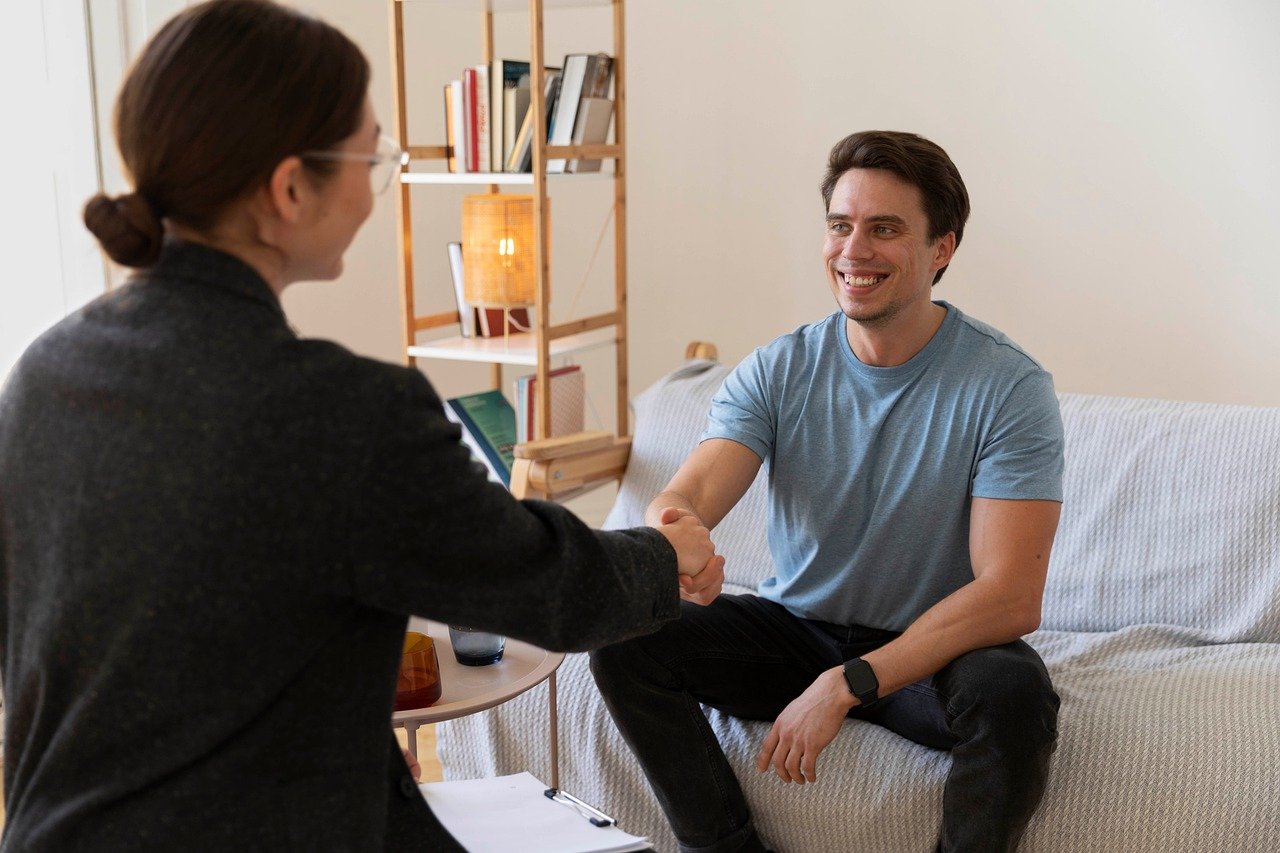
Creating peer mentoring programs in fitness environments can significantly enhance mental wellness. These programs foster supportive relationships among participants, encouraging open discussions about mental health challenges. When individuals share their experiences in a safe space, it can alleviate feelings of isolation and increase the sense of community. Mentors can provide guidance, share coping strategies, and offer empathy, which may lead to improved psychological well-being. Fitness centers can establish these programs by training mentors to create a welcoming atmosphere. The training should encompass not only fitness knowledge but also tools for promoting mental health. In turn, this creates a well-rounded mentoring experience that benefits all participants. Moreover, participants often feel more accountable to their peers, which motivates them to remain committed to their health and wellness goals. Mentoring can be structured through regular check-ins or gym sessions, where participants can support one another. The end result is a supportive fitness community that acknowledges both physical and emotional health. Engaging in such a program is a step towards fostering inclusive environments that prioritize mental wellness alongside physical fitness goals.
Peer mentoring programs can be tailored to meet the diverse needs of fitness participants. This customization is essential for enhancing engagement among members and ensuring everyone feels included. Having a variety of mentorship styles tailored to personality types can improve the quality of interactions. For example, group sessions can benefit those who thrive in community settings, whereas one-on-one mentoring might suit individuals seeking personal guidance. Also, programs can incorporate different fitness disciplines, such as yoga or strength training, allowing mentors to relate to their mentees’ specific interests. Additionally, including discussions around nutrition, stress management, and overall wellness promotes a more comprehensive approach to health. Maintaining a flexible structure will encourage participants to remain active and dedicated. Furthermore, these programs allow for the inclusion of regular feedback and evaluation periods to continuously improve their offerings. Gathering insights from both mentors and mentees ensures that programs evolve based on participant needs. Overall, a personalized approach to peer mentoring supports mental health while encouraging consistent fitness participation. Ultimately, creating programs that adapt to various needs contributes to a more emotionally healthy and physically active community.
The Role of Training and Resources
Effective peer mentoring programs hinge on proper training and access to resources. Mentors should receive comprehensive training in mental health awareness, listening skills, and conflict resolution. This equips them to respond compassionately to the challenges mentees may face. Training workshops could include guest speakers, webinars, and practical role-playing to simulate real-life scenarios. By providing mentors with these essential skills, they will be more equipped to handle sensitive conversations, aiding in the overall effectiveness of the program. Resources like educational pamphlets or access to mental health professionals can supplement the training process, enriching the mentor-mentee relationship. Furthermore, ongoing training sessions should be available to ensure mentors stay up-to-date with current best practices in promoting mental wellness in fitness. Such a commitment to continual learning helps participants feel valued and understood. Additionally, establishing a peer support network among mentors can foster connections, allowing them to share experiences and strategies. This collaboration not only enhances their effectiveness but also reinforces a team approach to mental health support that extends beyond individual fitness journeys.
The benefits of peer mentoring go beyond individual growth; they create a culture of support and openness within fitness communities. When members discuss their mental health journeys without fear of stigma, it encourages others to do the same. This openness leads to improved relationships and builds community trust. Participants are more likely to support one another in their wellness journeys, fostering an environment where everyone feels comfortable sharing their struggles. Group activities that emphasize the importance of mental health can drive home the point that fitness is not solely about physical appearance but overall well-being. Programs that host workshops addressing mental health not only educate gym members but also attract new participants interested in that aspect of fitness. Communities that prioritize mental wellness enhance their appeal and inclusivity. Peer mentoring can also extend into social activities outside the gym, helping members bond and engage in life beyond workouts. Thus, the positive impacts fostered by peer programs create a ripple effect that benefits the community at large, enriching the overall experience for everyone involved.
Overcoming Challenges and Stigma
One significant roadblock in creating peer mentoring programs is the stigma surrounding mental health issues. Participants may fear judgment or mockery when discussing their experiences, which can deter them from joining a program. To combat this, it is crucial to promote awareness and educate participants about the importance of mental wellness. Workshops can provide insight into common mental health struggles and ways to address them, contributing to a culture of understanding and support. Moreover, testimonials from participants can help illustrate the effectiveness of peer mentoring, showcasing personal growth and transformation. Marketing materials should emphasize a non-judgmental atmosphere, making mental health discussions a regular part of the fitness culture. Facilitators must also encourage and promote these conversations in structured and casual settings. Developing a supportive community is vital in reducing stigma and encouraging participation. Sustainable programs must actively promote mental health and advocate that everyone is deserving of help and support. Together, these strategies can help minimize barriers, enabling individuals to embrace peer mentoring programs as a valuable component of their fitness journey.
Additionally, evaluating the success of peer mentoring programs is vital in promoting their longevity and efficacy. Regular assessments should be conducted to gauge participant satisfaction, mentor effectiveness, and overall impact on mental wellness. Surveys, feedback forms, and focus groups can provide valuable insights into participants’ experiences. By analyzing this data, fitness organizations can identify areas for improvement, ensuring that programs meet the evolving needs of their communities. Metrics such as retention rates, personal testimonials, and changes in participants’ mental health can highlight the program’s true effectiveness. This continuous feedback loop not only improves current programming but also attracts new participants who value the supportive community. Developing partnerships with local mental health organizations can maximize benefits and create referral networks for external support. Leveraging these connections can diversify the range of resources offered to participants, enhancing their overall experience. Continuous evolution, based on participant input, ensures the program remains relevant. Through strategic evaluations and partnerships, peer mentoring programs can strengthen their impact on mental health and resilience within the fitness community.
Conclusion and Forward Momentum
In conclusion, creating peer mentoring programs within fitness environments is a powerful step towards promoting mental wellness. Such initiatives help foster supportive communities and reduce stigma around mental health challenges. By targeting various needs through tailored approaches, these programs can engage diverse fitness participants while emphasizing holistic wellness. Proper training equips mentors with the tools they need to navigate sensitive discussions effectively. The ripple effect of creating an open and trusting environment enhances relationships and encourages others to engage in their own health journeys. Furthermore, ongoing evaluations ensure programs can adapt to participant needs while promoting continuous improvement. Advocacy and education around mental health play crucial roles in dismantling stigmas. In establishing partnerships, fitness organizations can maintain a network of resources for support beyond mentoring. As more communities adopt such programs, the movement for a healthier society can gain momentum. With a focus on mental wellness, peer mentoring can serve as an exemplary model for modern fitness culture, promoting overall health and well-being for all. Empowering individuals to support one another in their journeys leads to lasting, meaningful change in fitness and mental health sectors alike.
Creating peer mentoring programs in fitness environments can significantly enhance mental wellness. These programs foster supportive relationships among participants, encouraging open discussions about mental health challenges. When individuals share their experiences in a safe space, it can alleviate feelings of isolation and increase the sense of community. Mentors can provide guidance, share coping strategies, and offer empathy, which may lead to improved psychological well-being. Fitness centers can establish these programs by training mentors to create a welcoming atmosphere. The training should encompass not only fitness knowledge but also tools for promoting mental health. In turn, this creates a well-rounded mentoring experience that benefits all participants. Moreover, participants often feel more accountable to their peers, which motivates them to remain committed to their health and wellness goals. Mentoring can be structured through regular check-ins or gym sessions, where participants can support one another. The end result is a supportive fitness community that acknowledges both physical and emotional health. Engaging in such a program is a step towards fostering inclusive environments that prioritize mental wellness alongside physical fitness goals.