
Avoiding Burnout: Pilates for Mental Clarity and Calmness
In today’s fast-paced world, anxiety and depression have become common challenges. They affect millions of people globally, often leading to burnout. One effective way to tackle these issues is through Pilates, a mind-body exercise focusing primarily on enhancing physical strength and mental clarity. Pilates integrates body movement with breath control, helping practitioners develop a greater sense of awareness, both physically and mentally. The method encourages relaxation and focus, creating beneficial outcomes for individuals suffering from anxiety and depression. Many studies have indicated the positive effects of Pilates on mental health, proving its capability to alleviate stress and improve emotional stability. Pilates provides a structured routine allowing participants to engage their deep core muscles while promoting relaxation. This connection between movement and breath fosters a calming effect, which can effectively reduce anxiety levels. Moreover, Pilates also helps individuals gain confidence through physical improvement, thereby combating feelings of hopelessness too common in depression. For those seeking a holistic approach to mental health, incorporating Pilates into their routine offers a fulfilling and reassuring option without the high impact associated with other forms of fitness.
The Benefits of Pilates for Mental Health
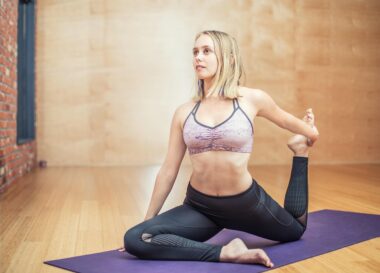
Engaging in Pilates not only benefits physical health but extends its advantages significantly to mental well-being. The structured movements of Pilates enhance mindfulness, encouraging individuals to focus on their bodies and breathe. This mindful practice diverts attention from daily stressors and worries, helping to cultivate a state of calmness. It can help relieve symptoms commonly associated with anxiety, such as racing thoughts and excessive worry. In addition to mindfulness, Pilates promotes physical well-being, which, in turn, influences mental health positively. Individuals often report enhanced mood and reduced stress levels after consistent practice. The physical challenges presented by Pilates allow for a significant release of endorphins, also known as the ‘feel-good’ hormones. Increased physical activity associated with Pilates can lead to improved self-esteem and body image, helping alleviate feelings of inadequacy that often accompany depression and anxiety. Regular practice can help develop resilience, making it easier to navigate through stressful situations. By learning to control their breath and improve movement, practitioners can discover greater mental control, ultimately reducing incidences of anxiety and fostering long-term mental clarity.
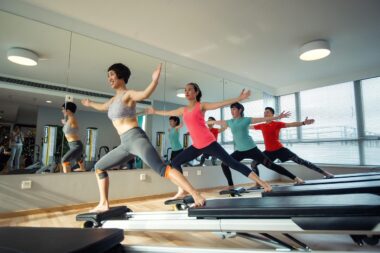
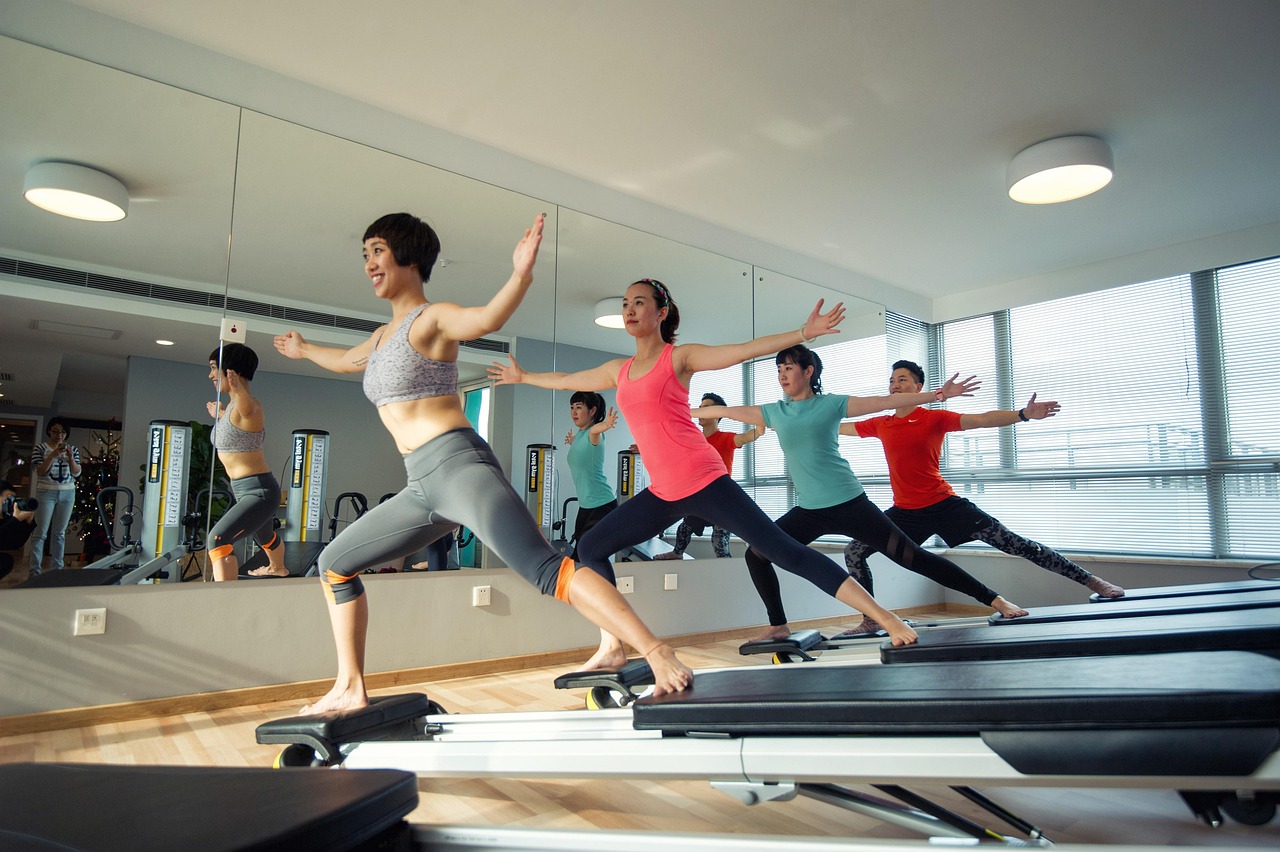
Another critical aspect of practicing Pilates is its community and support system. When individuals participate in classes, they often work with instructors and fellow practitioners who create a nurturing environment. This atmosphere can significantly enhance mental well-being, providing a space for social connection, thereby combating isolation associated with depression. Sharing experiences within a supportive community helps individuals recognize they are not alone in their struggles. The camaraderie formed within Pilates classes often yields motivation and encouragement, fostering a sense of belonging. Such social interactions are essential for mental health recovery, allowing practitioners to feel valued and understood. Furthermore, Pilates instructors are trained to provide personalized guidance, ensuring proper techniques and modifications that suit individual needs. This attention to detail enhances safety and effectiveness, making every participant feel secure in their practice. Ultimately, the combination of community support, physical activity, and improved mindfulness renders Pilates an effective intervention for alleviating symptoms of anxiety and depression. As people build their physical capabilities, they also cultivate mental resilience, empowering them to manage stressful life situations better.
Creating a Personalized Pilates Routine
Developing a personalized Pilates routine tailored to individual needs plays a vital role in achieving mental clarity and calmness. Each individual experiences anxiety and depression differently, necessitating unique approaches to Pilates practice. Beginner practitioners might start with basic exercises that emphasize core strength and stability, helping to build a solid foundation for mental and physical confidence. Gradually increasing the intensity and complexity of the routine can keep participants engaged and motivated, enhancing their commitment to long-term practice. Incorporating breathing techniques into routines is essential for reducing anxiety. Controlled breath enhances relaxation and calmness, allowing individuals to focus their thoughts clearly. Additionally, keeping a journal to track personal progress promotes reflection and self-awareness, critical elements for mental health recovery. As practitioners observe improvements in their physical capabilities, they can celebrate small victories, cultivating a positive mindset. Collaborating with qualified Pilates instructors can facilitate personalized adjustments, ensuring every session aligns with personal goals and challenges. This tailored methodology ensures that individuals derive the maximum mental health benefits from their Pilates practice, ultimately setting them on the path toward recovery and emotional resilience.
Active participation in Pilates significantly contributes to stress relief. The emphasis on controlled, mindful movements allows practitioners to release physical tension and mental stress effectively. By focusing on their body and breath, individuals can disconnect from external pressures, creating a nurturing internal environment. Regular practice serves as an effective outlet for stress and anxiety, engaging individuals in a proactive approach to mental health. Furthermore, Pilates enhances flexibility and balance, both physically and mentally. Improved physical balance leads to enhanced stability in life, fostering a feeling of control and security. This sense of stability positively influences emotional well-being, demonstrating the intricate connection between mind and body. As practitioners progress, they may find it easier to implement these learned principles of balance and control in daily life. Engaging with the Pilates community enhances motivation, helping individuals stay committed to routines even during challenging times. Supportive environments encourage practitioners to continue their practice despite setbacks or obstacles, refining their resilience. Consequently, Pilates becomes a holistic tool for managing anxiety and depression, providing both a physical and emotional refuge for individuals dealing with life’s stresses.
Incorporating Mindfulness into Pilates
Integrating mindfulness into Pilates heightens its impact on mental health. The flow of movements allows for a unique meditative experience, enabling individuals to focus solely on their bodies in the present moment. This emphasis on presence and awareness helps combat racing thoughts, a common symptom of anxiety. As practitioners engage in mindful movements, they develop a heightened sense of body awareness, facilitating better mental clarity. Connecting with their bodies aids individuals in recognizing and processing emotions more effectively. This awareness empowers them to confront anxiety and depression head-on, reducing feelings of helplessness. Mindfulness practices can be further enhanced by using visualization techniques during Pilates. Practitioners can visualize positive outcomes or places of comfort, leading to greater emotional ease and a sense of serenity. Additionally, pairing Pilates with meditation can introduce an even deeper state of relaxation. While practicing, individuals can focus on their breath, synchronizing movement with inhalation and exhalation. This synchrony enhances the calming effect of the exercises. Through mindful Pilates routines, individuals equip themselves with coping strategies that extend beyond the mat, becoming more adept at navigating life’s challenges.
In conclusion, Pilates emerges as a powerful tool for managing anxiety and depression. The multifaceted benefits range from physical enhancements to profound mental clarity and calmness. Individuals can alleviate stress through mindful movement, facilitating a deep connection between body and mind. The community aspect of Pilates practice further enriches the experience, providing essential support that fosters resilience against mental health challenges. Personalized routines ensure that every individual can engage effectively in a way that best suits their unique needs. Furthermore, integrating mindfulness elements into Pilates amplifies its advantages, creating a meditative environment that combats the detrimental effects of anxiety. As practitioners implement these insights into their daily routines, they experience growth both physically and mentally. Ultimately, the practice cultivates an empowering mindset, equipping individuals with the necessary tools to tackle the challenges of life. By incorporating Pilates into mental health strategies, individuals gain an invaluable resource that enhances their emotional well-being. As awareness of mental health grows, embracing practices like Pilates offers a constructive avenue toward achieving balance, clarity, and overall improved quality of life.