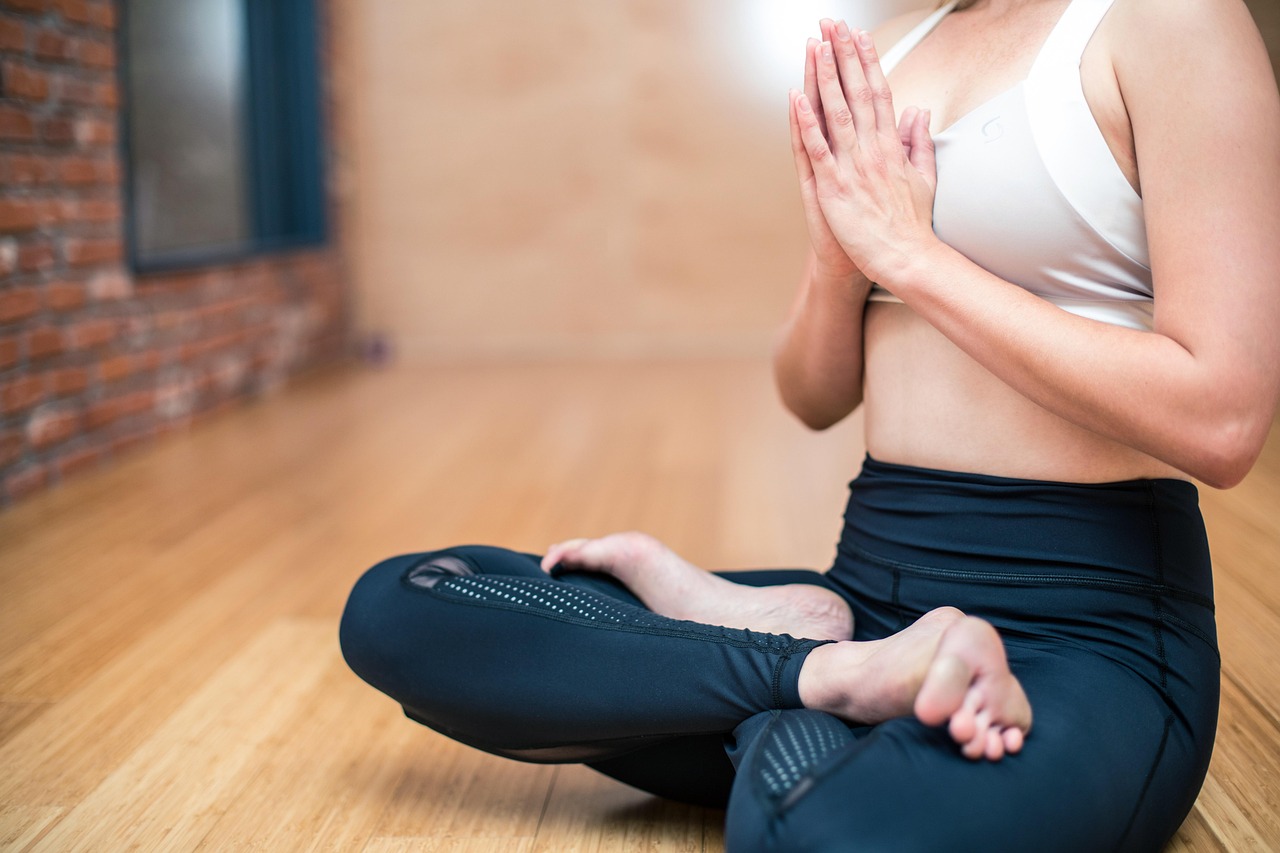

Training the Athletic Mind: Integrating Mindfulness and Visualization Workouts
Mindfulness is an essential tool in enhancing athletic visualization skills, facilitating a deeper connection between the athlete and their performance. Athletes often focus solely on physical training, neglecting the powerful impact of the mental aspect. Engaging in mindfulness practices helps athletes focus better, making their visualizations more effective. Visualization techniques are enhanced through mindfulness because athletes can develop greater awareness of their thoughts and emotions. When athletes practice mindfulness, they learn to stay present, releasing distractions and anxieties related to performance. This presence allows deeper visualizations during training sessions. Moreover, combining mindfulness with visualization boosts self-confidence. When athletes can vividly imagine their successes, they cultivate a stronger belief in their capabilities. Regular mindfulness practice invites athletes to reflect on their goals and visualize the steps necessary to achieve them. Resources like guided meditation apps and breathing exercises can be integrated into their routines. Gradually, athletes enhance their mental clarity, leading to improved performance. Incorporating these practices into daily training prepares athletes for competition by establishing a strong mental foundation that supports their physical efforts.
Understanding Visualization in Sports
Visualization is a crucial skill that athletes utilize to enhance performance and cope with pressure. This technique involves creating mental images of successful performance, whether it’s executing a perfect jump or crossing the finish line successfully. Research shows that mental rehearsals can significantly improve physical performance metrics. Athletes can visualize every detail of their actions, which translates into improved muscle memory and overall efficiency when performing the actual movements. The brain processes mental images similarly to real actions, strengthening neural pathways. To maximize effectiveness, athletes should accompany visualizations with a mindful approach, focusing on the emotions and sensations associated with success. This creates a powerful feedback loop, reinforcing positive outcomes in future attempts. Protective strategies against adverse effects of competition-related stress are also developed through visualization techniques. By repeatedly picturing success, athletes can build resilience against anxiety. Integration of mindfulness helps ground these visualizations, ensuring that athletes remain calm under pressure. Overall, developing strong visualization skills is complementary to physical training. It allows athletes to prepare mentally, creating a holistic approach to sports performance improvement.
Mindfulness practices include meditation, deep breathing, and self-reflection, all contributing to enhanced focus and awareness. By incorporating mindfulness into athletes’ routines, they can improve their ability to visualize. Through deep breathing exercises, they can clear their minds, reducing distractions during visualizations. Self-reflection allows athletes to pinpoint specific areas for improvement while encouraging positive affirmations. By fostering a growth mindset, athletes become more receptive to visualizing their desired outcomes. Furthermore, maintaining a consistent routine amplifies the benefits of mindfulness and visualization. Athletes should dedicate time daily specifically for these practices, allowing them to cultivate this powerful mind-body connection. This connection enhances performance as athletes develop a clearer, more vivid mental representation of their skills. As they progress, athletes can gradually increase the complexity of their visualizations to match their evolving capabilities. Engaging in mindfulness not only prepares athletes for upcoming competitions but also instills a sense of control. By mastering their mental state, athletes can navigate the challenges of competition more effectively. With time and dedication, mindfulness and visualization synergistically enhance athletic performance for individuals at all levels.
Developing a Mindful Visualization Practice
To develop an effective mindful visualization practice, athletes can follow a structured approach. This approach begins with setting specific performance goals, identifying key areas to visualize. Practicing mindfulness through meditation before visualization sessions helps to center the mind. Athletes can close their eyes and take deep breaths, allowing thoughts to settle. Once grounded, they can imagine themselves performing the skill in a specific scenario, focusing on every detail from the environment to their physical sensations. These sessions should always include positive affirmations during the visualization, reinforcing confidence and self-belief. Visualization should be performed consistently, ideally around the same time daily, facilitating habit formation. Journaling after each session can help athletes reflect on their experiences, noting any insights or feelings that arose. This reflection deepens the understanding of their visualized situations. Tracking progress in terms of both physical and mental performance is essential. By monitoring how visualization influences outcomes, athletes can see the tangible benefits of their mindful practices. Over time, this cycle of mindful awareness, detailed visualization, reflection, and adjustment fosters growth in athletic capabilities.
The effects of integrating mindfulness and visualization extend beyond athletic performance; they impact overall well-being. Engaging in these practices helps manage stress, anxiety, and emotional regulation. The ability to visualize a successful sporting event aids in building resilience against the pressures associated with competition. Athletes often face intense scrutiny and expectation, making mental conditioning essential. Mindfulness teaches athletes to observe their thoughts non-judgmentally, promoting mental clarity. As they learn to sift through distractions, athletes equip themselves to focus solely on their performance. This ability to disengage from negative thoughts can make all the difference in high-pressure situations. Furthermore, mindfulness practices foster a sense of gratitude and appreciation for the process of training itself. Acknowledging each small victory during visualization paves the way for sustained motivation. Additionally, athletes who consistently practice mindfulness and visualization often report improved relationships with coaches and teammates. The open communication nurtured in these practices creates supportive environments conducive to growth. Thus, these skills reinforce not only individual performance but also collaborative dynamics in team sports.
Mindfulness Techniques for Athletes
There are various mindfulness techniques tailored specifically for athletes. These techniques are designed to enhance focus and presence. First, breathing exercises can serve as a foundation for mindfulness; athletes can practice deep diaphragmatic breathing to promote relaxation before, during, or after training. Secondly, body scanning enables athletes to connect with their physical sensations, enhancing body awareness necessary for performance. Additionally, utilizing visual cues such as colored markers can enhance visualizations, making mental imagery more striking and memorable. Guided imagery techniques can additionally offer structure, as listening to recorded prompts guides an athlete through the visualization process. Practicing visualization while engaging in physical activity can amplify the effects; for example, athletes can visualize their strides while jogging or swimming. Mindfulness journaling can further cement experiences and insights gained during progress. Incorporating these techniques daily helps athletes cultivate a routine, enhancing their intrinsic motivation. Education on the psychological aspects of performance can also empower athletes in their endeavors. As they deepen their understanding, they’ll better recognize how mindfulness and visualization contribute to overall growth.
The pathway to enhanced athletic performance through mindfulness and visualization is a gradual journey of self-discovery. Athletes must be patient as they practice integrating these techniques into their routines. Progress will unfold differently for each individual; some may notice immediate effects, while others may require more time to fully grasp the benefits. However, commitment yields lasting rewards, evidenced by a more profound connection with their sport. Regular reflection enables athletes to adapt their strategies, refining techniques to suit their specific needs. Furthermore, sharing experiences with fellow athletes can create a supportive community, fostering motivation and accountability. Workshops or group sessions that focus on mindfulness and visualization are excellent venues for highlighting individual journeys. As athletes develop their mental skills and share with peers, they enrich their own practices. The interplay between mindfulness, visualization, and athletic training cultivates an environment conducive to sustained improvement. As athletes enter competitions with greater mental clarity, the synergy between physical strength and mental focus can elevate their performance to new heights. Embracing this holistic approach ultimately leads to long-term success in sports and overall well-being.
Mindfulness is an essential tool in enhancing athletic visualization skills, facilitating a deeper connection between the athlete and their performance. Athletes often focus solely on physical training, neglecting the powerful impact of the mental aspect. Engaging in mindfulness practices helps athletes focus better, making their visualizations more effective. Visualization techniques are enhanced through mindfulness because athletes can develop greater awareness of their thoughts and emotions. When athletes practice mindfulness, they learn to stay present, releasing distractions and anxieties related to performance. This presence allows deeper visualizations during training sessions. Moreover, combining mindfulness with visualization boosts self-confidence. When athletes can vividly imagine their successes, they cultivate a stronger belief in their capabilities. Regular mindfulness practice invites athletes to reflect on their goals and visualize the steps necessary to achieve them. Resources like guided meditation apps and breathing exercises can be integrated into their routines. Gradually, athletes enhance their mental clarity, leading to improved performance. Incorporating these practices into daily training prepares athletes for competition by establishing a strong mental foundation that supports their physical efforts.