
Signs to Stop Exercise During Pregnancy Due to High Blood Pressure Concerns
During pregnancy, maintaining fitness can be very beneficial, but it’s crucial to monitor blood pressure. If you notice symptoms like headaches, especially severe and persistent ones, it could indicate high blood pressure necessitating a pause in your workout routine. Maintaining a regular exercise schedule is essential, but any unusual discomfort should warrant immediate attention. It’s also vital to be aware of visual disturbances such as blurry vision or seeing spots. These symptoms can indicate elevated blood pressure levels and should not be dismissed lightly. If you experience chest pain or significant shortness of breath during exercise, these are critical signs that you must stop immediately. Overexertion can lead to further complications, so listen to your body. Additionally, if swelling in your feet or hands increases significantly, this could suggest high blood pressure. It’s common to experience some swelling during pregnancy, but rapid changes or excessive swelling should be addressed promptly. Always consult with a healthcare professional if these symptoms arise to ensure you and your baby remain healthy.
Furthermore, if you feel faint or dizzy while exercising, stop what you’re doing. Dizziness can result from a sudden drop in blood pressure, which can be dangerous for both you and your baby. Such symptoms highlight the need to prioritize safety over adherence to a workout schedule. Pregnant women should stay hydrated and monitor fluid intake, particularly if engaged in intense exercise. Dehydration may also contribute to low blood pressure or dizziness. A sudden racing heartbeat can occur during physical activity but may also indicate a problem if it occurs unexpectedly or severely. In such cases, cease exercising and consult with a healthcare provider. Keeping track of your heart rate is recommended to monitor your body’s response during workouts. When exercising, pay close attention to your body signals. If you feel overly fatigued or unwell, you might need more immediate medical advice. It’s crucial to have an appropriate exercise plan, tailor-fitted to your body’s needs during pregnancy. Regular check-ups with your doctor can also help develop this plan effectively.
Resting Heart Rate and Exercise
Your resting heart rate can change during pregnancy, so monitoring it regularly is essential. A significant increase, especially if accompanied by other alarming symptoms, should prompt you to terminate exercise immediately. Resting heart rates can be affected by hydration levels, stress, and overall health. Consistent high resting heart rates can indicate underlying issues that require professional attention. It’s also wise to maintain open communication with your healthcare provider about your exercise routine and any potential concerns. Always prioritize your and your baby’s health over sticking rigidly to your exercise program. Additionally, you should inform your physician if you have a history of high blood pressure prior to pregnancy, as this can complicate your exercise regimen. High-risk pregnancies need special attention, and adjustments may be necessary to your workout routine based on your medical history. Ensure that your exertion levels remain manageable; proper pacing during workouts is essential. Monitor for changes during your regular exercises; if discomfort arises, ceasing the workout should take precedence immediately. Always keep your healthcare provider informed of any changes you experience.
Another key factor to consider while exercising during pregnancy is your diet. Nutrition plays a vital role in regulating blood pressure. Consuming a balanced diet rich in fruits, vegetables, and whole grains contributes positively to overall health. Limiting processed foods and excessive salt can help manage blood pressure effectively. It’s essential to tailor your dietary choices around exercise, ensuring that your body has adequate energy and nutrients to support both you and your baby. Consider adding foods rich in potassium, such as bananas and sweet potatoes, which can help manage blood pressure levels. Always consult with a nutritionist or healthcare provider about dietary changes, especially during pregnancy. If you experience cravings for unhealthy foods, it’s essential to find healthy alternatives that still satisfy those cravings without compromising your health. Additionally, maintaining a moderate body weight during pregnancy can assist in managing blood pressure. Weight management is often overlooked but remains integral to a healthier pregnancy. Keep in mind that each pregnancy is unique, and what works for one individual may not work for another.
Managing Stress Levels
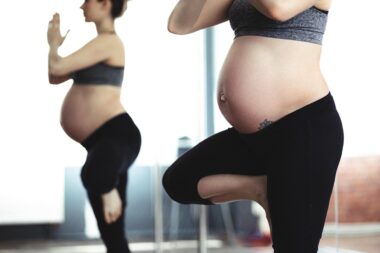
Stress management is another crucial element of your fitness routine during pregnancy. High levels of stress can contribute to elevated blood pressure, making it even more critical to find effective coping mechanisms. Engaging in activities that promote relaxation, such as yoga or meditation, can significantly improve your mental health and consequently your physical health. Incorporating mindfulness practices into your daily routine can help lower stress levels effectively and promote a more peaceful state of mind. Ask your healthcare provider for safe stress reduction techniques especially tailored for pregnant women. Sharing your thoughts with friends and family can provide emotional support, reducing stress. Establishing a support network is essential during this time, as it helps you feel connected and understood. You should never underestimate the importance of regular social interactions in maintaining a positive outlook on fitness and wellness. It’s vital to set achievable fitness goals without high pressure, adjusting as necessary. Listen to your body and allow for rest days without guilt. These practices can contribute significantly to healthier blood pressure management and an overall smoother pregnancy experience.
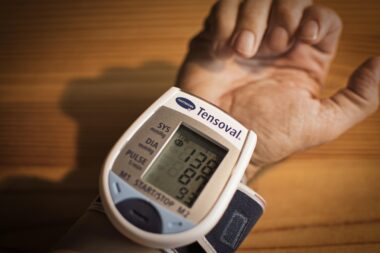
The importance of monitoring your health during pregnancy cannot be overstated. Regular communication with healthcare providers about any exercise-related concerns ensures you remain informed and safe. Engage in discussions regarding your blood pressure and any symptoms you may experience. Your healthcare provider may suggest monitoring your blood pressure at home, allowing for proactive intervention if necessary. Having a reliable blood pressure monitor at home can empower you to take control of your health. Regular self-assessment should be prioritized to track changes that require medical attention. Document your findings to share them easily during medical check-ups. Additionally, consider enrolling in prenatal classes that focus on safe exercise routines tailored to your current condition. These classes can provide valuable insights into effective exercises while managing high blood pressure concerns. Staying educated and informed can alleviate anxiety associated with exercise during pregnancy. Coupling education with physical fitness will equip you with necessary tools for a healthier pregnancy journey. Always remember to focus on what your body can handle and avoid overexerting yourself at any time.
Conclusion: Prioritizing Health During Pregnancy
In summary, recognizing the signs to stop exercising due to high blood pressure during pregnancy is vital for the health of both you and your baby. Always prioritize your health and listen carefully to your body through the various stages of your pregnancy. The symptoms discussed earlier should trigger immediate action rather than a delay. Regular check-ins with your healthcare provider are essential to managing your fitness plan effectively. If you notice problems, don’t hesitate to stop your physical activities to seek medical advice. Exercise can greatly contribute to a quality pregnancy experience but should be approached cautiously. It’s essential to adapt your routines as necessary, focusing on gentle and supportive movements rather than rigorous workouts. Embrace your fitness journey with care, ensuring you maintain an appropriate and healthy level of activity. Above all, remember that the ultimate goal is the well-being of both you and your baby during this significant time. Stay informed, prioritize safety, consult health professionals, and enjoy this amazing adventure of motherhood.
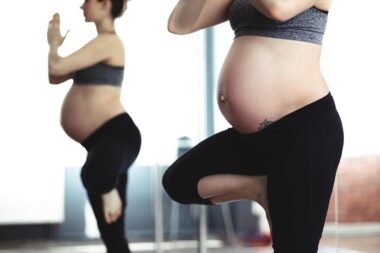
Staying informed about your body’s needs during pregnancy is paramount. Engaging in safe exercises promotes not just physical but mental well-being. Whether you choose pool workouts or gentle yoga, finding what brings you joy is essential. Exercise doesn’t have to be taxing to be effective. Strive for balance, and don’t engage in workouts that feel uncomfortable or overly strenuous. Each pregnancy journey is unique, and listening to your body is key to making appropriate adjustments along the way. Celebrate your body’s abilities while respecting its limits. Invite friends or family to join you, turning exercise into a fun social activity instead of a chore. Creating a supportive atmosphere can enhance your motivation and commitment to maintaining fitness. Remember that this phase is about nurturing, so ease into any new routines slowly and safely. Prioritize wholesome nutrition alongside exercise to create an equitable lifestyle during pregnancy. By acknowledging the signs and following recommended guidelines, you can effectively manage high blood pressure concerns while remaining active. Your health is essential for you and your baby’s future.