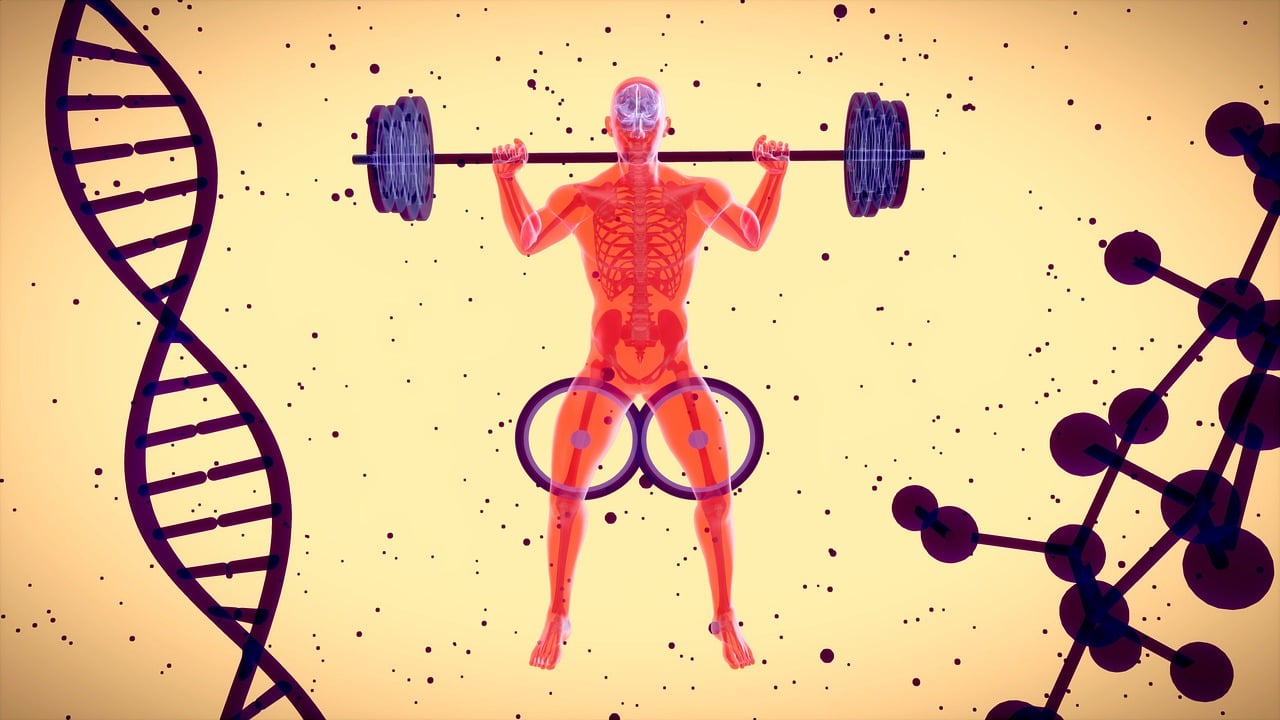

Neuromuscular Implications of Overtraining Syndrome
Overtraining syndrome (OTS) is a condition resulting from excessive training without adequate recovery. It involves a deterioration in performance alongside psychological and physiological disruptions. Among various factors, neuromuscular physiology plays a significant role in understanding OTS. During periods of intense exercise, a balance between training stress and recovery is crucial for muscle adaptation. When this balance is disrupted, it leads to neuromuscular impairments, which can manifest as strength loss and decreased motor performance. Key physiological responses include altered muscle fiber recruitment and impaired muscle contraction mechanisms. Chronic high-intensity training raises levels of stress hormones such as cortisol, impairing the neuromuscular system’s ability to recover. Muscle fatigue and soreness are common indicators of OTS, hence proper assessment methods should be implemented. Additionally, incorporating appropriate strategies like periodization and adequate nutrition can help mitigate these risks. Athletes should be vigilant regarding the signs of overtraining and seek timely intervention to prevent lasting damage. Understanding the neuromuscular implications ensures better management of training loads and optimal performance outcomes.
The neuromuscular system consists of motor neurons and muscle fibers, which are critical for effective muscle contraction. The functioning of this system is essential for maintaining optimal performance in physical activities. Neurotransmitters, such as acetylcholine, facilitate the communication between neurons and muscle fibers, thus influencing muscle activation. In OTS, this communication is adversely affected, leading to delayed recovery and higher susceptibility to injury. During overtraining, the alterations in neurotransmitter levels can cause reduced neuromuscular transmission efficiency, which ultimately contributes to fatigue. Furthermore, the relationship between neural and muscular adaptations is complex. When training loads exceed the neuromuscular system’s capacity, it inhibits progress, leading to physical and mental burnout. This phenomenon is often accompanied by an increase in perceived exertion, which can discourage athletes from achieving training goals. Muscle fatigue in OTS not only impacts performance but can also lead to negative psychological outcomes. Therefore, understanding the link between neuromuscular physiology and overtraining is essential. Individuals involved in athletic training should be educated on the signs of OTS and its implications on their overall performance.
The application of neuromuscular assessments serves as an essential tool for detecting overtraining syndrome early on. Various tests can determine how well the neuromuscular system is functioning under stress. For instance, isometric strength tests can identify changes in muscle strength, whilst electromyography (EMG) can provide insights into muscle activation patterns. Monitoring these parameters enables trainers and athletes to make informed decisions about adjusting training loads. An early focus on neuromuscular function can prevent the long-term consequences associated with overtraining. Another useful approach includes the use of subjective questionnaires that help athletes self-report their fatigue levels and recovery status. This method empowers athletes to acknowledge their own wellbeing more accurately. Knowledge of alterations in neuromuscular physiology during overtraining helps coaches design appropriate recovery protocols. Adequate rest, nutrition, and psychological support are fundamental in fostering recovery from OTS. By integrating consistent neuromuscular assessments within training regimens, athletic performance can be preserved, while minimizing risks. Such preventative measures ensure the longevity of athletic careers and promote healthy training practices, ultimately leading to sustained high-level performance.
Physiological Changes and Recovery
Physiological changes resulting from overtraining syndrome profoundly influence neuromuscular function and recovery capabilities. OTS can lead to decreased muscle protein synthesis, impairing muscle growth and repair processes. This change can result in diminished muscle strength and endurance, as athletes find it increasingly challenging to meet their performance expectations. It is essential to understand that recovery plays a significant role in counteracting these physiological changes. Recovery is not merely a passive state; rather, it requires intentional strategies that involve rest, nutrition, and mental wellness. Adequate protein intake, hydration, and sleep significantly impact the muscles’ ability to recover, as they influence hormonal balance and muscle repair enzymes. Furthermore, active recovery sessions, such as light aerobic exercises, can promote blood flow to muscles, facilitating nutrient delivery and waste removal. Therefore, integrating structured recovery periods into training regimens is necessary to avoid prolonged neuromuscular impairments associated with OTS. Athletes and coaches must prioritize recovery alongside training intensity, ensuring that both components are balanced for optimal athletic performance. Education on physiological responses to training will help athletes manage their workloads more effectively.
In addition to fatigue and strength loss, overtraining syndrome can result in increased irritability and anxiety levels. These psychological factors are often overlooked in discussions about OTS but can significantly affect athletic performance. Neurotransmitter imbalances during intense training can heighten stress responses, leading to emotional disturbances. When an athlete experiences high levels of stress, it can create a vicious cycle that exacerbates their physical fatigue. Therefore, assessing an athlete’s psychological state is vital alongside monitoring their physical condition. Implementing mental strategies such as mindfulness and relaxation techniques can foster a better psychological response to training. Incorporating practices like meditation or yoga can empower athletes to manage stress effectively while promoting mental wellness. Coaches should address emotional well-being as an integral part of the training regime by facilitating open dialogue about mental health challenges. Athletes who are aware of the impact of psychological factors on their performance will be better equipped to navigate their training journeys. In this regard, education plays a critical role in empowering athletes to recognize the signs of potential overtraining and prioritize both mental and physical recovery.
Long-Term Effects of Overtraining
The long-term effects of overtraining syndrome can have severe implications for an athlete’s career and overall health. Chronic neuromuscular impairments significantly impact one’s athletic capabilities, often resulting in injury or burnout. When an athlete neglects to address overtraining, it can lead to disruptions in hormonal balance, which could hinder physical adaptations during training. Furthermore, the likelihood of sustaining injuries increases as fatigue intensifies and neuromuscular coordination declines. Muscle spasms and injuries such as strains can become a common occurrence, detracting from an athlete’s overall performance. Acknowledging the long-term consequences of OTS is essential for both athletes and coaching staff to ensure that appropriate measures are taken. Sustainable training practices should focus on recovery and workload management. This emphasis not only decreases injury risk but also fosters a productive training environment, enhancing athletes’ longevity and performance. Implementing proper education also contributes to raising awareness of overtraining and its impacts. Coaches should engage in conversations about the importance of listening to one’s body signals while promoting a positive training culture that nurtures athletes’ physical and mental health.
Addressing overtraining syndrome requires a multi-faceted approach that encompasses neuromuscular assessments and effective recovery strategies. By recognizing the signs of overtraining and understanding the implications of neuromuscular physiology, athletes can protect themselves from detrimental effects. Future research is necessary to develop better assessment tools and intervention strategies that target the neuromuscular system directly. Utilizing technology, such as wearable fitness trackers, may offer insights into physical loads throughout training sessions. These insights can help tailor training programs that align with each athlete’s unique neuromuscular response. Personalized training regimens, cohesive team environments, and support systems will foster optimal conditions for athletic development. Moreover, implementing educational programs targeting both athletes and coaches will raise awareness about the importance of managing training loads effectively. Stress management workshops and recovery seminars can create a culture prioritizing health and sustainable practices. Together, these measures can significantly reduce the prevalence of overtraining syndrome, leading to improved performance outcomes. As understanding grows within the field of exercise science, predictive models for overtraining can potentially revolutionize training practices and promote healthier athletic lifestyles.
In conclusion, recognizing the neuromuscular implications of overtraining syndrome is paramount for athletes, coaches, and fitness professionals alike. The balance between training stress and recovery is crucial for maintaining optimal neuromuscular function. As science advances, so too should strategies for assessment and recovery from OTS. Continued focus on education, assessment tools, and individualized training will pave the way for enhanced athlete resilience and performance. The integration of holistic approaches combining physical, psychological, and educational interventions will ensure athletes navigate their journeys effectively. Awareness of the physiological and psychological ramifications can empower athletes to modify training methods wisely. Proactive management practices that incorporate recovery days and mental health check-ins will foster well-rounded athletic development. It is essential to create a supportive environment where dialogue surrounding overtraining is encouraged and normalized. As the sports landscape continues to evolve, prioritizing the implications of neuromuscular health will contribute to better athletic outcomes and longer careers. Overall, fostering comprehensive understanding is essential in combating overtraining syndrome, thereby enhancing the quality of athletes’ experiences in their sports.