
Mindfulness and Meditation: Integrating Them into Group Yoga Classes
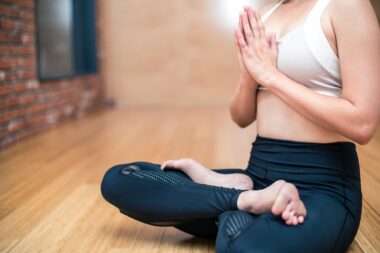
Group yoga classes have become an essential part of overall wellness, providing both physical and mental benefits to participants. One effective way to enhance these benefits is by integrating mindfulness and meditation techniques into each session. When yoga students engage fully in their practice, they become more aware of their bodies, thoughts, and emotions. This connection allows them to experience a greater state of relaxation and focus throughout the session. Incorporating mindfulness increases self-awareness, enabling individuals to better manage stress and anxiety. Additionally, meditation serves as a powerful tool for training the mind, helping participants cultivate greater concentration and clarity. By incorporating specific mindfulness practices into yoga classes, instructors can encourage students to remain present and attentive during their sessions. This can include breathwork techniques, body scans, or guided visualizations. Over time, consistent practice can lead to profound changes, not only in students’ physical capabilities but also in their overall mental health. Encouraging group discussions about mindfulness can also create a supportive environment, fostering a sense of community and connection among participants, essential for personal growth in a group setting.
In the context of yoga, mindfulness practices assist students in finding a deeper understanding of their inner landscape. This is significant as participants can learn to recognize the sensations present in their bodies as they move through each pose. To guide students effectively, instructors should model mindfulness and demonstrate how to concentrate on their breath, which forms a crucial part of the practice. By emphasizing awareness surrounding the breath, students are encouraged to reconnect with their breath throughout the class. This aspect of yoga allows participants to cultivate a deeper sense of peace and presence. Additionally, including short meditation sessions can serve as a transitional tool between poses, enabling participants to reconnect with their breath and deepen their practice. Such meditative moments help shift focus away from external distractions, honing in on the internal experience. Instructors can invite students to explore their thoughts and feelings during these meditative breaks, fostering a greater understanding of both the mind and body connection. These practices encourage self-acceptance, helping students develop a more profound sense of empathy and compassion towards themselves and their peers during group classes.
Benefits of Mindfulness in Group Settings
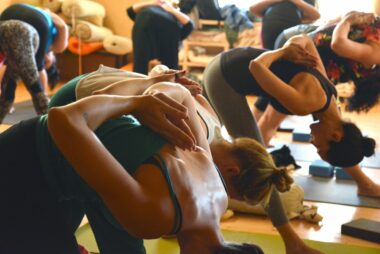
Integrating mindfulness into group yoga classes can significantly enhance the overall experience for participants. As students become more present, they tend to engage more deeply with their practice, leading to a richer and more fulfilling experience. The practice of mindfulness helps cultivate a sense of community within the class as students share a collective focus and intention. This shared atmosphere encourages individuals to support each other, creating a space where everyone feels included and valued. Furthermore, a practice rooted in mindfulness allows for more open communication between the students and the instructor, fostering a supportive learning environment. By acknowledging shared challenges and triumphs, students are reminded that they are not alone in their journeys. In this supportive setting, participants may feel more comfortable exploring their boundaries and pushing beyond them. Consequently, this communal approach can lead to enhanced motivation, promoting commitment to their practice. Encouraging students to share their experiences after class can bolster connections and reinforce the importance of mindfulness, nurturing supportive relationships among participants as they progress in their yoga journey.
Instructors can also utilize specific mindfulness techniques to guide students toward enhanced focus during challenging poses. For example, when transitioning into unfamiliar or demanding postures, instructors may encourage students to rely on their breath and maintain awareness of bodily sensations. This approach empowers participants to listen to their bodies during practice instead of pushing beyond their limits. As students learn to navigate their physical sensations, they develop resilience, discovering how to cultivate strength from within. Incorporating mindfulness practices prepares students not only for physical challenges but also for any uncertainties encountered in daily life. This capacity to remain grounded amid discomfort allows for greater emotional resilience. Consequently, group yoga classes become a sanctuary where students can explore their limitations, learn from moments of difficulty, and celebrate their progress together. As individuals become more adept at centering themselves and remaining present in challenging situations, they carry these skills beyond the yoga mat, enhancing their overall quality of life. This transformative power of mindfulness can positively impact not only the individual but the collective experience in group fitness sessions.
Creating a Mindful Class Environment
To effectively integrate mindfulness into group yoga classes, instructors should adopt a mindful teaching approach. This entails setting clear intentions for each session and ensuring a welcoming atmosphere for all students. Establishing the tone at the beginning of the class helps participants feel encouraged and valued. Instructors can create a mindful environment by offering props and adjusting the lighting to enhance comfort and provide options for different levels of participants. Furthermore, clear, concise verbal cues can guide students while also allowing space for their personal exploration. Incorporating soft music or guided visualizations can complement the practice, enhancing the calming experience students seek during their time on the mat. Encouraging a moment at the beginning and end of each class for reflection can also deepen the mind-body connection, promoting a sense of closure and accomplishment. Instructors might invite students to visualize their intentions for the practice or share their insights post-class. This reflective practice fosters community among participants and reinforces the importance of mindfulness throughout their yoga experience, solidifying its place within the group dynamic.
As group fitness continues to evolve, the incorporation of mindfulness and meditation remains integral to enhancing traditional practices such as yoga. Students often seek a holistic approach to fitness that addresses not only physical but also mental and emotional well-being. Recognizing this need, instructors are now tasked with creating safe, nurturing environments where mindfulness can flourish. The connection between mind and body becomes even more crucial as individuals look to establish balance in their lives. Incorporating mindfulness and meditation into group settings not only equips participants with tools for personal development but also creates a vibrant, engaged community. It is essential for instructors to remain open to new ideas and techniques that may enrich their classes over time. Continual learning and adapting mindfulness practices to fit the unique needs of the group can lead to more profound experiences for all involved. As this trend gains traction, group yoga classes can potentially transform into deeper explorations of self, fostering connections that extend well beyond the mat. This evolution in practice ensures that both instructors and participants experience profound benefits from their time spent together in yoga classes.
Conclusion: The Lasting Impact of Mindfulness in Yoga
Ultimately, the integration of mindfulness and meditation into group yoga classes creates lasting positive impacts on participants’ overall wellness. As students develop greater self-awareness, their capacity to manage stress and navigate challenges improves significantly. These enhanced skills carry on beyond the yoga studio, equipping individuals to face life’s obstacles with newfound confidence. Furthermore, fostering a collective sense of community within classes encourages empathy, compassion, and support among participants. This camaraderie can help reinforce dedication to their own wellness journeys as they motivate each other to flourish steadily. Both instructors and students alike embark on transformative journeys through yoga. Therefore, prioritizing mindfulness within these practices is essential for cultivating meaningful experiences. Moving forward, mindfulness will continue to play an essential role in the evolution of group fitness classes as people seek holistic approaches to wellness. By weaving mindfulness and meditation throughout each session, yoga instructors can foster a deeper understanding of themselves and one another. This collaborative spirit strengthens not only the class experience but also encourages participants to embrace the ever-changing nature of their personal journeys in yoga and life.
Through this conscious integration of mindfulness in yoga classes, we can create spaces that invite exploration and personal growth. As individuals become more familiar with engaging their minds alongside their bodies during practice, the collaborative and uplifting nature of group fitness shines through. By sharing this journey of self-discovery, we facilitate connections that inspire personal transformation and growth in our collective consciousness. Overall, the benefits of mindfulness and meditation within group yoga classes are undeniable as they contribute to an enriching experience for all participants. For those curious about the practice, seeking guidance from experienced instructors fosters both understanding and confidence. Engaging with mindfulness techniques during sessions ultimately allows students to reap the most rewards, highlighting how integral these practices are to the holistic benefits of yoga. Ultimately, the continued evolution of group fitness can embrace mindfulness to create powerful and transformative experiences for everyone involved. As we collectively prioritize the integration of mindfulness and meditation into yoga, the journey toward personal well-being continues, reflecting the interconnectedness of mind, body, and spirit in a supportive community.