
Managing Fatigue Safely During Postpartum Workouts
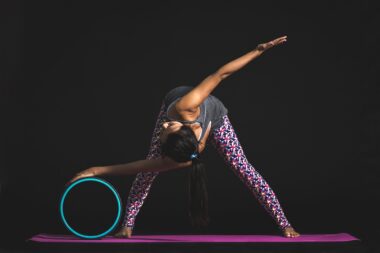
Postpartum fitness is essential for both physical health and emotional well-being. After childbirth, many women experience fatigue, which may impede their desire to engage in workouts. One way to manage this fatigue is through sensible scheduling of workouts. Start by selecting times during the day when energy levels are generally higher. For example, exercising in the morning might be beneficial, as it can boost energy throughout the day. Hydration plays a significant role in combating fatigue, so always keep water handy. When planning your workouts, include gentler activities like stretching, walking, or yoga, which can gradually increase your ability to perform more intense exercises. Remember that rest is vital; there’s no harm in taking short breaks during workouts to recuperate energy. Furthermore, consulting with a fitness expert familiar with postpartum recovery can also help design a tailored fitness plan. Incorporating engaging social interactions can motivate you to stay focused on your physical goals. Ultimately, discovering what best suits your needs results in a sustainable fitness routine and substantially reduces feelings of fatigue after childbirth.
Listening to your body is crucial during postpartum workouts. Fatigue can manifest physically or emotionally, signaling the need for modifications in your exercise routine. Hence, pay attention to discomfort and enlist assistance from healthcare providers as necessary. Basic exercises aligned with your body’s current condition can drastically help improve wellbeing. Activities like leisurely strolls can enhance circulation and serve as an excellent starting point to regain strength. Gradual progression in intensity will prevent potential injuries, which often stems from overexertion during this postnatal phase. Using support garments such as abdominal wraps or wearing breathable materials can significantly enhance comfort during exercise. Additionally, consider setting realistic fitness goals. Instead of striving for rapid results, focus on incremental improvements that allow for adequate recovery time. Engaging in group activities can provide emotional reinforcement and accountability, which is vital during these changes. This social aspect of fitness not only uplifts mood but strengthens commitment to your workout schedule. Remember that every small effort counts and should be celebrated, creating a positive mindset surrounding postpartum fitness.
Nutrition’s Role in Recovery
Nutrition plays an equally vital role in supporting postpartum fitness and managing fatigue. Incorporating wholesome, nutrient-dense foods into your diet can significantly contribute to faster recovery and overall vitality. Foods rich in iron, such as green leafy vegetables or lean meats, can counteract fatigue stemming from childbirth. Consistent energy levels can be maintained through balanced meals snacking on fruits, nuts, and granola throughout the day can ensure steady energy flow. Protein also plays a crucial role and promotes muscle repair. Vital vitamins, particularly B vitamins and folic acid, should not be overlooked either; they support energy production and should be part of your diet. Consider including omega-3 fatty acids found in fish or flaxseeds which boost mood and cognitive function while helping in recovery. Speak with a nutritionist specializing in postpartum nutrition to develop meal plans that reflect your specific needs. Preparing these meals in advance can be beneficial; they allow for better management of time and nutrition. Alongside exercising, your nutritional habits immensely influence how you feel after childbirth, hence require adequate attention and care.
Balancing life post-baby can become overwhelming, making it crucial to practice self-care during this period. An essential element of self-care is creating personal time for exercise, which not only fosters physical strength but mental health awareness as well. Formulating a flexible routine can alleviate pressure to ‘perform’ at a particular capacity. Make workouts enjoyable, whether incorporating music or teaming up with others who share similar experiences. Mindfulness techniques such as deep breathing can also enhance workouts by bringing focus and awareness to your body. This approach can result in fewer injuries, promoting consistency. Scheduling shorter, high-quality workouts can often be more effective than lengthy sessions, especially as fatigue sets in. Utilizing tools such as fitness trackers can help maintain engagement and motivate you to accomplish milestones. Remember that taking time for rest and leisure contributes to overall fitness, emphasizing the importance of getting adequate sleep whenever possible. Simultaneously, don’t hesitate to seek assistance from family members during workouts, which may enable better integration of fitness into everyday life, creating a sustainable long-term routine.
Establishing a Routine
Establishing a structured routine around your workouts helps maintain consistency and focus, reducing feelings of fatigue. Creating a weekly plan that includes designated workout days can build anticipation and a sense of accountability. Try to incorporate activities that excite you, whether it’s group aerobics, yoga classes, or solo runs in the park, remembering to listen to your body and adjust as necessary. Involving family members, like integrating babywearing during jogs, can make fitness a fun family affair, fostering bonding while prioritizing your health. Beyond fitness, integrating moments of relaxation, such as leisurely strolls or quiet reflection can elevate your experience. Engage in activities that foster community support, joining meetups or online fitness groups can provide encouragement. When fatigue strikes, adjust your plan without guilt; embracing fluctuating needs is part of being a new parent. Your progress may take various paths as you focus on your well-being. Lastly, documenting your journey, whether through journaling or photos, allows for reflection on achievements, promoting a positive mindset encouraged by personal growth. Celebrate the milestones and enjoy the process!
Keeping track of hydration before, during, and after workouts should not be overlooked. Postpartum hydration is critical as it helps combat fatigue and supports overall health. Aim for at least eight glasses of water per day, adjusting for physical exertion levels. Consuming hydration-rich fruits like watermelon, oranges, or cucumbers can also be enjoyable while contributing to meeting hydration goals. Additionally, smoothies can provide nutrients quickly while staying refreshing; try combining leafy greens, fruits, and yogurt for an energizing snack. During workouts, opt for water breaks to replenish fluids lost through perspiration. It’s also helpful to bring a bottle of water wherever you exercise, creating a reminder to hydrate constantly. Consider setting up hydration alerts on your smartphone to encourage consistent intake. Avoiding excessive caffeine is advisable as well, as too much can hinder your body’s ability to recover. Pay attention to signs of dehydration such as dizziness or excessive fatigue, and address them promptly. Ultimately, developing hydration habits during postpartum not only contributes to successful workouts but also enhances your overall health and recovery.
Seeking Support
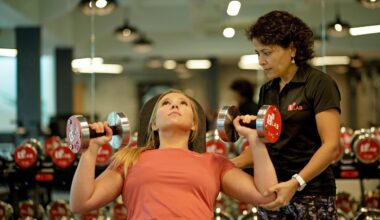
Finally, do not hesitate to seek support when engaging in postpartum fitness routines. This may encompass finding a fitness partner or joining a local group specializing in postpartum workouts. Connecting with experienced mothers facilitates sharing personal experiences that may alleviate feelings of fatigue. Online platforms are excellent resources for virtual support groups where members share workout tips, nutritional advice, and motivational stories. Knowing you’re not alone in this journey can provide emotional reinforcement. Professional guidance from trainers acquainted with postpartum physiology can be invaluable, offering personalized feedback tailored toward your unique condition. Postpartum-specific classes focusing on gradual recovery can also aid you in understanding your body’s evolving capabilities. Engaging in family workouts can stimulate motivation alongside creating cherished memories. Furthermore, involving your partner makes managing fitness a team endeavor. Recognize that prioritizing your health does not equate to neglecting other responsibilities; instead, it reflects your commitment to a balanced lifestyle. Celebrate every step you take towards fitness, and remember to cultivate patience as rebuilding strength takes time, yielding joy and satisfaction in the process.
By reframing usage, postpartum fitness transforms the journey into a platform for empowerment, promoting resilience as you navigate the challenges of motherhood. Lead with self-compassion as you establish your activity goals, ensuring they align with your well-being. Acknowledge the validity of your experiences and focus on celebrating victories, no matter how small. Each workout and healthy food choice contributes to not just physical transformation but a robust mindset, enhancing emotional resilience necessary during this period. Cherishing your evolving strength is critical to maintaining enthusiasm and commitment in workouts. Consider documenting progress through photography or journaling, providing visual reminders of unfolding achievements. As you gradually grow stronger, these reflections will motivate and inspire continued efforts. Remember that health and wellness are ever-evolving journeys, meaning there will always be room for adjustment and growth. By integrating mindful practices into your workouts, reconnecting with your body can manifest satisfaction and enjoyment while exercising. Through every repetition and breath, acknowledge the unique beauty that stems from your experience as a mother. Most importantly, celebrate this remarkable journey toward reclaiming vitality as you transition into this next chapter.