
How Much Water Should You Drink Based on Your Fitness Level?
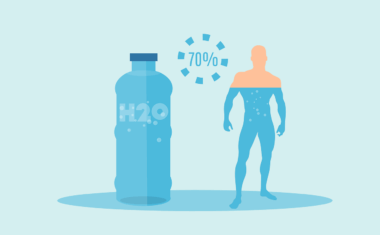
Understanding hydration is vital for everyone who engages in physical activity. Water plays an essential role in maintaining overall health, performance, and recovery for physically active individuals. Our bodies are mostly made up of water and need consistent intake to function optimally. Proper hydration regulates body temperature, lubricates joints, and aids in nutrient transport. Moreover, even mild dehydration can severely impact your performance and impede your body’s ability to recover after strenuous exercise. Therefore, knowing how much water you should drink based on your fitness level is key. Different factors influence our hydration needs, such as body weight, climate, duration, and intensity of workouts. For instance, athletes often need more fluid than casual exercisers. Understanding your unique requirements will help you develop a tailored hydration strategy, enhancing both your performance and overall well-being. Moreover, it’s essential to remember that hydration must be consistent throughout the day, not just during workouts. Maintaining a habit of drinking water regularly is a simple yet effective way to ensure optimal hydration and support your fitness journey.
It’s particularly important to consider hydration based on your activity level. For those engaging in intense workouts or training for endurance events, hydration needs increase significantly. During prolonged physical exertion, your body loses fluids through sweat, which can lead to dehydration. Exercisers should aim for about 0.5 to 1 liter of water per hour during activities that last longer than an hour. This can include activities such as running, cycling, or aerobics. In contrast, those who engage in less intense activities may only need to replenish fluids periodically. It’s crucial to listen to your body and adjust your intake accordingly. Keep in mind that thirst isn’t always a reliable indicator of hydration needs, especially during intense sessions. To gauge your hydration status better, consider monitoring the color of your urine; it should be pale, like lemonade. If it’s darker, this might signal dehydration. Additionally, taking a drink of water before, during, and after exercise sessions can aid recovery and enhance performance. Carrying a water bottle during workouts is a simple way to maintain hydration consistently.
Hydration tailored to your fitness level can vary significantly among individuals. One helpful approach to calculating water intake is using your body weight. A common recommendation suggests drinking approximately half your body weight in ounces daily. For instance, if you weigh 160 pounds, aim to ingest at least 80 ounces of water each day. Keep in mind that these are baseline figures; active individuals must increase their intake considerably. Furthermore, factors like age, weather conditions, and sweat rate also influence how much water you need. It’s smart to adjust your baseline intake based on these variables. During hot weather or rigorous training phases, increasing fluid intake is wise to replace lost fluids. Keep a hydration log or track your intake to ensure you’re meeting your needs. Likewise, consider synching your water consumption with your workout schedule – drink plenty before and after exercising. Importantly, spreading your water intake throughout your day helps your body absorb it more efficiently, allowing for optimal performance during workouts and recovery afterward.
Hydration Tips for Different Fitness Levels
Regardless of your fitness level, here are several effective hydration tips to ensure you stay adequately hydrated. Firstly, be proactive about your fluid consumption – drink water regularly, not just when you feel thirsty. Next, keep track of your water intake by using apps or simple journals; this can help monitor your hydration effectively. If plain water isn’t appealing, try adding natural flavorings like lemon, cucumber, or mint to your drinks. These enhancements can encourage you to drink more water throughout the day. Another important strategy is to adjust your hydration needs according to temperature and humidity; hotter weather requires more fluid intake. In consideration of exercise intensity, increase your water intake before and after workouts. If you exercise frequently, consider electrolyte drinks to replenish lost minerals, especially during intense sessions. Others also include hydrating foods in their nutritional plan; think of consuming fruits and vegetables, which contain high water content. This is an essential aspect of hydration that many overlook but can supplement your water intake.
Listening to your body allows for greater awareness of your hydration needs, especially during demanding workout cycles. Your thirst signals are essential indicators; never ignore your body’s calls for hydration. Moreover, pay attention to how you feel: fatigue, dizziness, or body aches can be signs of dehydration. Adjust your consumption if you notice any of these symptoms to avoid further complications. For individuals undergoing high-intensity training, consider consulting with a sports nutritionist. This professional can provide personalized hydration and nutrition advice tailored to your workout regimen. Regular check-ins with a nutrition expert can help optimize your hydration strategy and ensure you’re not only drinking enough water but doing so effectively. Explore a variety of hydration methods, including integrating sports drinks during intense sessions. These can help restore lost electrolytes during lengthy events. Varying your hydration routine can enhance enjoyment, ensuring consistent fluid intake. With these strategies, you’re more likely to maintain optimal hydration levels aligned with your fitness endeavors, supporting sustained performance and success.
The Role of Sufficient Hydration in Performance
Lastly, remember that hydration significantly impacts performance and recovery, making it a priority for any fitness enthusiast. When adequately hydrated, your body operates more efficiently, improving stamina and focus during workouts. Dehydration can lead to reduced endurance, slow recovery times, and preventable injuries. Taking the necessary precautions to maintain hydration is not only vital for your health but can set you apart in your training or competitive experiences. Ensure you’re not just checking off a box when hydrating; focus on making water intake enjoyable and engaging. This way, hydration becomes an effortless part of your daily routine. Moreover, staying educated about hydration methods can empower you to make informed decisions that benefit your overall health. Over time you’ll find a hydration strategy that suits your lifestyle, helping you thrive in both exercise and recovery. The key takeaway is that maintaining adequate hydration aligned with your fitness level ensures your body receives the fluids it needs to perform optimally. Adapting hydration practices can significantly enhance your athletic experience and achieve your health and fitness goals without uncomfortable setbacks.
In conclusion, optimizing hydration based on your fitness level is essential for everyone engaged in physical activity, from casual exercisers to serious athletes. Remember to listen to your body, adjust your water intake based on activity and environmental conditions, and consider quality hydration as an essential element in your fitness routine. By focusing on maintaining adequate hydration, you set a solid foundation for performance improvement and recovery. Whether you use body weight calculations, monitor urine color, or track intake, finding a consistency strategy that works for you is vital. With dedication and a bit of proactive management, hydration can become a seamlessly integrated aspect of your overall fitness plan. You’ll experience the positive effects it has on your energy, focus, and overall performance. In the world of fitness, hydration truly makes a difference that shouldn’t be ignored. Educate yourself, tweak your approach, and elevate your understanding of hydration. This can help you navigate your fitness journey successfully and healthily. Your body deserves it, and so do you.
Lastly, remember that hydration significantly impacts performance and recovery, making it a priority for any fitness enthusiast. When adequately hydrated, your body operates more efficiently, improving stamina and focus during workouts. Dehydration can lead to reduced endurance, slow recovery times, and preventable injuries. Taking the necessary precautions to maintain hydration is not only vital for your health but can set you apart in your training or competitive experiences. Ensure you’re not just checking off a box when hydrating; focus on making water intake enjoyable and engaging. This way, hydration becomes an effortless part of your daily routine. Moreover, staying educated about hydration methods can empower you to make informed decisions that benefit your overall health. Over time you’ll find a hydration strategy that suits your lifestyle, helping you thrive in both exercise and recovery. The key takeaway is that maintaining adequate hydration aligned with your fitness level ensures your body receives the fluids it needs to perform optimally. Adapting hydration practices can significantly enhance your athletic experience and achieve your health and fitness goals without uncomfortable setbacks.