
Home-Based Functional Fitness Exercises for Rehabilitation
Engaging in home-based functional fitness exercises is crucial for individuals recovering from injuries or surgeries. These exercises aim to restore mobility, strength, and overall physical function while ensuring safety and comfort. Importantly, individuals can adapt many exercises based on their personal recovery needs and environment, making them accessible. Before starting any rehabilitation program at home, consult with a healthcare professional to ensure proper guidance. Personalized adjustments to exercises may enhance effectiveness, catering to specific areas needing improvement. Functional fitness emphasizes movements typical of day-to-day activities, such as standing, bending, and reaching, which can help patients transition back into their routines. Furthermore, consistency is key; setting a regular routine of rehabilitation exercises fosters progress in recovery. Engage in simple yet effective movements, focusing on core strength, stability, and flexibility. Resistance bands and light weights can further enhance exercises, providing gradual resistance as individuals build strength. Overall, home-based functional fitness offers an empowering path towards recovery while promoting independence for individuals on their rehabilitation journey.
Key Exercises for Rehabilitation
Several essential exercises form the foundation of home-based functional fitness. First, the bodyweight squat is profound in rebuilding lower body strength. Start with feet shoulder-width apart, lower the body while keeping the knees aligned over the toes. Subsequently, consider incorporating leg raises. While seated or lying down, raise one leg at a time to engage the hip flexors and strengthen the abdominal muscles. Similarly, seated marches can also promote mobility; sit upright in a chair and lift each knee alternately. Furthermore, wall push-ups can develop upper body strength effectively. Position yourself about an arm’s length from the wall and push off using the arms. Also, do not underestimate the power of stretching. Gentle movements like the seated hamstring stretch can enhance flexibility while easing discomfort. Engaging in these exercises two to three times a week for 20 to 30 minutes each session may facilitate recovery progress. Always listen to your body and modify the range of motion to prevent strain. This varied routine encourages holistic rehabilitation, making home sessions enjoyable and accessible.
Core stability is essential for functional movements. Engage in exercises like the plank to strengthen the core. Start on all fours, then extend your legs to create a straight line from head to heels, holding this position. For beginners, performing knee planks by keeping the knees on the ground might help. Another option is bird-dog, an engaging exercise that promotes stability; begin on all fours, extending one leg and the opposite arm simultaneously. Slowly alternate sides to improve coordination. Glute bridges also focus on core stability and lower body strength. Lying on your back, knees bent, lift the hips while squeezing the glutes. These movements reduce the risk of falls or injuries, essential for rehabilitation. Form and control are vital; count to five during each hold to enhance isometric strength. Additionally, consider utilizing a stability ball for exercises, allowing a varied challenge to focus on core engagement during squats or crunches. Integrating core stability exercises into your routine effectively contributes to overall rehabilitation progress while preparing individuals for daily functional movements.
Frequency and Progression
When embarking on a home-based functional fitness journey for rehabilitation, it’s crucial to determine how often to perform these exercises. Consistency is vital; setting a schedule that accommodates your lifestyle while allowing for recovery is key. Aim to engage in exercises at least three times a week. Each session should last approximately 20 to 30 minutes, as this duration promotes muscle engagement without overwhelming the body. Progression is also essential; gradually increase the difficulty of exercises as you regain strength and confidence. This may include increasing repetitions, extending time held, or introducing light weights or resistance bands. Keep in mind, the right pace is critical—balancing effort and recovery to prevent fatigue or injury during rehabilitation. Documenting your progress can significantly boost motivation; a journal or app can track improvements over time. Remember, warming up and cooling down are as important as the workout itself. Incorporate stretches before and after sessions to avoid injury and enhance flexibility. Listening to your body fosters a healthier recovery process while empowering individuals towards achieving physical milestones at home.
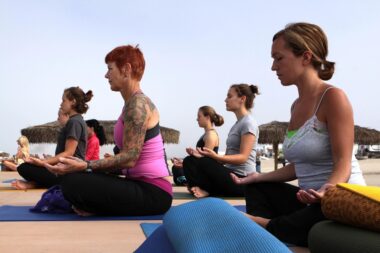
A holistic approach to home-based functional fitness for rehabilitation includes integrating mind-body practices. Mindfulness mediation, alongside physical activity, enriches the rehabilitation experience, fostering mental well-being. Consider indulging in yoga or tai chi, focusing on both movement and breath, to enhance flexibility and balance. These practices synergize with functional fitness routines, enriching physical recovery by sharpening focus and mental resilience. Furthermore, consulting fitness professionals specializing in rehabilitation programs can offer insights into personalized techniques. Engaging in group activities online or at home also reinforces accountability and motivation for exercise adherence. Maintaining a supportive network during rehabilitation contributes positively to mental health, fostering a sense of community while exercising. Tracking progress through various metrics, like timing or mobility improvement, encourages goal-setting. Moreover, diversifying workouts continually challenges the body and aids in preventing plateaus. Enthusiasm for varied exercises maintains freshness in your routine. Solidifying a habit establishes independence as you progress through your rehabilitation journey. Always remember, recovery is a journey; patience, persistence, and positivity will undoubtedly guide the way.
Nutritional Support for Rehabilitation
Nutrition plays a profound role in recovery during home-based functional fitness rehabilitation. Eating a balanced diet facilitates muscle repair and energy replenishment, essential post-exercise. Focus on including protein-rich foods like lean meats, fish, and legumes into daily meals to support muscle recovery. Combining carbohydrates with healthy fats ensures you have sustained energy throughout your rehabilitation program. For example, whole grains paired with avocados or olive oil provide necessary fats alongside complex carbohydrates, fueling workouts and recovery. Moreover, staying hydrated is equally important; water aids in digestion and nutrient absorption. Aim for at least eight glasses of water a day, adjusting based on activity levels and environmental conditions. Introducing nutrient-dense snacks, such as fruits, nuts, or yogurt, can also add variety while offering essential vitamins and minerals. However, consider moderating sugar and processed foods, which could hinder recovery progress. Research shows that anti-inflammatory foods, like berries and leafy greens, contribute positively to the healing process. Overall, a well-rounded nutritional approach complements home-based functional fitness, empowering individuals toward robust recovery and long-term wellness.
Emphasizing the importance of recovering adequately, quality sleep cannot be overlooked. Good sleep hygiene significantly affects rehabilitation success by allowing the body to recharge and repair. Aim for at least seven to eight hours a night, creating a restful environment conducive to quality sleep. Consider establishing a pre-bedtime routine; engaging in relaxing activities like reading or meditating may signal the body it’s time to unwind. Additionally, limiting screen time close to bedtime promotes better sleep quality. Managing stress through breathing exercises or gentle yoga can also aid in achieving restful sleep, enhancing overall recovery. Lastly, listen to your body; if fatigued, allow for recovery days as opposed to pushing through workouts, risking injury. Incorporating rest days into the schedule allows muscles to repair and strengthen effectively. A strategic approach blends both activity and rest, laying a foundation for resilience in rehabilitation. Overall, blending functional fitness exercises, sound nutritional habits, and quality restorative practices epitomizes a comprehensive approach towards home-based rehabilitation. This holistic strategy empowers individuals while ensuring a sustainable journey, nurturing not just physical strength but mental fortitude.
This conclusion emphasizes the necessity of understanding that rehabilitation needs vary among individuals. Tailoring a home-based functional fitness program results in a more effective recovery process. Collaborating with healthcare professionals can provide personalized recommendations and ensure the safety of exercises chosen. Continuous education on recovery methods helps individuals reclaim control over their fitness journey. Maintaining a positive mindset fosters resilience through challenges faced during rehabilitation. Encouragement can be sought from friends, family, and support groups, allowing shared experiences and motivation. Integrative practices like stress relief techniques can significantly improve mental health during recovery. Balance your time between physical activity, nutritional support, and adequate relaxation to promote effective rehabilitation. Encourage consistency and commitment to your rehabilitation journey, focusing on incremental progress rather than quick results. Track achievements and celebrate small milestones to stay motivated. Lastly, engage regularly in self-reflection, acknowledging the effort invested in the recovery journey. Empowering oneself through knowledge, support, and a proactive approach to fitness fosters a successful home-based rehabilitation experience. As individual journeys unfold, each effort can lead towards renewed strength, enhanced functionality, and a more active lifestyle.