
Creating a Mindfulness-Based Flexibility Routine at Home
Mindfulness-integrated flexibility routines can profoundly enhance physical well-being and mental clarity. Establishing such a routine doesn’t require elaborate equipment or extensive space. You merely need dedication, a quiet area, and your body. Start by finding a comfortable space in your home, free of distractions. Taking time to breathe deeply and connecting with your inner self allows you to focus. Consider a gentle yoga mat for comfortable movement. The crucial part of this practice is refining your connection to body awareness. To do this, consciously pay attention to sensations in your muscles as you move. Visualizing energy flow through your body enhances the experience, bolstering flexibility and mindfulness simultaneously. Understand your body’s limitations and goals to tailor your routine effectively. Over time, you’ll observe improvements in flexibility while cultivating a peaceful mind. Remember, the journey of mindfulness in fitness requires patience and consistency. Practice regularly to notice developments. Flexibility not only improves physical aspects but uplifts mental resilience too, making it an essential element of your fitness journey. Embrace mindfulness as a tool to connect deeply with each stretch as a significant part of your physical and holistic improvement.
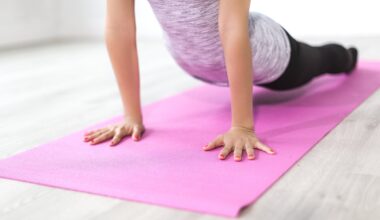
To enhance your mindfulness-based flexibility routine, consider setting specific intentions. Each time you practice, visualize what you want to achieve with your flexibility. Intentions can range beyond just physical attributes. They can encompass emotional and spiritual growth as well. Start with deep breathing exercises to ground yourself. Inhale slowly through your nose and exhale through your mouth, allowing your worries to dissipate with each breath. As you get into your routine, include moves focused on major muscle groups, fostering overall body flexibility. Postures like the Downward Dog and Cat-Cow can facilitate body awareness and hard-to-reach areas. Listen to your body; if you feel any pain, ease off the intensity. Pay attention to how you feel before and after each session to track progress. This practice can prevent injuries while paving the way for a more substantial connection between mind and body. Additionally, integrating meditation or visualization into your routine might help consolidate your mindfulness journey. Visualize yourself achieving your flexibility goals or even picture warmth and light entering your body as you stretch. This technique will transform your routine from exercise into a nurturing, healing practice.
Building Your Routine
A well-structured mindfulness flexibility routine is essential for effective practice. Start by dedicating a specific time daily, ensuring consistency in your activity. Morning sessions can serve as a great catalyst for your day, while evening practices promote relaxation. Establish a balanced sequence of stretches focusing on all body parts such as arms, legs, hips, and back. Start with gentle introductory stretches to warm up your muscles, ensuring the body becomes receptive to deeper work. Gradually progress into more advanced stretches as your confidence increases. Include at least one forward bend and one twist as they will improve mobility. Flexibility routines without mindful practice often yield little physiological benefits. Combining flexibility exercises with mindfulness ensures that your practice is holistic and focuses on mental wellness. Encouraging a mindful approach will often reveal emotions or tensions within the body that need addressing. It’s essential to cultivate kindness and patience towards oneself, particularly during difficult stretches. Alongside flexibility, prioritize recovery through regular rest days. The balance between effort and rest enables you to deepen your practice while simultaneously preventing injuries.
Incorporating various mindfulness techniques into your flexibility routine can further strengthen your practice. Techniques like Progressive Muscle Relaxation (PMR) complement stretching by promoting relaxation and body awareness. PMR requires you to tense each muscle group for a few seconds, then release. This method not only relieves physical tension, enhancing flexibility but also encourages mental focus. Begin with your feet, progressing upwards through your body, engaging your mind throughout the practice. Moreover, consider visualization techniques as you stretch; envision your muscles lengthening with each move, fostering deeper connection and mindfulness. Alternatively, you might explore guided meditation sessions before or after your exercise routine. Utilizing resources like podcasts or yoga apps can offer guided classes that align with your mindfulness objectives. Furthermore, maintaining a journal recording your feelings and experiences during practice can illustrate growth over time. Acknowledging emotional changes during physical practice helps cultivate a rounded approach, linking your emotions with physical states. Expect fluctuations in your flexibility from day to day, learning to accept them as part of your holistic practice. Embrace the journey of flexibility and mindfulness as essential aspects of your fitness evolution.
Overcoming Challenges
Practicing mindfulness for flexibility is not devoid of challenges, and understanding these can lead to greater growth. You may encounter frustration when certain stretches seem unattainable or progress feels slow. Instead of succumbing to disappointment, reframe these moments as learning opportunities. Admitting where you feel discomfort or impatience opens a dialogue between mind and body, enhancing awareness. When you encounter difficulties, breathe through them and assess the discomfort; understanding its source softens the emotions tied to it. Practitioners often find that acknowledging their feelings allows for greater control and progress over time. Be wary of comparing yourself with others; everyone’s flexibility journey is unique, and personal growth is paramount. In moments of challenge, remind yourself of your intentions and the joy mindfulness can bring. Persist through tough stretches, focusing on your breathing and mindfully releasing any negativity. If a pose feels particularly daunting, consider modifying it or seeking assistance. Overcoming obstacles in your flexibility journey teaches resilience and dedication. Embrace each challenge on this path as part of your transformative process; soon you’ll recognize them as stepping stones towards enhanced flexibility and mindfulness.
To maintain motivation throughout your mindfulness flexibility routine, involve various mindfulness practices other than stretching. Integrate meditation sessions or mindfulness walks, promoting relaxation and mental clarity before or after your exercises. This multiplicity instills excitement and newness in your routine. Exploring online resources like guided classes, community groups, and instructional videos can increase motivation, offering continually fresh perspectives and techniques. Additionally, joining a local yoga class, either virtually or in-person, cultivates community vibes while enhancing your learning experience. Active participation in a community offers support and accountability within your journey. Celebrating small victories, like improving hold times or mastering a challenging pose, encourages sustained motivation. Set realistic short-term goals, allowing you to experience a sense of achievement regularly, keeping motivation high. Documenting your journey in a fitness journal can also visualize progress, serving as a motivational tool during slower periods of growth. Remember, fitness is a journey, and mindset is a significant component of success. Remain patient and engaged, embracing each session as nourishment for the mind and body. Mindfulness practice can provide immense satisfaction, transforming fitness into a rewarding journey.
Conclusion
In summary, creating a mindfulness-based flexibility routine is a transformative journey. This practice not only enhances physical flexibility but also enriches your mental well-being, fostering an enduring connection between body and mind. Starting at home allows individuals to personalize their routines, catering to specific needs and preferences. Focus on the essence of mindfulness: being present in each moment and honoring your body’s limits. Understanding and embracing where you are is key to progress in flexibility and mindfulness. Be open to feelings that arise during your practice, utilizing them as signs toward deeper awareness and emotional growth. As you cultivate this routine, remember that consistency is crucial, and it’s perfectly acceptable to have various intensity levels on different days. The journey toward enhanced flexibility requires patience, practice, and self-compassion. Use techniques such as visualization, journaling, and meditation to deepen your practice, fostering a richer experience over time. The beauty lies not just in the results but also in the experience, holistic growth, and self-discovery along the way. Soon, your journey will unfold, revealing new depths within your practice, leading to widespread benefits in both mind and body.