
Analyzing Top Athletes’ Performance in CrossFit Competitions
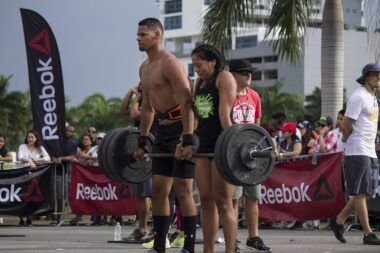
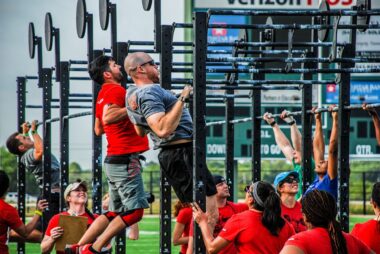
CrossFit competitions have gained remarkable popularity, showcasing elite athletes pushing their limits in various workouts. These competitions often require participants to demonstrate their strength, agility, and endurance through a wide variety of tests. Each event is carefully designed to challenge different aspects of fitness, including weightlifting, cardiovascular capacity, gymnastics skills, and overall athleticism. As spectators cheer on their favorites, performance analysis becomes vital for athletes aspiring to rise through the ranks. Coaches and competitors meticulously study previous performances to identify strengths and weaknesses, enabling tailored training regimens. Data-driven strategies can significantly enhance an athlete’s outcomes. Nutrition also plays a pivotal role in competitive CrossFit, influencing recovery and maximizing physical potential. Proper nutrition helps athletes optimize their energy levels and performance. Therefore, a holistic approach, encompassing training, analysis, and nutrition, is essential for success in the sport. Elite competitors often spend years honing their skills and preparing for events. This dedication and perseverance make CrossFit competitions exciting and unpredictable to watch, as athletes consistently strive to break personal and world records, pushing the narrative of what is possible in the sport. A well-rounded athlete is often a champion.
Understanding the nuances of each competition event is crucial for an athlete’s success. Athletes must be well-prepared for challenges that vary in duration, intensity, and technical requirements. Events can include traditional lifts like the clean and jerk but also incorporate functional movements like box jumps and burpees. The combination of these elements demands both physical and mental resilience. Effective competition strategies are vital, as pacing and technique often determine the outcomes. For example, athletes might analyze heat placements, assessing how to perform well while conserving energy for subsequent workouts. Psychological resilience also plays a significant role in CrossFit competitions, where athletes face intense pressure. Mental preparation techniques, such as visualization and focused breathing, help athletes navigate the adrenaline spike that comes with competing. Furthermore, peer support within the community fosters an environment encouraging personal growth and achievement. Athletes often train with one another, challenging and inspiring each other. The camaraderie in CrossFit not only enhances performance but serves as a vital motivator. Spectators gain insights into the athletes’ dedication and resilience through social media, where athletes share training experiences and nutrition plans, building a loyal following of fans.
Evaluating Performance Metrics
Performance metrics in CrossFit serve as a crucial tool for evaluating athletes’ effectiveness in competition settings. These metrics include time taken to complete workouts, weights lifted, and repetitions performed. By closely monitoring these variables, athletes can develop a clearer picture of their performance trends over time. Advanced technologies have been increasingly utilized to gather data, allowing for more accurate performance analysis. Wearable devices track vital signs and offer insights into heart rates, which is essential for understanding endurance capabilities during competitions. Additionally, video analysis helps identify technique flaws and areas needing improvement. Reviewing recordings from past competitions often reveals opportunities for optimization. Coaches frequently collaborate with athletes to interpret these insights. An athlete’s ability to analyze their performance helps them establish realistic goals and focuses their training efforts. Learning from previous competitions allows them to adapt their strategies for future events. Further, they can benchmark their progress against fellow competitors, offering motivation as they aim to surpass personal bests. In this highly competitive environment, understanding performance metrics ultimately fosters a culture of continuous improvement among athletes striving to excel.
Nutritional strategies are equally significant in preparing athletes for success in CrossFit competitions. Nutrition education focuses on fueling the body for optimal performance and recovery. Athletes adopt various dietary approaches based on individual needs, preferences, and goals. High-protein diets help build muscle, while sufficient carbohydrates fuel high-intensity workouts. Meeting hydration needs is also critical, especially during rigorous competition days. Supplementation may be utilized to enhance recovery and performance while ensuring athletes meet their daily nutrient requirements. Knowledge about macros and micros guides athletes in forming meal plans tailored to their training and competition schedules. Meal prepping and planning help reduce the stress of nutrition management during busy competition weeks. Additionally, some athletes track their food intake, using apps to measure caloric consumption accurately. The goal is consistently to ensure the right balance for maximum output during workouts. This disciplined approach emphasizes how vital nutrition contributes to performance. Beyond physical preparations, understanding the influence of proper diet creates a sense of confidence among athletes. Ultimately, nutrition is as important for competitive success as training regimens, culminating in well-rounded athletes prepared to achieve their fitness goals.
The Role of Coaching
An essential aspect of CrossFit competitions involves the relationship between coaches and athletes. Coaches are often instrumental in shaping an athlete’s development through tailored training plans and strategies. They leverage performance analysis to determine each athlete’s strengths and weaknesses, allowing them to create individualized roadmaps for improvement. Moreover, effective communication is crucial in this dynamic. Coaches provide constructive feedback and encouragement, helping improve mental resilience and motivation. This relationship fosters trust, allowing athletes to push beyond their limits and embrace challenges confidently. Attending competitions alongside their athletes enables coaches to guide them through event strategies in real-time. Preparing athletes mentally and physically for inevitable challenges during competitions is key. Taking the time to analyze competitors and performance data also gives coaches insights into their athletes’ experiences. Coaches’ awareness of their athletes’ capabilities enables them to make strategic decisions during competitions, such as pacing and equipment choices. The synergy developed between coach and athlete shapes their ability to perform under pressure, playing a vital role in achieving peak performance. This comprehensive approach to training exemplifies why strong coaching is indispensable within the CrossFit competition landscape.
Community support is a defining feature of the CrossFit culture impacting athletes at competitions. The atmosphere created by fellow competitors and spectators can significantly influence performance outcomes. Energetic cheering from the crowd often provides encouragement and motivation. Moreover, seeing teammates and friends support each other creates a cohesive environment that embodies the essence of CrossFit. This sense of community fosters resilience and pushes athletes to perform at their best. Competitors often train together and share insights about workouts, ensuring a more informed approach to training. Having a supportive community contributes to creating lifelong friendships and connections born out of shared experiences. Notably, social media platforms serve as an effective means for CrossFit athletes to engage with their followers, showcasing their training journeys and competition experiences. Sharing successes and struggles fosters a sense of accountability and connection. This interaction helps motivate other athletes within the community, inspiring several to embark on their fitness journeys. Ultimately, the culture of inclusivity within CrossFit positively impacts performance, reinforcing the notion that athletes excel both as individuals and within a community.
Concluding Thoughts
As we analyze top athletes’ performances in CrossFit competitions, it becomes evident that success is a multifaceted endeavor. The combination of robust training regimens, proper nutrition, effective coaching, and community support forms the cornerstone of competitive excellence. Athletes dedicate considerable time and effort to mastering their craft, driven by passion and a commitment to personal growth. Understanding metrics enables them to adapt their strategies while fostering mental resilience is equally important. As CrossFit continues to evolve, an increasing number of competitors are exploring the limits of human potential. The blending of diverse fitness disciplines within competitions keeps the sport exciting and fresh, encouraging participants to step outside their comfort zones. As records are broken and new champions rise, young aspiring athletes find inspiration in the accomplishments of seasoned competitors. With each competition, the knowledge gained fuels continued improvement, showcasing the relentless pursuit of excellence wrapped with the CrossFit ethos. For anyone interested in the sport, participating in CrossFit events presents an opportunity to experience this atmosphere and witness the power of determination. Ultimately, CrossFit stands as a testament to athletic achievements that resonate far beyond simple physical prowess.
This is another paragraph with exactly 190 words…