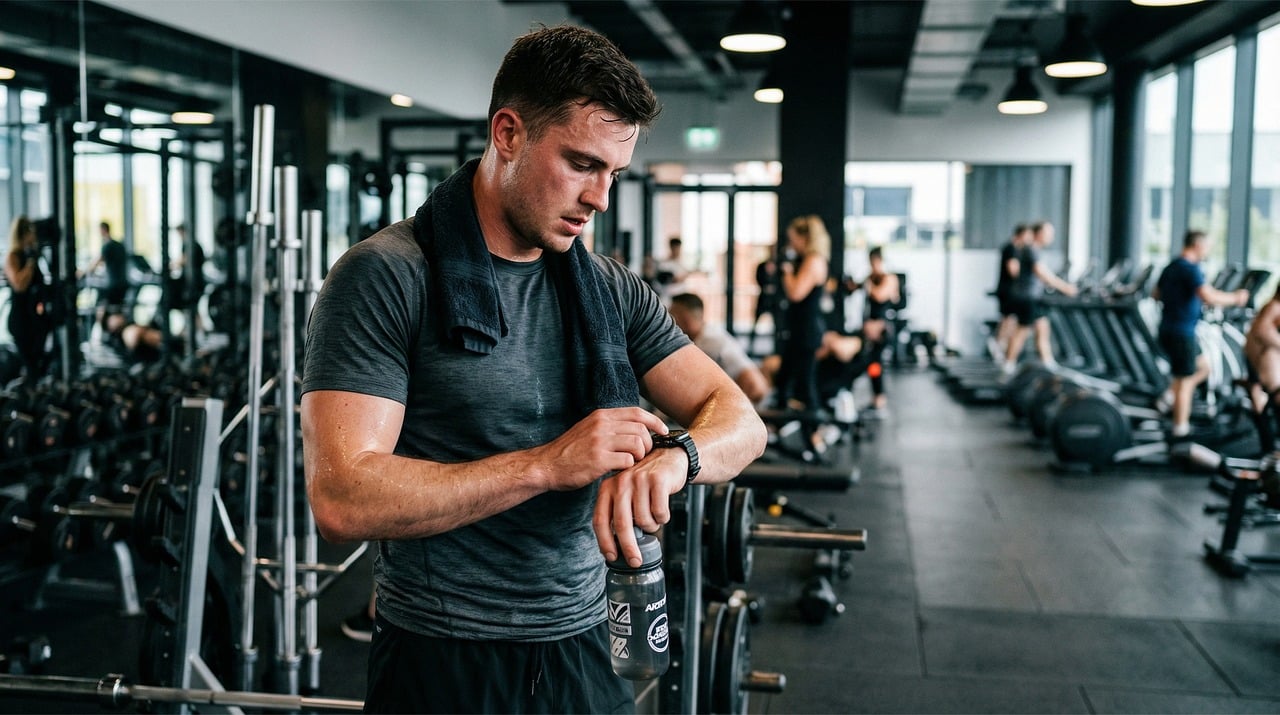

Tips for Recovering After Intense Cardio Workout Sessions
Recovering from an intense cardio workout is crucial for maintaining your performance and avoiding injuries. Post-workout recovery includes several essential strategies. First, after your session, allow yourself a moment to cool down to prevent blood pooling in your extremities. Gradually reduce the intensity of your exercise until your heart rate returns to normal. Hydration is vital; drink water or a sports drink to replenish lost fluids. Additionally, consider eating a balanced meal or snack that includes protein and carbohydrates within 30 minutes of finishing your workout. This helps repair muscles and replenish glycogen stores. Active recovery modalities such as walking, stretching, or engaging in a light workout can also aid your recovery process. You can also prioritize sleep, which plays an important role in muscle recovery and overall health. Aim for at least seven to nine hours per night to improve recovery outcomes. Finally, listening to your body is critical; if you’re feeling fatigued or sore, allow for more rest days between cardio sessions. Effective recovery means being mindful of these tips to help you stay energized and ready for your next workout.
Another effective strategy involves utilizing foam rolling or massage therapy after intense cardio workouts. These techniques help alleviate muscle soreness and improve flexibility, which can enhance performance. Foam rolling increases blood flow to the muscles and speeds up the recovery process. Likewise, a professional massage may target tight muscles, reducing stiffness and helping you feel more rejuvenated. Ice baths or cold showers can be beneficial for reducing inflammation and aiding in muscle recovery. These methods constrict blood vessels, which lessens the swelling and pain of sore muscles. Taking these steps soon after your workout can make a significant difference in recovery times. Further, it’s essential to monitor your overall workout volume and intensity to prevent overexertion, which can lead to burnout. Adjust your training plan as needed and incorporate more easy or rest days if necessary. Embracing a balanced exercise routine will enhance both performance and recovery. Lastly, engaging with fitness communities, either online or in your gym, can provide valuable support and motivation, crucial for sticking to your recovery plan and staying accountable.
Nutrition’s Role in Recovery
Focusing on nutrition after a cardio workout is as critical as the exercise itself. Proper nutrition supplies the necessary building blocks for muscle repair and recovery. Consuming protein-rich foods, like chicken, fish, or protein shakes, can significantly speed up muscle repair after intense cardio sessions. Coupling protein with carbohydrates helps optimize recovery. Incorporate whole grains, fruits, and vegetables into your post-workout meals to restore energy levels. Additionally, staying hydrated plays a crucial role in recovery; aim for a minimum of 64 ounces of water daily, increasing this intake on workout days. Electrifying meals with electrolytes such as sodium and potassium can further assist recovery by restoring electrolyte balance lost through sweat. Consider adding foods such as bananas or leafy greens to achieve this. Pre-workout meals deserve attention too; consume easily digestible meals one to two hours before workouts to enhance endurance and performance. Being proactive with your nutrition ensures you’re energized and ready to tackle your next workout efficiently. Consulting a nutritionist can help tailor an effective recovery diet based on your specific needs and workout routine.
Listening to your body signals post-workout is essential for optimizing recovery. Recognizing how your body feels can help to prevent injuries and improve performance in future workouts. Fatigue and soreness are common indicators that signal when your body needs rest. You should consider evaluating your soreness levels regularly and adjusting your workout frequency and intensity accordingly. This not only aids in physical recovery but also promotes mental well-being. Mindfulness techniques, including meditation or gentle yoga, can assist in this aspect, providing focused recovery. Embrace deep breathing practices that can help reduce stress and promote relaxation. Furthermore, incorporating restorative practices into your routine helps balance out the demanding nature of cardio workouts. Activities such as pilates or calming walks serve as excellent low-impact options for active recovery, keeping your body engaged while allowing recovery periods. If soreness persists beyond a few days, it might be wise to consult a healthcare professional or certified trainer. Taking adequate rest days is also essential; never underestimate the power of rest in your overall fitness journey. A consistent recovery routine will enhance your performance capacity long-term.
Social Support and Motivation
Engaging with a supportive community can substantially boost your commitment to recovery after cardio workouts. Finding friends or workout partners can stimulate motivation and consistency in your routines. Regular check-ins with your support network can encourage accountability and inspire adherence to healthy habits. Together, you can share your recovery tips, meal plans, and even exercise modifications that may assist those recovering from various exercises. Group workout classes or online fitness socials can provide an interactive recovery experience. Participating in social events such as charity fitness challenges or local races can provide additional motivation while encouraging active recovery. The camaraderie experienced in team settings often fosters a positive mindset toward workouts and recovery. Use social media platforms to connect with fitness enthusiasts or professionals who share similar goals; their insights could prove vital. By sharing experiences and advice, you might discover new ways to enhance your recovery strategies. Remember, fitness is a journey, and having others alongside you can make it a more enjoyable experience. Don’t hesitate to seek out mentors or motivational sources to help guide you through your fitness journey.
Lastly, always prioritize self-care in your recovery routine. Self-care comes in many forms and can significantly impact your mental and physical state post-workout. Setting aside time for relaxation activities such as reading, meditating, or indulging in a warm bath can promote both physical and mental wellness. Adequate sleep, as mentioned earlier, is also a core component of self-care and recovery. Furthermore, consider nurturing your mind through creative hobbies that bring joy and fulfillment. Being mindful of the balance between intensity and relaxation can lead to meaningful progress in your overall fitness objectives. Moreover, understand that recovery is not just about nourishing the body; it also comprises facilitating a positive mental outlook. Keeping a workout journal to track your recovery progress and thoughts can be a powerful tool in maintaining motivation and focus toward your goals and overall health. Adjust your self-care practices tailored to your individual needs, and allow flexibility within them. Remember, healthy habits take time; be patient with your journey and continue to celebrate your progress, no matter how small.
Conclusion
In conclusion, implementing effective recovery strategies after intense cardio workouts is key to sustaining your fitness journey. Prioritize hydration, nutrition, and self-care, and listen closely to your body’s signals. Incorporating active recovery techniques and allowing sufficient rest days will improve your performance and prevent injuries. The connection between physical and mental wellness must not be overlooked. Engage in social support systems to enhance motivation and accountability. Whether through partnerships or online communities, connecting with like-minded individuals can make your recovery process enjoyable and productive. Additionally, regularly assess your personal wellness routine, adjusting it as necessary to meet physical and emotional needs. Recovery requires intention and dedication; developing a varied approach that is enjoyable can significantly improve outcomes. Be patient with the recovery process, as it doesn’t happen overnight; consistency is vital. By focusing on all aspects of recovery, from nutrition to mental health, you’ll be well on your way to achieving your fitness goals while promoting a sustainable approach to your health and better performance in cardio sessions.
Implement these tips to enhance your recovery processes effectively. Encourage yourself to explore new strategies that improve your physical and emotional recovery. Never forget that taking care of your body and mind is a privilege and a profound responsibility. Fitness is not just about working hard; it’s also about knowing when to recover so that you can bounce back stronger. Maximizing recovery techniques eventually benefits your overall well-being and allows you to maintain a dedicated and successful fitness routine long-term. Over time, you’ll likely notice not only physical improvements but also increased enjoyment from your workouts as your body becomes more resilient. Finding what works best for you personally can take time, so don’t hesitate to experiment with different recovery methods until you find the most effective strategies for your needs. Stay committed to your health journey, embrace the challenges, and enjoy the process. Celebrate small victories along the way, as they are significant markers of progress. Over the long haul, a consistent commitment to recovery will lead to tremendous benefits in overall health, performance, and enjoyment.