
The Relationship Between Inflammation and Recovery in Athletes
Inflammation occurs as the body responds to stressors, such as intensive training or competition. Athletes often experience this physiological response, which can hinder performance when uncontrolled. Understanding the relationship between inflammation and recovery is crucial for optimizing an athlete’s training regimen. Recovery methods should be aligned with the body’s natural healing process. Utilizing effective recovery techniques ensures athletes return to peak performance without prolonged setbacks. Among various methods, rest, hydration, and nutrition play vital roles. Adequate sleep is paramount, allowing muscular repair and regeneration. Furthermore, consuming anti-inflammatory foods supports overall health. Essential nutrients, such as omega-3 fatty acids, are linked to reduced inflammation. Swelling or discomfort after exertion signals the need for effective recovery tactics. Athletes should adopt personalized strategies to mitigate inflammation levels and avoid chronic conditions. Each athlete’s recovery journey is distinct, so it requires tailored interventions. Consequently, educating athletes on the importance of recovery and its impact on performance aligns with their long-term goals. By prioritizing recovery, athletes will cultivate resilience and enhance their overall performance as a result of improved recovery practices.
Impact of Inflammation on Performance
Given that inflammation influences athletic performance significantly, understanding its impact is paramount for athletes. Elevated inflammation levels can lead to discomfort, pain, and reduced mobility. Consequently, performance may decline if recovery practices are inadequate. Moreover, persistent inflammation can accelerate wear and tear on muscles and joints, leading to injuries. Athletes must be aware of inflammation’s potential consequences on their physical health. Timely assessments of inflammation levels may indicate when recovery is essential. Traditional and modern recovery methods aim to manage inflammation effectively while promoting healing. Techniques such as ice baths, compression garments, and active recovery encourage blood circulation and reduce swelling. Athletes can also incorporate practices like yoga and stretching to enhance flexibility, alleviating tension. Moreover, staying hydrated before, during, and after workouts helps flush out inflammatory markers. Additionally, employing techniques like foam rolling aids in muscle recovery and reduces soreness. By taking a comprehensive approach, athletes can not only manage inflammation but cultivate a proactive recovery regimen. Identifying the early signs of inflammation will ultimately support smoother transitions between training and competitions.
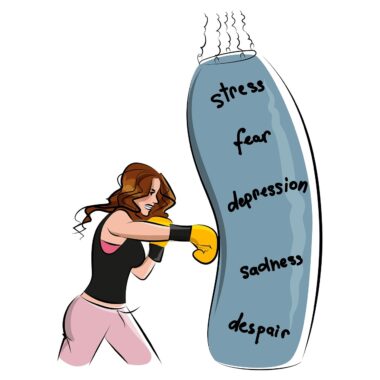
Moreover, psychological factors also contribute to inflammation, which can affect recovery. High-stress levels on athletes may exacerbate inflammatory responses. Therefore, integrating mental health practices into recovery is crucial. Techniques such as mindfulness and relaxation can lower stress and subsequently inflammation. Additionally, social support plays a significant role in members’ performance. Connecting with teammates and coaches can create a nurturing environment. This connection is essential in times of stress, assisting athletes in managing their emotional health. Engaging in group activities after intense training fosters camaraderie and boosts morale. A balanced approach to addressing both physical and psychological elements enhances recovery. Providing athletes education about mental well-being can help them cope with stressors effectively. Furthermore, applying cognitive behavioral strategies can assist athletes in overcoming negative thoughts and fears related to injury or poor performance. Such practices contribute to improved recovery outcomes. Therefore, it is vital to establish holistic recovery programs encompassing both physical and mental wellness. Athletes that adopt this comprehensive approach will foster resilience in the face of challenges and contribute to their overall success in sports performance.
Nutrition and Inflammation
Nutrition emerges as a critical factor in managing inflammation and enhancing recovery. The foods consumed by athletes can significantly influence inflammation levels in the body. Diets rich in anti-inflammatory ingredients, such as fruits, vegetables, and whole grains, support the reduction of inflammation. Incorporating antioxidants can further aid in combating oxidative stress caused by rigorous training. Foods like berries, nuts, and dark chocolate are excellent sources of antioxidants that promote recovery. Additionally, staying appropriately fueled before and after training sessions ensures optimal performance. Post-workout nutrition is vital; including protein aids in muscle repair and synthesis. Athletes should carefully consider their macronutrient ratios, ensuring a balance of carbohydrates, proteins, and fats. Furthermore, hydration cannot be overlooked, as water intake directly impacts recovery. Sufficient hydration helps maintain joint lubrication and nutrient transport. Some athletes may explore supplementation to support their recovery further, particularly omega-3 fatty acids, known for their anti-inflammatory properties. Personalizing nutrition plans to fit individual needs and performance goals significantly impacts recovery times and overall athletic success. By adopting these nutritional strategies, athletes can effectively manage inflammation and harness improved energy levels for subsequent training sessions.
Beyond nutrition, the timing of recovery methods plays a significant role in combating inflammation. Post-exercise strategies should be executed promptly for maximum efficacy. Utilizing ice packs or cold showers immediately after intense workouts minimizes swelling and pain. This immediate response brings about acute relief that can enhance recovery. Scheduling regular massage sessions promotes blood flow while targeting sore muscles, further reducing inflammation. Athletes should also prioritize flexibility and mobility training, such as dynamic stretching, as these activities stimulate the recovery process. Yoga and Pilates have gained popularity for their restorative benefits. Integrating foam rolling and self-myofascial release techniques into training can alleviate muscle tightness. Additionally, scheduling recovery days within training regimens ensures that the body receives adequate rest. Recovery shouldn’t be an afterthought; rather, it should be an integral component of every athlete’s training plan. Monitoring performance indicators can help athletes recognize the effectiveness of their recovery strategies. Understanding how different recovery practices affect inflammation will empower them to adjust their approaches. Ultimately, combining strategic timing with effective recovery methods will promote longevity in an athlete’s career.
Understanding Chronic Inflammation
Chronic inflammation poses a significant threat to athletes’ health and performance, making it essential to recognize its signs and implications. While acute inflammation is a natural response, chronic inflammation can lead to persistent discomfort and impaired recovery. Risk factors contributing to chronic inflammation include inadequate nutrition, overtraining, and lack of rest. Monitoring these aspects is crucial for ensuring optimal athlete health. Regular medical check-ups can provide insights into inflammation markers, helping athletes manage their health proactively. When inflammation becomes chronic, it can result in illnesses such as autoimmune disorders or chronic pain syndromes. In such cases, early intervention and lifestyle adjustments may support athletes in mitigating these risks. Implementing a holistic approach to training, nutrition, and recovery is vital for maintaining inflammation at bay. Regularly assessing recovery practices against performance outcomes offers valuable feedback. Addressing the psychological factors associated with chronic inflammation, such as anxiety and stress, becomes equally important. Athletes should adopt strategies that promote not only physical health but also mental balance. Ultimately, managing the risk of chronic inflammation is vital for the long-term success and health of athletes.
In conclusion, recognizing the relationship between inflammation, recovery, and overall performance heightens awareness among athletes. Implementing effective recovery methods aligned with physiological needs significantly influences performance outcomes. Athletes are encouraged to adopt a personalized approach to their recovery practices. Consistently monitoring inflammation levels provides a clearer perspective on how recovery is progressing. Healthy nutrition, rest, hydration, and mental well-being integrate into a comprehensive recovery strategy. By remaining proactive about recovery and inflammation management, athletes ensure sustainable careers in sports. Additionally, education around these topics is critical, empowering athletes with knowledge. Coaches and sports professionals should facilitate discussion on best practices. Optimal recovery is not solely reactive; it entails anticipation and preparation. Future research may further elucidate the mechanisms of inflammation and recovery in athletes, fostering innovative strategies. By weaving together these elements, athletes will build resilience and performance capabilities. Cultivating a culture that prioritizes recovery ultimately supports longer athletic careers, improved outcomes, and countless potential successes. Harnessing the power of recovery enables athletes to break through barriers, strive for excellence, and achieve their aspirations in sports.