
The Evolution of the Katana and Its Use in Iaido
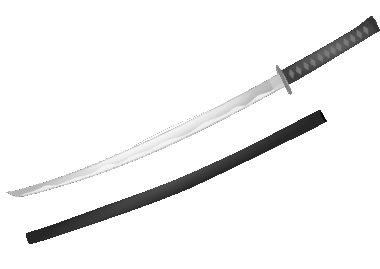
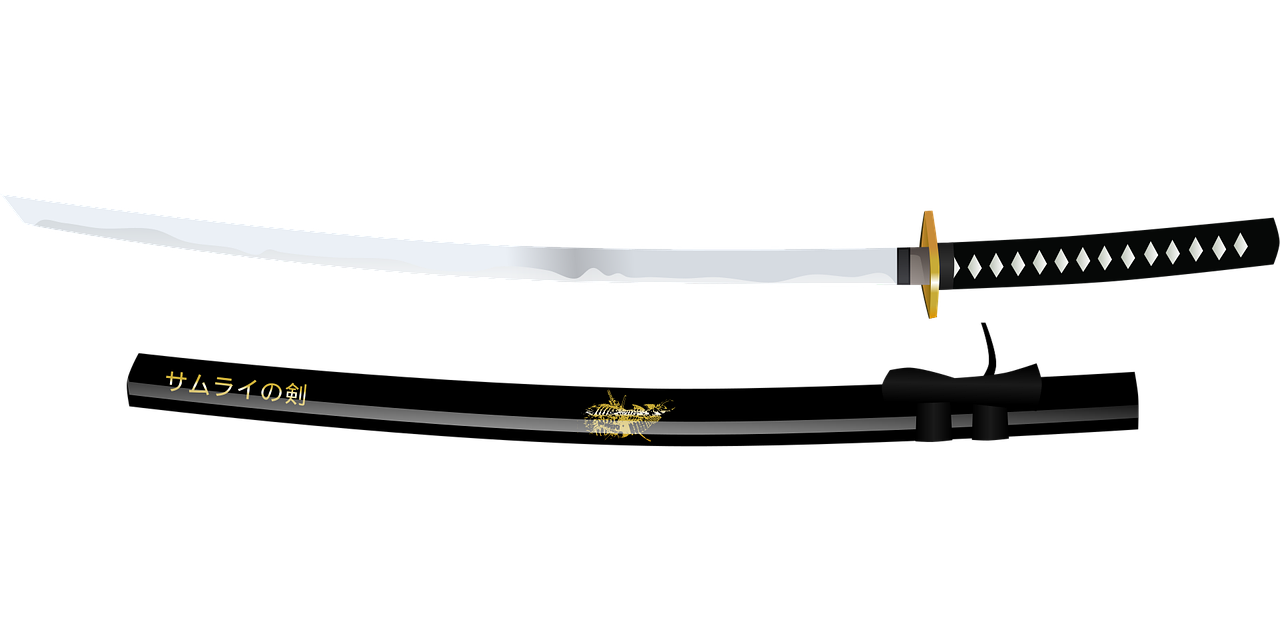
The katana is a traditional Japanese sword with a rich history that dates back to the Kamakura period in the late 13th century. Over centuries, the design of the katana evolved in response to various factors, including warfare and forging techniques. Initially created for use during combat, the katana’s curved, single-edged blade is now considered a symbol of Japanese martial arts. The weapon’s distinctive features, such as the tsuka (handle), tsuba (guard), and saya (sheath), contribute to its unique performance. Artisans developed intricate methods for tempering and folding the steel, resulting in blades that are both resilient and razor-sharp, making them effective tools for combat and artistry alike. Practitioners of Iaido practice the art of drawing the katana from its sheath, emphasizing precision, control, and mindfulness. This combination of functionality and artistry ensures that the katana remains a treasured weapon among martial artists and collectors, who appreciate its historical significance and craftsmanship. The story of the katana is one of evolution, symbolizing centuries of tradition and mastery in Japanese swordsmanship.
Iaido emphasizes smooth, controlled movements for drawing and cutting, transforming the combat experience into a thoughtful art form. Practitioners often engage in solo forms, called “kata,” which simulate combat situations while practicing specific techniques and concepts. Each kata tells a story, representing various combat scenarios that teach principles not only of technique but also of focus and discipline. Through rigorous training, practitioners of Iaido work to achieve a balance of mind and body, striving to attain the perfect form when wielding the katana. The training does not focus solely on speed, but on precision and intention in each motion. This reflective practice mirrors the philosophy underlying the katana’s continuous evolution as a weapon and symbol. With its deep historical roots, Iaido also encourages connection with the spiritual aspects of martial arts. The practice fosters personal growth, self-awareness, and respect, making it more than just a technique for self-defense. In this way, Iaido transcends its martial origins, positioning itself as a profound discipline that challenges the mind and enriches the soul, while honing the skills necessary to be an effective practitioner.
The Cultural Significance of the Katana
The katana symbolizes the samurai’s way of life, embodying honor, bravery, and loyalty. Its importance goes beyond mere weaponry; it represents the warrior’s spirit and cultural identity. Historically, the katana was often personalized by its owner, making each sword a unique representation of individual ideals and artistry. The design and craftsmanship of the katana reflected the skills of the swordsmith, who dedicated years to mastering the trade. The intricate patterns seen on the blade and the unique tsuba designs are not just aesthetic; they have deep cultural significance as well. During the Edo period, the katana was revered as a work of art, with swords often passed down through generations as heirlooms. Therefore, the katana serves as a connection to history and familial legacy for many Japanese people. It is a testament to the values instilled by the samurai, such as integrity and respect for one’s heritage. The katana’s cultural presence also appears in modern media, reinforcing its iconic status and continuing to captivate audiences interested in Japanese history and martial arts.
Modern Iaido schools often emphasize these cultural elements, blending traditional techniques with contemporary practice. Today, Iaido practitioners adopt various styles that highlight specific techniques, philosophies, and approaches to wielding the katana. Schools around the world teach Iaido, introducing the art to new generations, preserving the kata, and adapting historical techniques for modern relevance. The evolution of Iaido has led to various interpretations of the art, but the core values remain consistent, focusing on personal development and respect for tradition. Various competitions and exhibitions showcase the skill of practitioners while highlighting the katana’s grace and power. These events not only celebrate the martial aspects but also foster community and exchange between practitioners of different styles and backgrounds. Educational programs reaffirm the importance of understanding the key principles associated with proper sword handling and etiquette. This fosters a culture of respect and integrity among students while engaging with the rich heritage of the katana. The katana’s continued development demonstrates the resilience of Iaido, ensuring its relevance in a constantly changing world, where traditional practices may face various challenges.
Training Methods in Iaido
Training methods in Iaido vary significantly among different schools, each contributing to the ongoing evolution of the practice. The curriculum typically includes mastering kata that teach various principles of swordsmanship, footwork, and posture. Each school may present different interpretations of kata, maintaining unique characteristics and philosophies. In practical sessions, students learn to visualize opponents, developing tactical awareness while mastering the sword’s weight and balance. Moreover, practitioners often train in pairs alongside instructors to develop practical combat experience. Through the use of simulation, students can internalize techniques while understanding the application in real-life contexts. Safety is paramount in these training sessions, and practitioners often use practice swords, or “bokken,” to prevent injury while honing their skills. The rigorous training encourages mental fortitude, requiring students to develop both physical and psychological stamina and composure. Advanced practitioners further explore the nuances of their art, engaging in seminars and workshops while maintaining a lifelong journey of learning. The key to success in Iaido lies in cultivating a mindset committed to improvement, self-reflection, and respect for the weapon and the traditions that shaped its evolution.
As Iaido continues to evolve, technology and innovation also play a significant role in shaping its future. With the advent of modern techniques and equipment, training has become more accessible worldwide. Videos, online demonstrations, and virtual classes have allowed practitioners to connect with experts across the globe and learn from diverse perspectives. This accessibility promotes cultural exchange, ensuring the preservation and evolution of Iaido traditions. Furthermore, advancements in training gear, such as lightweight synthetic bokken, allow practitioners to train without the risks associated with using traditional swords. This innovation fosters an engaging training environment that encourages newcomers to explore Iaido without intimidation. Technology also enhances the analytical approach to practice, allowing students to analyze their movements and refine their techniques with precision. Additionally, social media platforms have contributed to a broader appreciation of Iaido and the katana, generating increased interest in this martial art. More enthusiasts will learn about the sword’s history, techniques, and philosophy, ensuring its continued relevance in the modern world. This synthesis of tradition and innovation exemplifies Iaido’s enduring appeal and adaptability as it faces the challenges of the present.
Conclusion: The Future of Iaido and the Katana
The future of Iaido and the katana rests on the shoulders of current and future practitioners. As younger generations embrace martial arts, they carry with them the responsibility of preserving traditions while adapting to contemporary needs. The ongoing relationship between Iaido and its practitioners reflects a commitment not only to the physical art of swordsmanship but also to the philosophical and spiritual aspects that accompany it. Furthermore, awareness of the katana’s cultural significance will inspire deeper exploration of its artistic components, ensuring that its value is recognized beyond merely the martial realm. Within this cultural framework, educators and instructors play crucial roles, providing the necessary guidance and instruction to foster a new generation of enthusiasts. Sustaining enthusiasm ensures future practitioners strive for excellence and develop mutual respect for the weapon and their training. The katana will undoubtedly continue to evolve, shaped by the experiences and values that practitioners bring to the art. In this respect, the katana is more than a weapon; it represents a continuously evolving tradition that will inform future generations about the essence of martial arts.
Ultimately, the journey of Iaido empowers individuals to cultivate discipline, focus, and respect, enriching lives in myriad ways. As practitioners engage with their training and the katana, they discover endless opportunities for self-improvement. This intimate connection encourages deeper appreciation for the art while reinforcing the shared values inherent in its practice. Embracing the history, culture, and evolution of the katana and Iaido leads to profound insights into both personal and collective journeys. As the martial art continues to inspire and captivate, societies will benefit from the discipline, respect, and honor it instills in individuals. Therefore, the legacy of Iaido will not only transcend time but will flourish, reminding us of the importance of mindfulness and commitment in both practice and life. The katana, with its rich history and evolving purpose, will stand as a monument to this journey, consistently inspiring practitioners to push the boundaries of their potential and achieve personal mastery while respecting the timeless heritage they inherit.