
The Best Shoes for Foot-Eye Coordination Training
Choosing the right shoes for foot-eye coordination training is crucial for developing fundamental skills. Proper footwear can greatly enhance performance by providing adequate support, traction, and stability. Look for shoes that offer a good fit, as a snug design prevents injuries and enhances control. The materials should be breathable, promoting airflow during intense sessions. Flexibility is another vital aspect to consider; shoes should allow the foot to bend naturally, ensuring a comfortable range of motion. Additionally, select shoes with non-slip soles, which will aid in stability during various training drills. The weight of the shoe also matters; lighter shoes often lead to faster movement, enabling better agility. Ensure the shoes you choose are well-cushioned for maximum comfort; this helps reduce the impact on your feet and joints. Remember, investing in quality footwear directly correlates to training success and overall performance. Do not forget to assess your individual foot type and pronation pattern when selecting shoes, as this will further optimize your training experience. A qualified fitting expert can provide insights on the best options available tailored to your specific needs.
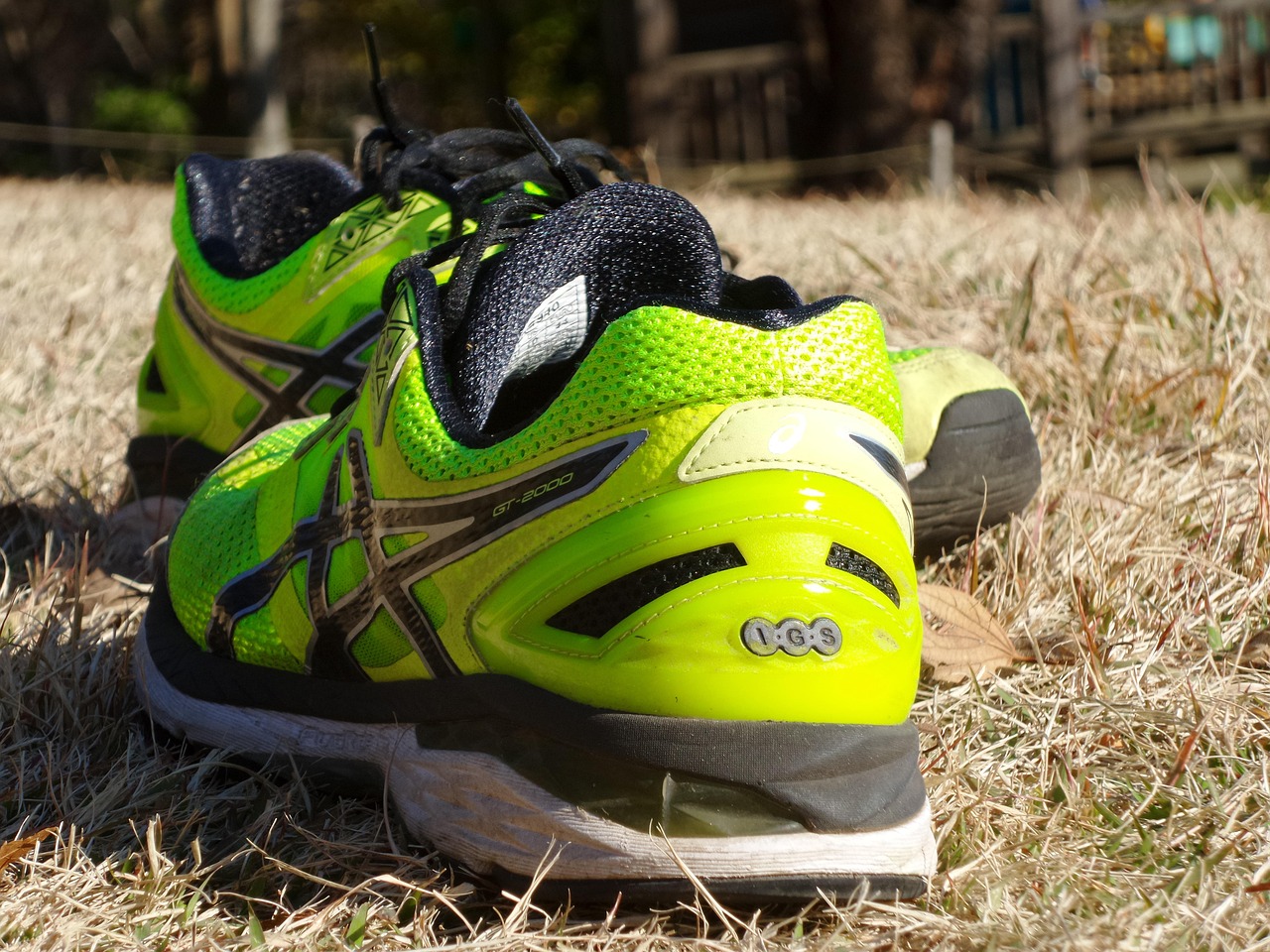
There are numerous brands that specialize in footwear designed for coordination training. Nike, Adidas, and Asics are at the forefront of creating technologically advanced shoes. For instance, Nike’s React Infinity Run offers excellent cushioning, while Adidas’ Ultraboost is known for its responsiveness. Asics Gel-Quantum series combines a flexible design with superior support. Other lesser-known but effective brands like Saucony and New Balance also provide exceptional options. When browsing shoes, consider utilizing online resources for reviews, focusing on durability, comfort, and performance ratings. A well-rated shoe can significantly enhance foot-eye coordination workouts. Local sports stores often have qualified staff who can assist with fittings. They can recommend shoes based on assessment of your foot type and personal training goals. In addition, trialing shoes before purchasing is advisable; ensure they feel great, especially during movement. Another consideration is design – while aesthetics shouldn’t overshadow functionality, investing in a visually appealing pair can boost motivation. Pairing performance with style could lead to more consistent training. For foot-eye coordination training to yield results, combining the right shoes with a structured program is essential.
Key Features to Consider
When selecting shoes specifically for foot-eye coordination exercises, there are key features to remember. First, prioritize a lightweight design that won’t weigh you down during drills. Shoes need to allow for quick starts and stops, enhancing your responsiveness during coordination tasks. Next, choose shoes with excellent lateral support; this is particularly important for movements that require side-to-side agility. Ventilation is another noteworthy factor; ensure your shoes have breathable materials to prevent overheating. Good traction is vital for preventing slips and falls. Rubber outsoles with a multi-directional tread pattern often work best for these activities. Cushioned midsoles will provide comfort while absorbing shock from jumping or quick movements. These layers also help in energy return, supporting prolonged training sessions. Stability features like a firm heel counter can significantly enhance balance. Moreover, consider the level of arch support that the shoe provides – customized options may be beneficial for individuals with specific foot conditions. Finally, contemplate the shoe’s flexibility, as it should adapt to your foot’s natural movements during various exercises.
In addition to the physical attributes of the shoes, understanding the importance of fit cannot be overstated. A proper fit minimizes the risk of blisters and foot fatigue, which could interrupt training sessions. When trying on shoes, ensure you have the correct amount of toe space, about a thumb’s width between the end of your longest toe and the shoe’s front. A tight fit around the midfoot will help prevent excessive foot movement within the shoe. Always opt for shoes that feel comfortable right from the start; they shouldn’t require a long break-in period to feel good. Additionally, consider using insoles for extra comfort and support. Custom orthotics can dramatically improve the fit, especially for those with flat feet or high arches. Regularly examine the shoes for wear and tear; old, worn-out shoes won’t offer the necessary support for effective training. Aim to replace your training shoes every 300-500 miles, or sooner if they lose cushioning. Keeping a log of your footwear also helps track usage. Proper maintenance of your shoes extends their lifespan and ensures you always train at your best.
Popular Training Drills
Engaging in specific drills can maximize the benefits of your foot-eye coordination training while wearing the right shoes. Classic drills like ladder exercises improve agility and foot speed, both fundamental for coordination. When performing ladder drills, focus on maintaining light and precise contact with the ground. Cone drills are another excellent option; they help develop quick directional changes. These drills rely on your shoes’ grip and stability to avoid injuries during rapid movements. Jumping exercises, like box jumps or plyometric drills, also elevate coordination skills; however, proper cushioning is pivotal here to mitigate impact. Ball exercises, where a partner throws balls for you to catch or hit, refine coordination while effectively using your footwear’s features. Another engaging drill is the ‘shuttle run’, which involves moving quickly back and forth between two points; it effectively enhances speed and coordination as well. Transitioning between these drills while wearing quality coordination shoes can significantly diminish accidental slips or falls, ultimately resulting in improved performance. Consistently practicing these exercises leads to better muscle memory and coordination over time.
It’s also advisable to integrate strength training into your routine. Stronger muscles will help you maintain balance and control, essential for effective coordination. Focus on calf raises, squats, and lunges to build lower body strength. Furthermore, balance exercises using tools like balance boards or stability balls can enhance overall coordination. Incorporating these strength and balance routines for foot-eye coordination promotes a holistic approach to training. Shoes designed for such programs should provide enough grip and flexibility to adapt to various movements. Selecting shoes ideal for both strength and coordination training is vital for holistic improvement. This approach can prevent overuse injuries, which are common in singular-focused training. Regularly assessing your performance and your footwear will yield insights into any necessary adjustments. Pay attention to any discomfort that may signal the need for a shoe change. Engaging in cross-training activities like swimming or cycling reinforces coordination benefits as well, since they also work on different muscle groups. All these components should align with your training goals to ensure maximum benefits.
Conclusion: Invest Wisely
Investing in the right shoes for foot-eye coordination training is vital for improved performance. The benefits of a good pair extend beyond discomfort; they contribute to enhanced agility and decreased injury risk. Remember that individual needs vary, so choose footwear based on your unique requirements. Engaging in consistent foot-eye coordination drills will yield results when paired with the proper shoes. The structured training plan should reflect your goals, be it enhancing overall coordination or preparing for a specific sport. Prioritize research, understanding the available options, and assessing shoe features that best suit your training needs. Don’t hesitate to seek professional opinions; getting fitted by a specialist can make a significant difference. Comparatively weigh different brands, pay attention to new technologies in the market, and remain flexible to change as your training progresses. Ultimately, quality footwear can facilitate faster improvements in skills, making training not just productive but enjoyable. Make your shoe selection a priority for any athletic journey, especially when it comes to specialized training like foot-eye coordination. A right choice can transform your training into a successful endeavor that yields long-lasting results.