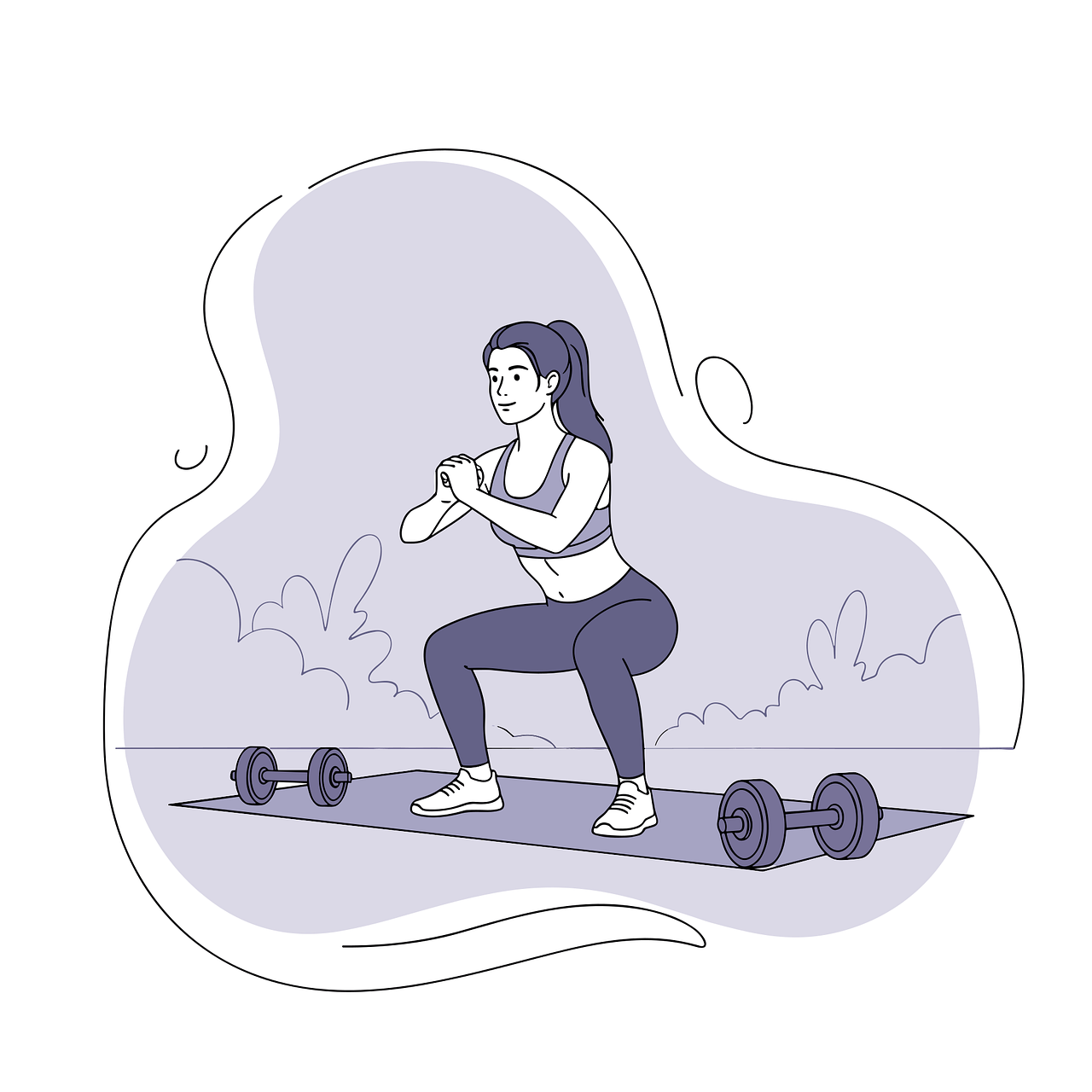

Repairing Muscle Imbalances with Targeted Squat Work
In the world of weightlifting, the squat remains a cornerstone exercise integral to building strength and muscle. However, many lifters face challenges due to muscle imbalances that hinder their performance. These imbalances can lead to an uneven strength distribution, particularly between the left and right sides of the body. The primary goal of addressing these imbalances through targeted squat work is to ensure that both muscle groups work evenly, thereby optimizing power output and improving overall squat mechanics. Performing unilateral exercises, where one limb is worked at a time, can rectify these discrepancies effectively. Exercises such as single-leg squats, Bulgarian split squats, and even dumbbell squats can enable lifters to focus on each leg individually, promoting balanced strength adaptation. As a result, lifters not only improve their squat performance but also reduce the risk of injuries associated with uneven muscle strength. Furthermore, dedicated attention to these techniques fosters better overall athleticism. An emphasis on strengthening the weaker side will lead to more balanced body mechanics during heavy squats, enhancing performance metrics in competitive weightlifting environments. Therefore, understanding and implementing proper squat techniques offers substantial benefits.
Building a proper squat technique necessitates focusing on posture, foot placement, and mobility. Proper form plays a critical role in enhancing muscle engagement while minimizing the risk of injury during squats. Starting with feet placement, lifters must determine their optimal stance, which often varies between individuals. A wider stance often emphasizes the inner thigh and glute engagement, while a narrower stance targets the quadriceps. Further, the lifter’s toes should be slightly pointed outward to enable a fluid range of motion. Additionally, maintaining a neutral spine position—keeping the back straight and chest up—is fundamental as it helps distribute weight evenly throughout the squat. As a lifter descends, the hips should go back while ensuring the knees do not protrude excessively beyond the toes. Working on mobility through dynamic stretching can greatly improve squat depth and flexibility. Incorporating mobility exercises into the warm-up routine helps prepare the ankles, hips, and thoracic spine for the squat. By enhancing these areas, lifters can achieve deeper squats while simultaneously reducing the potential for injury. A well-structured squat regimen can help build a solid foundation necessary for other Olympic lifts.
Identifying Muscle Imbalances
Recognizing muscle imbalances is the first step towards effective corrective training in weightlifting. Many athletes are often unaware of their asymmetries until they consult with a coach or analyze their performance through video recordings. The idea is to observe how the body performs during squat movements. Athletes may find that one side of the body engages differently than the other, which can be a clear indication of an imbalance. Common signs include uneven bar placement on the back, tilting during squat descents, or favoring one leg during lifts. Additionally, feedback from a coach can assist in identifying such discrepancies. Often, athletes will experience discomfort or pain when squatting deeper if one side is stronger than the other. A thorough assessment can highlight these weaknesses, allowing lifters to design a targeted program that prioritizes rehabilitation of the weaker side. Examples of effective assessments include observing squat depth, balance, and flexibility. Understanding muscle imbalances is crucial not just for efficient lifting but also for long-term health, and safety minimizes the likelihood of overuse injuries.
One effective training approach for addressing identified muscle imbalances is the incorporation of strength and stability exercises targeting the weaker side. Implementing a regimen that includes accessory work is vital to correct these discrepancies. Such exercises may include resistance band lateral walks, step-ups, and single-leg bridges, which all contribute significantly to improving unilateral strength. Resistance bands can specifically enhance stability since they require constant tension and activate a range of muscle fibers. Lifters can pinpoint focus on their weaker leg while ensuring that the core remains engaged, which is essential for balance. Furthermore, slowly increasing the weight or resistance as control improves will lead to progressive adaptations. Transitioning into heavier unilateral lifts ensures strength gains translate toward overall squat performance. Additionally, lifters should adhere to the principle of progressive overload by incorporating systematic variations to the resistance or equipment used. It’s also worth mentioning that recovery and rest are equally important. Allowing adequate time for muscle recovery prevents overtraining, which may exacerbate imbalances or lead to injury. Athletes should monitor their progress and make adjustments based on observed performance.
Key Squat Variations
Integrating various squat variations into training regimens is beneficial to address specific muscle imbalances and enhance overall performance. Each squat variation activates muscle groups differently, allowing individuals to selectively target their stronger or weaker legs. Back squats are typically favored for overall strength building, while front squats shift emphasis towards the quads and upper back stabilization. Additionally, overhead squats engage core stability, which is particularly beneficial for lifters with poor balance. Box squats, on the other hand, can help master proper depth and positioning, while teaching how to initiate from the hips effectively. Single-leg squats and pistol squats act as advanced variations that are ideal for unilateral training. By integrating these squat variations, lifters can develop better muscle coordination and functional strength. Furthermore, learning to adapt each variation based on individual weaknesses ensures personalized training that maximizes strength gains while concurrently mitigating injury risks. Accessing instructional content or joining clinics on squat techniques can further bolster learning outcomes. Athletes should always ensure that the technique is sound before moving onto heavier weights or advanced variations.
Monitoring progress and adjustments to training plans are crucial to ensure continued performance improvements. Athletes can benefit from keeping a training diary that tracks weights, repetitions, and personal observations during workouts. An added dimension is analyzing how body mechanics perform during each squat session. Utilizing video feedback can offer real-time insights that help identify inefficiencies in technique. After executing a structured assessment plan over several weeks, lifters should adapt their programs based on observed progress and trends. For instance, if a lifter notices consistent struggle in a specific squat variation, it can be indicative of a fundamental imbalance. Lifters might restructure their training to incorporate more unilateral work specifically addressing that weakness alongside their main squat routine. Additionally, seeking assistance from a coach or trainer for form checks and constructive feedback is vital. They can also provide tailored programming that focuses on overcoming specific hurdles. Ultimately, consistency in monitoring allows athletes to eliminate bad habits before they become entrenched which leads to further imbalances. A well-structured approach encourages sustained growth and performance enhancements.
Incorporating Recovery Strategies
Finally, appropriately incorporating recovery strategies into training protocols is essential for addressing muscle imbalances. Recovery is often an overlooked aspect of training, yet it directly influences performance improvement and muscle growth. Techniques such as foam rolling and dynamic stretching are effective for alleviating muscle tightness and improving relaxation. Additionally, active recovery activities such as light cardio can enhance blood flow to fatigued muscles while promoting recovery. Prioritizing nutrition and hydration plays a significant role as well; nutritional intake should align with the intensity and volume of workouts. Consuming adequate protein, carbohydrates, and healthy fats can accelerate recovery, allowing lifters to train more effectively. Moreover, sleep should not be underestimated; quality sleep ensures muscle recovery, emotional well-being, and focus during workouts. Athletes also benefit from establishing a consistent and calm pre-sleep routine. Regular assessments of recovery times can provide insights into overall performance and daily readiness for training. Integrating these recovery strategies helps athletes avoid injury, enhances performance levels, and sustains their training regimen. Fostering longevity in weightlifting performance ultimately hinges upon recognizing and valuing recovery during training.
In conclusion, repairing muscle imbalances through targeted squat work is crucial for optimizing athletic performance and ensuring longevity in training. By identifying specific imbalances and implementing corrective measures such as modified squat variations, strength-building exercises, and appropriate recovery techniques, lifters can see significant improvements in overall strength. The successful integration of unilateral training will lead to enhanced proprioception, balance, and muscle coordination. Prioritizing the development of weaker muscle groups not only reduces injury risk but also improves overall functional abilities within the squat. Moreover, maintaining awareness of personal progress through monitoring can aid in achieving goals effectively. Each athlete’s journey is unique, and a tailored approach to workout regimens will yield the best results. As with any sport or physical activity, consistency and attention to detail will pay dividends over time. Lifters are encouraged to explore various training techniques, seek professional guidance when needed, and remain patient in the pursuit of improvement. In a world where fitness goals can seem daunting, recognizing the importance of balanced strength offers the means to successful weightlifting. By emphasizing efforts on squat techniques, everyone can achieve their desired level of performance with diligence.