
Pilates Breathing Techniques for Core Engagement
Understanding the significance of breathing in Pilates is crucial for enhancing core stability. Breathing not only oxygenates the body but also impacts muscle engagement. In Pilates, we practice specific techniques to coordinate breath with movement. This synergy fosters deeper muscle activation, assisting in maintaining optimal form. Through the process of inhalation, the body expands, allowing space and depth in the work. Conversely, exhalation helps in contracting the core, facilitating a more stable foundation. Ideally, you should inhale during the preparation phase of the exercise and exhale during the effort phase. In Pilates, inhaling often requires a diaphragmatic approach which draws air into the lower lungs, mobilizing the rib cage. This permits a greater range of motion while also stabilizing the spine. Furthermore, incorporating breath into routines encourages mindfulness, allowing practitioners to tune into their bodies. By being aware of each inhalation and exhalation, individuals gain control over their movements, fostering intentional practice. Hence, mastering breathing techniques is fundamental for core engagement in Pilates, ultimately enhancing overall performance and stability during exercises.
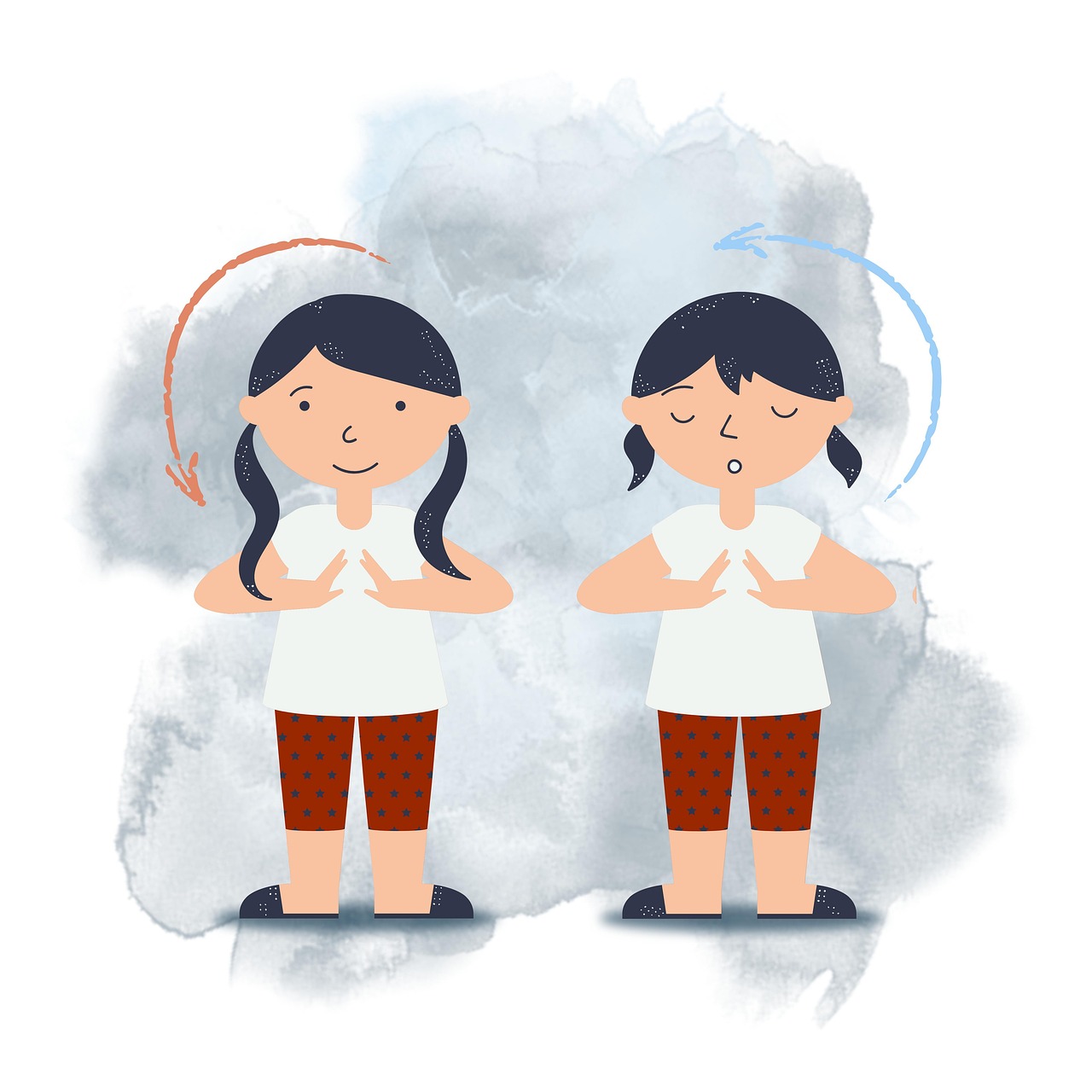
Progressing to effective breathing patterns in Pilates improves core stability significantly. Concentrating on breath control enhances the connection between the mind and body. When you engage your core correctly, you ensure that every movement has purpose and precision. During your Pilates practices, integrate various breathing techniques. In particular, the lateral breathing technique could encourage complete lung expansion while keeping core muscles engaged. Lateral breathing allows the ribs to expand laterally rather than just vertically. Start inhaling deeply through your nose, engaging your diaphragm and expanding your rib cage. Allow your breath to fill your back, feeling the thoracic region open. As you exhale through your mouth, tightly draw your abdominal muscles toward your spine. Additionally, a focus on breath significantly improves movement efficiency. Many practitioners find that by cultivating awareness of their breath, they can maintain posture easier throughout their sessions. Breath also limits the risk of strain, as a well-timed exhalation can offer the necessary support during challenging movements. Mastering these breathing techniques is essential for anyone wanting to enhance their Pilates practice and core engagement.
The Role of Diaphragmatic Breathing
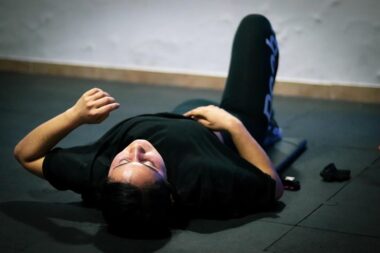
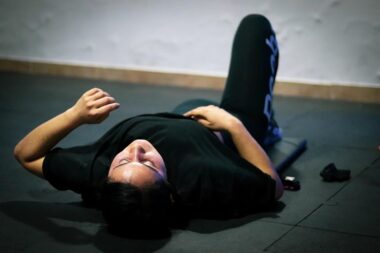
Diaphragmatic breathing is essential for core stability in Pilates because of its inherent connection to proper muscle activation. The diaphragm, situated beneath the lungs, plays a vital role in efficient breathing patterns. Utilizing diaphragmatic breathing strengthens the innermost layer of abdominal muscles, known as the transverse abdominis. This layer is crucial for maintaining pelvic stability. By performing exercises that emphasize diaphragmatic breathing, you develop a foundation for all Pilates movements. Start with a simple lying position; inhale deeply through your nose, ensuring that your abdomen rises rather than your chest. Encourage your ribs to expand outward while keeping your upper body relaxed. As you exhale through pursed lips, visualize drawing your belly button toward your spine. This action should engage the transverse abdominis without excessive force. Completing these inhalation and exhalation cycles brings awareness to your core and instills stability. During mat and reformer sessions, consistently practicing this technique reinforces proper alignment and posture. In summary, mastering diaphragmatic breathing not only benefits core stability but also enhances overall Pilates effectiveness.
Understanding the impact of breath timing during Pilates exercises is vital for optimal results. As you flow through a Pilates sequence, synchronizing your movements with your breath results in fluidity and grace. For example, inhale when preparing for a movement and exhale during the most intense part. This approach not only aids in maintaining stability but significantly improves the effectiveness of the exercise. When you coordinate breath with movement, percussive energy is harnessed, guiding the body through each desired posture. Additionally, inhalation can help open the body fully before transitioning into various positions. Implementing controlled breath patterns ensures that movements are executed with precision, resulting in power and efficiency. As you explore more challenging exercises, refine your breath control further. With practice, you will find the rhythm that best suits your body. Adjusting your breathing patterns can also help manage discomfort during particularly demanding exercises. Consequently, timely breath becomes an integral aspect of your Pilates routine and a powerful tool for core engagement. Understanding this synchronization ensures that each session is purposeful, strengthening your foundation while improving overall performance.
Techniques for Breath Integration
Integrating proper breathing techniques into your Pilates practice promotes enhanced core stability. Various approaches can be employed to master breath control while executing movements. For instance, performing movements with a focus on the quality of your breath can lead to significant improvements. Try to incorporate visualizations to deepen your understanding of breath. When inhaling, visualize air filling your body, allowing your abdominal wall to expand outward. As you exhale, visualize this air leaving through your abdominal muscles. Employing a consistent practice routine is essential. Set aside time during each session to focus solely on breathing exercises before diving into your Pilates flows. Focus on consciously engaging the core with each breath. Consider adding breath-centric exercises, such as the Hundred, where inhalations and exhalations become part of the challenge. Additionally, practicing breath integration not only improves your physical health but enhances your mental clarity. The mindfulness involved in breathwork promotes relaxation, reducing tension levels. As you embrace breath integration, remember that every inhalation and exhalation contributes significantly to your core stability in Pilates.
Pilates methods emphasize the importance of pre-exercise breath preparation. Preparing your breath can lead to more effective workouts and enhanced core engagement. Initiate your sessions by performing a few warm-up breathing exercises. These can include simple diaphragmatic breathing and lateral breathing practices. Inhale deeply for a count of four, allowing your belly to expand, and hold for two counts before slowly exhaling through your mouth for a count of six. Repeat this cycle several times to cultivate awareness and control. By focusing on these techniques, you engage your core before even starting your main workouts. These initial strategies provide a solid base, increasing your coordination throughout each movement. Furthermore, addressing your breath early helps maintain energy levels during intense exercises. The mental clarity gained from pre-exercise breathing not only aids in muscle engagement but fosters an overall sense of well-being. Additionally, maintaining a breath-focused mindset prepares you for any challenges that arise during your practice. Ultimately, developing a structured prep routine ensures that breathing becomes instinctual and integral to your Pilates journey.
Conclusion: The Importance of Breath in Pilates
In conclusion, mastering Pilates breathing techniques is essential for core stability. The insights shared throughout this article highlight the critical role of breath in enhancing overall performance. Proper breathing allows for greater muscle engagement, contributing to improved workout efficiency. As you continue your Pilates journey, prioritize mastering diaphragmatic and lateral breathing techniques. Implementing these approaches in everyday practice promotes mindfulness and focus, fostering a deeper connection to body awareness. Additionally, recognizing breath timing further enhances your effectiveness during challenging exercises. Through organizing your sessions with dedicated breath integration techniques, you, as a practitioner, will experience significant growth in your physical and mental capabilities. As you refine these patterns over time, your ability to engage your core will flourish. Optimal breathing allows your muscles to perform efficiently, minimizing strain and achieving desired results. Most importantly, commitment to these breathing techniques ensures that Pilates remains a source of strength, stability, and overall well-being. Embrace the journey of breath mastery, and let it carry you toward success in Pilates.
Remember to always seek guidance from a qualified instructor to refine your breathing techniques while practicing Pilates. A certified trainer will ensure that you are performing movements correctly and safely, preventing any strain. Your instructor can provide personalized feedback and adjustments, significantly enhancing your learning curve. The process of mastering breath techniques requires patience and practice, but the benefits you reap are well worth the effort invested. As you venture deeper into Pilates, consider joining a dedicated group or class focused on breath awareness. Surrounding yourself with like-minded individuals encourages motivation and accountability. As you incorporate these innovative breathing techniques, always keep your goals in mind. Recognize that everyone’s journey in Pilates is unique; celebrate your progress, and focus on individual growth. Whether you’re a beginner or an advanced practitioner, exploring these techniques will enhance your core stability and enrich your overall experience. Stay committed, persistent and open to learning, and you will undoubtedly witness the rewarding changes in your practice, offering your body a powerful foundation for strength and flexibility.