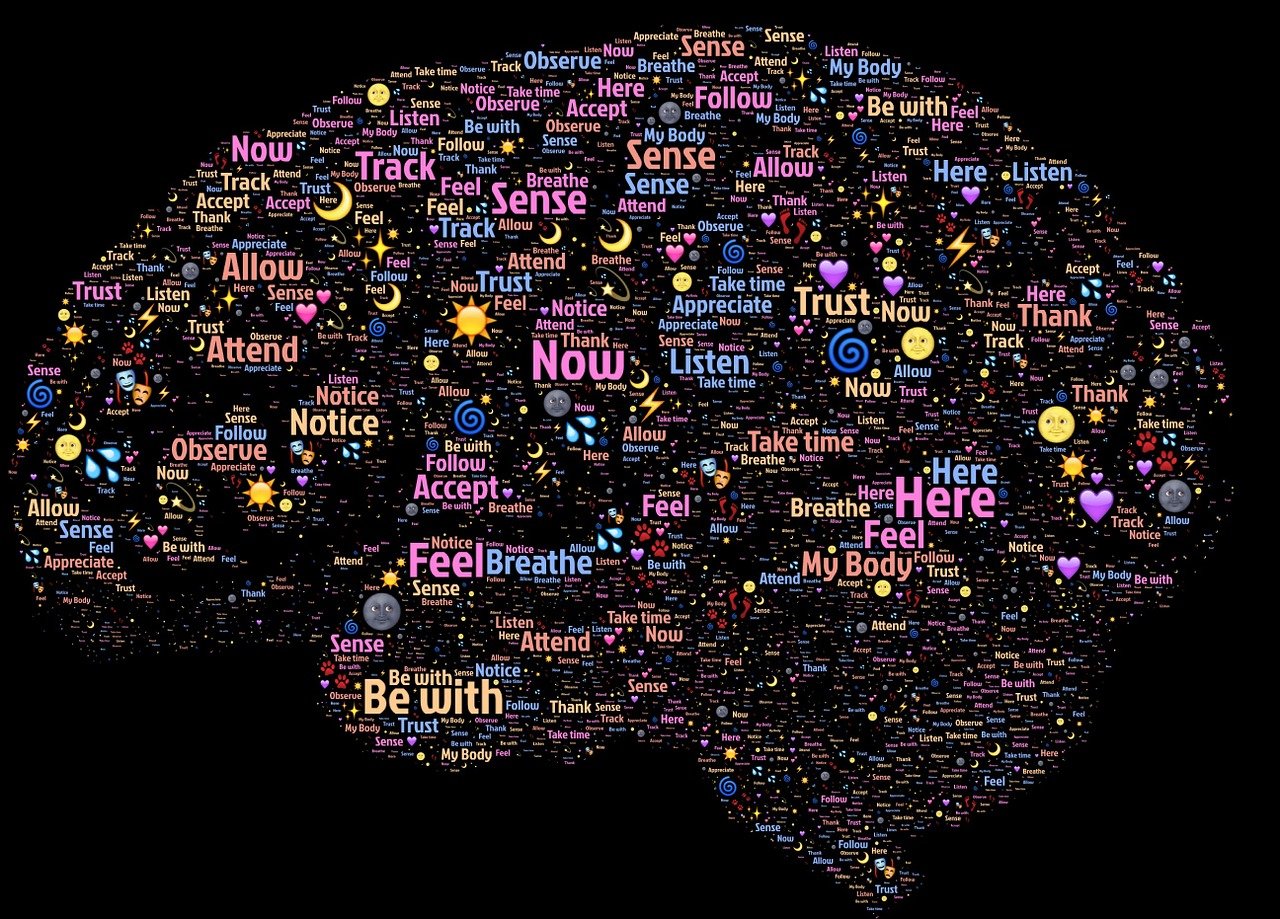

Neuroplasticity in Aging: The Protective Effects of Regular Exercise
Neuroplasticity, the brain’s ability to reorganize itself, plays a significant role in aging. Studies reveal that regular exercise can enhance neuroplasticity and counter cognitive decline. As people age, their brains naturally undergo changes, leading to slower processing speeds and increased memory loss. Engaging in physical activities triggers the release of neurotrophic factors, which are essential for neuron growth and survival. Moreover, exercise aids in improving blood circulation to the brain, which enhances nutrient and oxygen delivery, thereby supporting cognitive functions. A consistent exercise routine can foster a healthier brain environment, significantly reducing the risks associated with neurological disorders. This lays the groundwork for better learning and memory retention, as exercising promotes beneficial changes in the brain structure through consistent activity. Specifically, aerobic exercises have shown a remarkable link with gray matter volume in critical areas related to memory and learning. Thus, it is evident that the synergy between exercise and neuroplasticity not only aids in maintaining cognitive health but also establishes a preventative approach against age-related cognitive impairment. It is paramount that individuals prioritize physical activity to secure cognitive prowess well into their golden years.
The Impact of Regular Exercise on Brain Structure
Regular exercise influences not just the overall health but specifically the brain’s structure, leading to improved cognitive functions. Engaging in physical activity stimulates the production of brain-derived neurotrophic factor (BDNF), a protein crucial for the survival of neurons. This protein plays a pivotal role in neuroplasticity by promoting the growth of new neurons, particularly in the hippocampus, an area essential for learning and memory. As one integrates aerobic activities into their routine, they may experience increases in hippocampal volume, which can be directly associated with cognitive enhancement. Furthermore, strength training has equally shown positive effects on brain health, likely through improving mood and mental agility, both of which contribute to improved cognitive functions. Physical activities create an enriched environment that boosts brain development and connectivity. These changes can lead to faster neural processing capabilities and better emotional regulation in aging adults. Importantly, the critical findings surrounding exercise and brain health highlight the potential for decreasing risks of cognitive disorders such as Alzheimer’s. As a result, engaging regularly in physical activities may provide significant long-term benefits for mental clarity and overall brain health as individuals age.
The relationship between physical fitness and mental health during aging is profoundly reciprocal. Regular exercise not only boosts brain function but also enhances emotional well-being, reducing feelings of depression and anxiety. Studies have established that older adults who engage in consistent physical activity demonstrate greater resilience against stress, which is particularly important as one ages. Exercise releases endorphins, often referred to as ‘feel-good’ hormones, which help combat feelings of sadness or anxiety. The improved self-esteem resulting from increased physical activity enables older adults to continue pursuing social engagements, vital for maintaining strong social connections that further promote mental health. Importantly, being physically active aids in better sleep patterns, resulting in improved mood stability and cognitive function. Moreover, joint activities, such as group exercises or sports, foster social interaction, enhancing community bonds and support networks. This social element of exercise is critical, particularly in combating isolation among older adults. These combined effects illustrate that a commitment to regular physical activity yields not only physical but also emotional and cognitive benefits, creating a holistic approach to healthy aging. Therefore, fostering a culture of regular exercise among aging populations could significantly enhance their quality of life.
Neuroplasticity and Cognitive Resilience
Understanding the link between neuroplasticity and cognitive resilience is essential for promoting optimal aging. Cognitive resilience refers to the brain’s ability to withstand age-related changes and trauma, maintaining functional abilities despite challenges. Regular exercise enhances this resilience by fostering neuroplasticity, which equips the brain to adapt to changes more effectively. Specifically, exposure to new and varied exercises can create novel neuronal connections, reinforcing pathways that support memory and learning. This consistency not only reinforces existing capabilities but also builds new cognitive strategies, leading to improved adaptive skills and problem-solving abilities in everyday life. Engaging in multifunctional workouts, such as dance or martial arts, provides not only physical challenges but also cognitive tasks, which can be beneficial in promoting brain engagement. Additionally, these activities require coordination, balance, and memory, which collectively create a stimulating environment for cognitive development. Importantly, a resilient brain can better respond to stressors, whether from everyday life or inherent aging challenges, allowing older adults to navigate transitions more smoothly. In conclusion, promoting regular exercise as a tool for enhancing neuroplasticity provides cognitive benefits that significantly contribute to lifelong brain health.
Regular physical activity is linked with improved executive functions, key components in efficient cognitive processes. Executive functions encompass a range of mental skills, necessary for goal-directed behavior, problem-solving, and decision-making. Studies indicate that cardiovascular exercises, such as running or cycling, particularly enhance these functions in older adults. Engaging in exercise regularly shines a light on routines that challenge the brain while potentially decreasing the risk of cognitive impairments, including dementia. Moreover, implementing exercises that require strategic planning or multitasking can stimulate cognitive demand, propelling brain health forward. Engaging with puzzles or brain games alongside physical activities can compound these benefits, creating a holistic brain workout. As older individuals maintain a focus on promoting brain health, understanding the integration of cognitive tasks within exercise routines becomes vital. Interestingly, older adults who actively engage in complex movements or learn new skills exhibit marked improvements in their cognitive flexibility and processing speed. Therefore, encouraging such multifaceted engagement during physical activities offers dual benefits – enhancing not only physical fitness but also cognitive capacities, which are crucial for maintaining independence and quality of life as people age.
The Role of Community in Exercise and Aging
The social aspects of exercise are particularly important as they encourage regular participation in physical activities among older adults. Group classes or recreational sports leagues can create social networks that enhance accountability and motivation, ultimately promoting a physically active lifestyle. Social support plays a crucial role in sustaining exercise regimens. The companionship found in group workouts or community programs fosters a sense of belonging and reduces the feeling of isolation that can often accompany aging. Additionally, shared experiences promote the establishment of friendships, providing emotional encouragement and enhancing mental health. This communal environment can make exercise more enjoyable, benefitting sustained engagement in physical activities. Furthermore, local community centers often provide access to various classes targeting different fitness levels, ensuring inclusive participation. Regular contact with peers also facilitates cognitive engagement, as discussions and shared learning during activities can further promote brain health. Understanding the collective benefits of community involvement in exercise is vital for older populations. Therefore, creating a supportive community space that encourages exercise ensures not only a boost in physical health but also fosters valuable social connections that significantly improve the overall aging experience.
The intersection of nutrition and exercise is fundamental when discussing neuroplasticity and cognitive health. A balanced diet rich in antioxidants, healthy fats, and essential nutrients further enhances the benefits derived from regular exercise. Nutrients such as omega-3 fatty acids are known to help decrease brain inflammation and promote neurogenesis, which is the formation of new neurons. The combination of a healthy diet and regular physical activity can lead to improvements in mood and cognitive function while reducing the aging effects on the brain. Hydration also plays a crucial role in maintaining optimal brain performance, as even mild dehydration can impair cognitive abilities. Elderly individuals are often at risk of inadequate fluid intake, emphasizing the need for awareness around hydration and nutrition. Incorporating nutrient-dense foods into daily meals can support both brain and body health, creating a balance necessary for optimal aging. Therefore, seniors should coordinate their physical fitness routines with nutritional strategies to fully leverage the protective effects of exercise on neuroplasticity. In conclusion, addressing both exercise and nutrition can transform holistic aging practices, ensuring vitality and cognitive sharpness during the later stages of life.
In summary, regular exercise has a remarkable impact on neuroplasticity and cognitive health, especially as individuals age. The brain’s ability to adapt and reorganize through neuroplasticity is vital for maintaining cognitive function, emotional well-being, and overall health. Engaging in physical activities supports the release of neurotrophic factors that promote neuron growth, enabling healthy connections within the brain. As aging continues to present challenges for mental acuity and emotional resilience, understanding the significance of an active lifestyle becomes paramount. A commitment to regular exercise not only optimizes brain functions by enhancing neuroplasticity but also integrates social connections that foster community support and motivation. Additionally, a balanced approach involving nutrition can further amplify the cognitive benefits of exercise. By prioritizing physical activity, individuals can effectively diminish the risks of cognitive decline, reinforcing the importance of lifestyle choices impacting brain health over time. Ultimately, empowering older adults with knowledge and resources to engage in fitness activities ensures that they maintain their cognitive capabilities while enjoying a fulfilling life. As society progresses, it is essential to recognize the interconnectedness of exercise, neuroplasticity, and healthy aging, collectively contributing to improved mental and emotional health outcomes.