
Correct Form for Popular Strength Training Machines
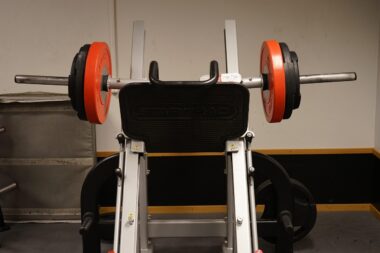
Understanding the proper form when using strength training machines is essential to maximizing gains and minimizing injury risks. Machines such as the leg press, lat pull-down, and chest press are widely incorporated into workouts. Observing the correct posture can enhance muscle engagement and provide stability during exercises. When using the leg press machine, ensure your back is flat against the seat. Place your feet shoulder-width apart on the platform, and adjust the seat so your knees are aligned with your feet for safety. Slowly push through your heels to extend your legs while keeping a slight bend in your knees at the top. In the lat pull-down, grip the bar with a wider than shoulder-width stance. Sit tall, engage your core, and pull the bar to your upper chest while squeezing your shoulder blades together. It’s crucial to avoid using momentum; the movement should be controlled. Lastly, when situated on a chest press machine, keep your back pressed into the seat, with feet flat on the ground. Ensure your elbows are at a 90-degree angle at the lowest point. Following these guidelines can greatly enhance your workout experience.
Importance of Equipment Adjustments
Each strength training machine has components that can be adjusted to suit your body. Properly adjusting the equipment ensures that your movements are performed in a safe and effective manner. This concept begins with seat height adjustments on machines such as the leg press and chest press. Lowering or raising the seat accommodates your height and limb length, allowing for optimal range of motion. In addition, ensure the lap support is comfortable and securely positioned behind your back before executing any movements. This adjustment alleviates pressure on the spine and hips, which can lead to injuries if neglected. Next, focus on foot placement when utilizing machines. Placement needs to be relevant to muscle engagement – for instance, a higher foot position on the leg press emphasizes glutes and hamstrings, while a lower position targets quads. Don’t forget to adjust the weight gradually to prevent straining your muscles. Start with lighter weights to practice form before progressing. Lastly, familiarizing yourself with machine instructions can help with usage. Overall, adjusting machines before use is fundamental to achieving an effective workout.
Key Exercises and Their Benefits
Familiarizing yourself with specific strength training machines can help you target various muscle groups effectively. Machines not only facilitate workouts for beginners but also allow for great versatility in exercises. The leg press is an effective option; it strengthens quads, glutes, and hamstrings without placing excessive strain on your lower back. Each set should be executed with variety in mind – for instance, switching foot placements can focus on different muscles. Another beneficial machine is the lat pull-down, which develops the muscles in your back and arms. Make sure to control the weight and follow through on each rep for effective training. Similarly, the chest press machine is essential for building strength in the chest and triceps, aiming for controlled movements. The seated row machine also deserves attention; it targets the mid-back and biceps effectively, making it a compound exercise that increases overall upper body strength. Lastly, incorporating machines like the leg curl and glute machine can enhance isolation work. By focusing on specific equipment, you can build strength effectively, ensuring balanced muscle development during your fitness journey.
Aside from targeting specific muscle groups, strength training machines can also enhance your overall fitness levels significantly. Regularly utilizing them can lead to benefits beyond just muscle and strength gains. Firstly, they can improve your cardiovascular health indirectly through increased muscle activity. As your muscles get stronger, your overall metabolism improves, aiding in better heart health. Secondly, consistent strength training can lead to enhanced coordination and balance, helping to prevent injuries during various daily activities. As you work on the machines, your core engages more, leading to better stabilization and improved body awareness. Moreover, strength machines provide a lower risk of injury when compared to free weights, especially for beginners. Since machines guide movements along a designated path, it reduces the chances of poor form. Flexibility is also boosted as muscles are stretched and contracted during these exercises. Ultimately, incorporating a balance of machine workouts alongside other training styles will lead to a comprehensive fitness routine. Emphasizing strength training with a calculated approach can ultimately produce desired long-term results.
Common Mistakes to Avoid
When using strength training machines, avoiding common pitfalls can make a significant difference in your workouts. One frequent mistake is using too much weight, resulting in compromised form and habits that may lead to injuries. It is crucial to prioritize your form over the amount of weight lifted; selecting a manageable weight allows you to master techniques before progressing. Another common error is neglecting to adjust the machines to fit your body correctly, which can lead to misalignments during workouts. As highlighted earlier, proper settings are essential for safety and effectiveness. Furthermore, failing to warm up adequately before starting strength training can lead to sore muscles or injury. A proper warm-up prepares your body for exertion by increasing blood flow and flexibility. Also, some individuals rush through their reps, sacrificing form for speed. It’s important to take time to control movements throughout the exercise to engage muscles effectively. Lastly, many users forget to breathe properly during exercises – inhaling during effortful stages and exhaling during the release phase. Being aware of these common pitfalls can lead to improved performance and safer workouts.
Tracking Progress and Results
Tracking progress can significantly enhance your strength training experience, allowing you to make adjustments as needed. Using a fitness journal or app to document workouts can help you identify what works best. This documentation can include machine settings, weights, reps, and sets. Regularly reviewing these notes help you assess your growth over time. Additionally, recording any feelings or sensations during workouts can provide insights into performance levels and areas for improvement. Establishing specific short and long-term goals will create a roadmap for your training. For example, aiming to increase weights or reps weekly can challenge your muscles and foster growth. It is also beneficial to take progress photos periodically; visually recognizing improvements may boost motivation levels. Make sure to reevaluate your progress regularly, adjusting your goals based on performance. Lastly, consider consulting with a fitness professional to assess form and provide recommendations for improvement. Tracking and adjusting your workout routines helps maximize effectiveness while promoting a structured approach that leads to a strong and toned physique, ultimately achieving the desired fitness outcome.
In conclusion, understanding and implementing the correct form in using strength training machines is imperative for anyone aiming to improve their fitness journey. Not only does it expand your knowledge of equipment, but it also translates to better muscle engagement and reducing the risk of injuries. By adjusting machines to fit your unique body characteristics, you’ll set the foundation for safe workouts. Moreover, tracking your progress empowers you to stay accountable and motivated as you move forward. Do not overlook the importance of adhering to proper form, gradually increasing weight, and keeping a consistent workout schedule. It is crucial to distinguish that fitness is an ongoing journey of learning and improvement. There is no one-size-fits-all, and every individual must find the balance that works best for them. Incorporating these guidelines into your training will pave the way for optimal results, allowing you to reach new milestones in your strength training endeavors. With dedication and persistence, it is conceivable to transform both your physique and overall health, crafting an achievable path towards your ultimate fitness goals.
Nutrition and Recovery
Nutrition plays a vital role in maximizing the benefits of strength training machines. Eating balanced meals will fuel your workouts and aid in recovery. A diet rich in protein is paramount for building muscle. Incorporate sources such as lean meats, dairy, legumes, and plant-based proteins. Aim to consume protein within 30 minutes after exercising to kickstart the recovery process. Carbohydrates are equally essential; they supply energy to be utilized during workouts. Include complex carbs such as whole grains, fruits, and vegetables into your meals to enhance stamina and energy levels. Additionally, healthy fats are critical for overall well-being and should be integrated into your diet through sources like avocados, nuts, and olive oil. Hydration cannot be overlooked either. Drinking sufficient water before, during, and after workouts helps maintain performance levels and supports recovery. Aim for at least eight glasses daily, adjusting based on activity levels. Allowing your muscles adequate recovery time between sessions is crucial to avoid fatigue and injury. This emphasizes the importance of consistency not only in workouts but also in nourishing your body for optimal performance.