
Cholesterol Myths That Could Affect Your Mental Health
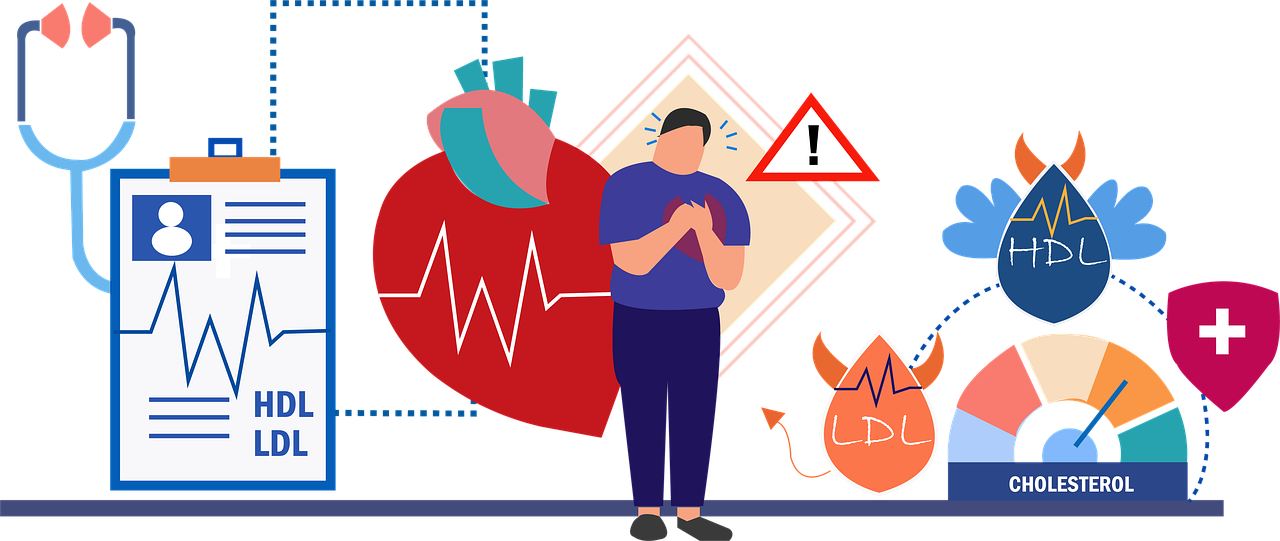
Cholesterol has been vilified for decades, creating numerous myths about its impact on health. One of the biggest misconceptions is that all cholesterol is bad, leading many to believe they should avoid dietary cholesterol entirely. In truth, cholesterol is vital for our bodies, contributing to several necessary functions, including hormone production and cell membrane integrity. Understanding the difference between low-density lipoprotein (LDL) and high-density lipoprotein (HDL) is crucial. LDL, often labeled as “bad cholesterol,” can lead to arterial blockages, while HDL, or “good cholesterol,” helps remove excess cholesterol from the bloodstream. This overwhelming fear of cholesterol often causes individuals to make drastic dietary changes that can affect overall mental health, as fulfilling and balanced diets are essential for good brain function. Studies show a correlation between low cholesterol levels and increased depression rates. Therefore, it’s essential to differentiate between harmful and beneficial types of cholesterol for maintaining mental well-being. Being well-informed can help reverse anxiety around cholesterol consumption, leading to a healthier relationship with food and nutrition.
Another prevalent myth is that eating foods high in cholesterol directly raises your blood cholesterol levels. Recent studies indicate that for most people, dietary cholesterol has a minimal effect on blood cholesterol. Our bodies produce cholesterol based on our dietary intake, adjusting the production accordingly. Therefore, while foods like eggs and shellfish contain high levels of cholesterol, they don’t necessarily result in higher blood cholesterol for everyone. Instead, the intake of saturated fats plays a more significant role in influencing overall cholesterol levels. Opting for heart-healthy fats, like those found in avocados and olive oil, can improve your cholesterol profile without adverse effects. Moreover, a balanced diet rich in fruits, vegetables, whole grains, and lean proteins contributes to better overall health and mental clarity. Myths around dietary choices can lead to unnecessary restrictions, potentially triggering anxiety or worsening mental health conditions. Therefore, it’s vital to approach nutrition with a balanced perspective, understanding that moderation is key. By remaining informed and resilient against dietary myths, individuals can foster healthier lifestyles aligned with both physical and mental well-being.
The Relationship Between Cholesterol and Mental Health
The widely held belief that high cholesterol directly causes cognitive decline is overly simplistic. In fact, cholesterol is essential for brain health, playing a significant role in the formation and maintenance of synapses, which are vital for learning and memory. Low levels of cholesterol have been associated with anxiety and depressive disorders, suggesting that cholesterol may have a protective function in mental health. Individuals who adopt low-cholesterol diets without proper guidance might be depriving their brains of essential nutrients, potentially spiraling into mood-related issues. This connection between cholesterol levels and mental health is often overlooked, leading to the perpetuation of myths that associate cholesterol with cognitive impairment. Instead of prioritizing low cholesterol at all costs, individuals should focus on understanding the overall cholesterol balance in their diets and its implications for mental wellness. Omega-3 fatty acids, for instance, can positively impact both cholesterol levels and brain function. Thus, a nuanced understanding of cholesterol can empower individuals to make better dietary choices that optimize both physical and psychological health.
Another myth related to cholesterol pertains to the age-old notion that all fats are harmful. In actuality, fats are crucial for maintaining health and well-being, as they provide energy and support various bodily functions. Particularly, unsaturated fats, found in nuts, seeds, and fatty fish, can improve cholesterol levels and reduce inflammation in the body. Conversely, trans fats and excessive saturated fats can lead to health problems, reinforcing the idea that not all fats are created equal. When individuals erroneously eliminate all fats from their diets in an attempt to reduce cholesterol, they may inadvertently harm their mental health. Healthy fats contribute to hormone regulation, including those that affect mood and cognition. Research indicates that omega-3 fatty acids, for instance, may help alleviate symptoms of anxiety and depression. Recognizing the importance of good fats not only educates individuals on cholesterol management but also fosters a healthier attitude towards dietary fat. A wise balance of fats in one’s diet is essential for both heart and mental health, highlighting the need for a nuanced understanding of nutrition.
Impact of Stress and Lifestyle on Cholesterol
A common myth is that stress has no direct link to cholesterol levels. However, scientific studies have shown that chronic stress can contribute to unhealthy lifestyle choices, such as poor eating habits and lack of physical activity, ultimately affecting cholesterol levels. When individuals are stressed, they might turn to comfort foods high in saturated fat and sugar, further exacerbating cholesterol concerns. Additionally, stress can lead to neglecting regular physical activity, resulting in unbalanced cholesterol levels. The relationship between stress and cholesterol highlights the importance of addressing mental well-being as part of any strategy to manage heart health. Finding effective methods for stress management, such as exercise, mindfulness, or therapy, is crucial for maintaining a healthy cholesterol level. Understanding the connection between lifestyle factors, mental health, and cholesterol can empower individuals to make better choices, benefitting overall health. It becomes essential to view cholesterol management as a holistic endeavor where mental, emotional, and physical health interconnect. By managing stress effectively, individuals can promote balanced cholesterol levels alongside improved mental wellness.
Dietary supplements are frequently marketed as solutions to cholesterol management, but misconceptions abound about their effectiveness. One common belief is that simply taking a supplement can negate poor dietary choices. While certain supplements, like fish oil and plant sterols, can support healthy cholesterol levels, they should not replace balanced eating habits. Whole foods provide essential nutrients that supplements alone cannot replicate. Thus, relying solely on supplements may lead to nutritional imbalances, affecting mental health and cognitive function. Nutritional strategies that prioritize whole foods over supplements encourage individuals to engage more meaningfully with their diets, fostering a positive relationship with food and wellness. It’s also essential to consult medical professionals before starting any supplementation regimen, as individual needs vary widely. Uninformed supplement choices can lead to adverse side effects or interactions with medications. Fostering awareness about the complexity of nutrition, including the role of supplements, is crucial for effective management of cholesterol levels. Embracing a comprehensive and personalized approach to nutrition yields the best outcomes for both physical and mental health, making it vital for individuals to educate themselves about all available options.
Conclusion on Cholesterol and Mental Health
In summary, the pervasive myths surrounding cholesterol can adversely impact mental health. By understanding that not all cholesterol is harmful and recognizing the roles different types of cholesterol play, individuals can make informed dietary choices that benefit their physical and mental well-being. It’s important to debunk the misconception that all fats are bad and instead emphasize the importance of healthy, balanced fats in a diet. The links between stress, lifestyle choices, and cholesterol further illuminating the role mental well-being plays in managing heart health. Moreover, a prudent approach to dietary supplements ensures that individuals receive the necessary nutrients to support both bodily and mental functions. Education is paramount in navigating the confusion surrounding cholesterol, enabling individuals to take control of their health. By balancing dietary intake, managing stress, and incorporating healthy fats into meals, people can support their cholesterol levels alongside mental clarity and emotional stability. Fostering a healthy relationship with food and nutrition should be the primary goal for everyone aiming to enhance both physical and psychological health, promoting mindfulness in dietary pursuits.
Misinformation on cholesterol is widespread, yet arming oneself with knowledge can significantly empower your nutritional choices. Advocating for a balanced approach to health is crucial. Focus on the types of fats you consume, the overall quality of your diet, and understanding the balance of cholesterol. High cholesterol doesn’t have to be a life sentence, but rather part of a larger conversation about heart and mental health. Active engagement with these topics can facilitate better emotional and physical health outcomes. Ultimately, nutrition is a valuable tool that assists you in cultivating a better lifestyle, understanding how to leverage both dietary choices and lifestyle transformations for improved health. With continuous education, individuals can debunk myths surrounding cholesterol while fostering a balanced perspective on nutrition. Elevating the quality of your diet while eliminating unnecessary anxieties over cholesterol can lead to mental well-being. The journey towards achieving better health is ongoing and requires an active and informed approach. By embracing balanced eating, stress management, and regular physical activity, individuals can transform their relationship with food, cholesterol, and overall health.