
Upcoming Fitness Wearables Designed for Every Athlete
The world of fitness technology is evolving rapidly, with wearables at the forefront of this evolution. Athletes are always on the lookout for devices that can enhance their performance and provide valuable insights into their training. Upcoming fitness gadgets promise to deliver innovative features that cater to various types of athletes. These devices are not limited to tracking heart rate or calories burned; they now include advanced metrics that analyze performance deeply. Technology companies are listening to the demands of athletes, integrating cutting-edge features that help improve training efficiency and outcomes. One major trend is the hydration sensor that ensures athletes stay optimally hydrated during workouts, allowing for better endurance and performance. Wearables will feature adjustable fit options, ensuring comfort during intense training sessions. Additionally, data sharing with coaches and teams will streamline training protocols and enhance performance monitoring. Innovations in battery life and build quality will cater to outdoor athletes who require durability and longevity from their devices. This year promises to bring exciting releases that will significantly shape how athletes train, recover, and perform.
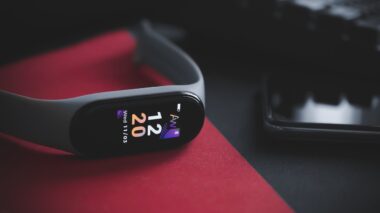
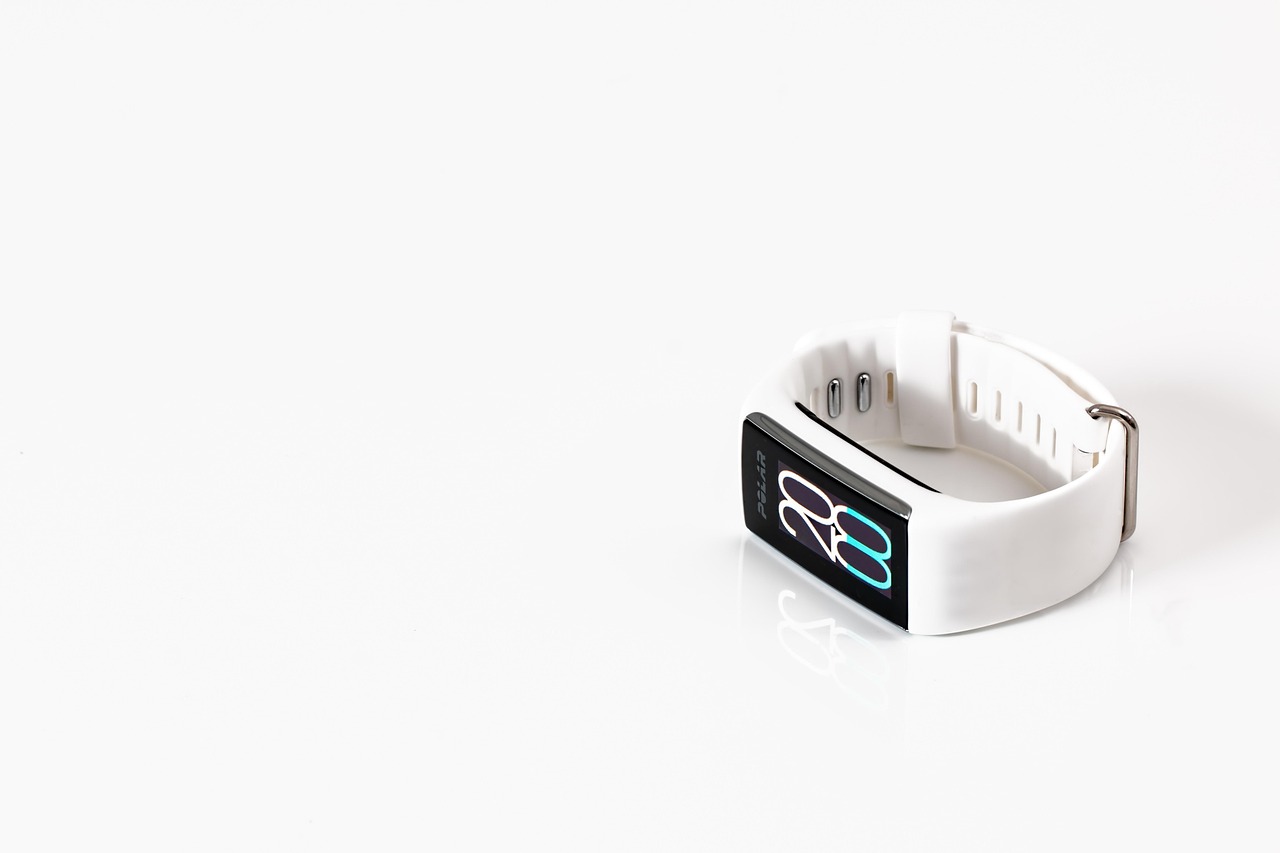
With the rise in popularity of fitness technology, various brands are emerging with promising gadgets to accommodate every athlete’s needs. One exciting gadget on the horizon is the updated version of smart fitness bands that include more sophisticated health metrics. The latest models are designed to monitor blood oxygen levels, sleep quality, and stress factors throughout the day. These features are crucial for athletes who regularly undergo rigorous training regimens. Moreover, many new wearables are becoming extremely accurate with GPS tracking, making them ideal for runners and cyclists. In addition, heart rate variability monitoring will enable athletes to understand their body’s readiness to train. Another anticipated release is the smart shoes equipped with sensors to provide real-time feedback on form and technique. These shoes will offer actionable insights to each athlete, leading to optimized performance. Companies are also focusing on style, ensuring that these high-tech gadgets are fashionable as well as functional. From gym enthusiasts to triathletes, there’s a new gadget poised to support every athlete in achieving their individual fitness goals. All these features combined showcase a promising future for fitness gadget releases.
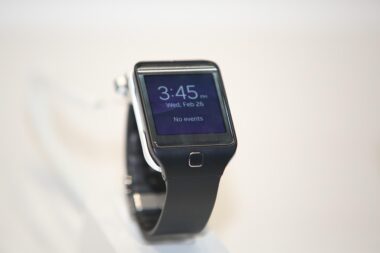
As we explore the landscape of upcoming fitness gadgets, we find that smart clothing is set to play a pivotal role in the evolution of wearable technology. These innovative garments are embedded with sensors that provide detailed metrics on muscle activity, body temperature, and even biomechanical analysis. Athletes will benefit from real-time data that can help them fine-tune their performance and recovery routines. These garments aim to provide maximum comfort while functioning efficiently, ensuring that the athlete’s movement is never hindered. Smart shirts and leggings that can measure heart rate and calories burned will likely appeal to a broader audience. Another breakthrough gadget to anticipate is the smart fitness watch, which will feature enhanced AI capabilities for personalized fitness coaching. These devices will analyze user data to suggest workout routines tailored to individual fitness levels. Beyond performance metrics, they will also integrate nutrition tracking, helping athletes manage their dietary intake effectively. The addition of social features will allow users to interact with their peers, enhancing motivation and accountability. Clearly, smart clothing and fitness watches combined push the boundaries of how athletes engage with their training.
The Integration of AI in Fitness Gadgets
Artificial Intelligence (AI) is transforming the fitness technology sector, with new devices coming equipped with advanced AI capabilities to enhance user experiences. AI-powered gadgets can learn user behavior, preferences, and goals, offering a tailored fitness journey unique to each individual. For example, AI fitness trainers will provide personalized workout plans while adapting them based on real-time feedback and performance data. These plans will evolve alongside the user, presenting challenges as they progress and achieve new goals. Furthermore, the emotion recognition feature can evaluate an athlete’s mood based on biometric data, suggesting workouts that align with their mental state. This integration will lead to smarter recovery recommendations and suggestions for mindfulness exercises. Additionally, AI can optimize energy expenditure tracking, allowing users to understand better how efficiently they are burning calories during workouts. As developers seek to incorporate more user-centric design principles, we can expect to see even more advanced analytics capabilities in future releases. The role of AI in upcoming fitness gadgets signifies a move toward more personalized fitness experiences aimed at achieving maximal results.
Moreover, safety features are becoming a priority for new fitness gadgets, attracting attention from both competitive and casual athletes alike. Manufacturers are integrating technology that ensures user safety during outdoor activities, like incident detection and location tracking. Such features can provide peace of mind for athletes who indulge in solo training sessions in remote areas. In the unfortunate event of an accident or health incident, these devices can send alerts to emergency contacts with precise location information. This integration of safety technology elevates the standard for fitness wearables, aligning with the growing emphasis on user welfare. Complementary to this, several gadgets will include environmental sensors to inform users about air quality, temperature, and UV exposure, allowing athletes to make informed decisions before heading outside. Balanced training combined with external alerts can lead to significantly improved overall well-being. Additionally, synchronization with smart home devices will transform fitness experiences by allowing seamless transitions between workouts and rest periods. As upcoming wearables prioritize safety and wellbeing, they enhance athletes’ confidence and capability, enabling them to focus on achieving their best.
The Future of Fitness Wearables
Looking ahead, the impact of upcoming fitness gadgets on the athletic community will be profound. With the constant evolution of technology, athletes will have access to tools that were once considered science fiction. The emergence of smart treadmills that adjust their settings based on observed performance metrics will transform indoor workouts. Additionally, advancements in communication technology will enable gadget synchronization with other health and fitness apps, forming a comprehensive overview of an athlete’s progress. Integration with popular social media platforms will create opportunities for athletes to share achievements and stay motivated through community support. Data analytics dashboards will provide insights into long-term progress, empowering athletes to optimize training and nutritional habits continually. Furthermore, we can expect a surge in wearable devices designed specifically for niche sports, catering to unique needs across a broader range of activities. All these advancements will contribute to a paradigm shift in how athletes think about training and performance. They will no longer solely rely on traditional methods but will embrace a data-driven approach that leverages technology to gain a competitive edge.
Ultimately, the upcoming releases of fitness gadgets signify a significant step forward in sports science and technology. As manufacturers unveil these innovative products, the lineup promises to encompass everything from compact designs to the latest in performance analytics. The anticipated launch of these devices will coincide with an increased awareness of health and wellbeing, emphasizing how technology can support not just athletes but everyone seeking to enhance their fitness journey. Safety and efficacy will always come to the forefront as technology progresses, enabling users of all skill levels to engage better with fitness goals. Efforts such as engaging user interfaces and user support systems will enhance the overall user experience, particularly for those new to fitness technology. As these wearables offer accurate insights and feedback, they will also adapt and learn alongside athletes, creating ongoing engagement. The future of fitness technology points to a world where every athlete, regardless of experience or resource, can access valuable fitness insights tailored to their individual journey. This evolving landscape is sure to make fitness more inclusive, rewarding, and successful for all.