
Snatch Balance Drills: Building Confidence Under the Bar
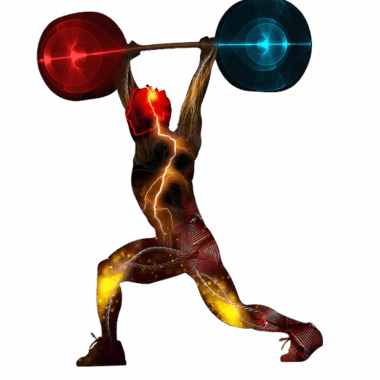
The snatch balance is an essential drill for weightlifters, particularly for developing the technique required to perform the snatch effectively. This drill focuses on the stability and positioning of the lifter under the barbell during the snatch. It is primarily designed to enhance strength, mobility, and confidence when executing the snatch movement. When approaching the snatch balance, lifters should start with an empty barbell before progressing to heavier weights. Proper form and technique are crucial to ensure safety and effectiveness during this drill. The snatch balances begin in a split stance or full squat position, with the bar overhead. Performing this drill allows athletes to push themselves mentally and physically, reinforcing the importance of being comfortable in the receiving position. Regular practice of the snatch balance will help foster the ability to catch the bar effectively, which is a critical aspect of successful snatching. Gradually increasing weight ensures that lifters build the confidence necessary to perform the snatch under load while maintaining proper technique and alignment throughout the entire movement sequence.
Incorporating a variety of drills can enhance the effectiveness of your snatch balance training. Lifters should utilize sets of different exercises, such as overhead squats and high pulls, to compliment the snatch balance drill. These complementary exercises help develop balance, strength, and confidence under the bar. Performing the snatch balance requires excellent overhead mobility. Additionally, lifters must possess the core strength necessary to stabilize themselves on the way down, making mobility and core strength equally important in preparing for successful snatch execution. Focusing on snatch balance drills progressively builds muscle memory that translates directly to improved performance in the full snatch. Begin with lighter weights; then, as confidence grows, slowly increase the load to mimic the demands of a competition lift. Consistency in practice is key, as frequent training will reinforce proper positioning and timing. Lifters are more likely to achieve their snatch goals as they continue refining their technique. Supplementing snatch balance drills with strength training and flexibility workouts further aids in improving the overall snatch performance.
Techniques for Effective Snatch Balances
To maximize the benefits of the snatch balance drill, specific techniques should be followed. A proper setup begins with the athlete standing tall, gripping the barbell slightly wider than shoulder-width apart. This grip enhances stability as the bar transitions overhead during the descent. As they prepare, lifters are advised to lower themselves into a quarter squat, keeping the barbell positioned overhead with locked elbows. This ensures a strong receiving position, which is essential for catching the bar. When executing the movement, it’s vital to keep the body aligned and to engage the core, utilizing a strong athletic posture. Effective snatch balance execution requires quick feet. Lifters should actively drive their feet apart as they squat down, landing in a stable position beneath the bar. This helps create a solid base for catching the weight while maintaining balance. It is important to not rush through the movement; instead, athletes should focus on executing each phase intentionally and to focus on breathing synchronously with each rep. This technique fosters both confidence and stability as athletes practice under varying loads.
Besides basic techniques, form checks can significantly enhance snatch balance proficiency. Regularly reviewing recorded footage of your snatch balances serves as an effective learning tool. Lifting partners or coaches can provide valuable feedback when observing key aspects of your form, which further refines techniques and induces confidence in the lift. Observing how the bar travels and how your body shifts can improve your understanding of effective movement patterns, thus minimizing future mistakes. Recognizing areas of struggle during training will allow for targeted improvement strategies. Visualization is also a powerful tool; mentally rehearsing the proper movements and positive outcomes can build confidence in their execution. Keeping a training journal is advised; recording daily progress not only tracks improvements but also reinforces commitment levels. Ultimately, self-assessment through both visual feedback and training logs can boost performance. Lifters who actively seek to refine their technique, while integrating various forms of feedback, will likely evolve to become more adept at snatch balances, paving the way for successful snatching in high-pressure situations. Committing to this process requires a dedicated mindset.
Building a Routine with Snatch Balance Drills
Developing an effective training routine that incorporates snatch balance drills is crucial to improving overall weightlifting performance. Athletes should consider frequency, intensity, and volume of these drills to meet individual needs. Typically, incorporating these drills at least two to three times a week will yield the best results, ensuring that they remain integrated into each training block. Athletes must not only focus on performance in the snatch but also allocate time to consistently practice snatch balance drills to enhance technique. Additionally, they are encouraged to schedule specific warm-up sets before attempting heavier weights as part of injury prevention. Focusing on gradually increasing the loads on the bar will allow lifters to safely build strength and confidence over time. Furthermore, integrating rest days helps promote recovery while maintaining a balanced approach. By alternating between heavier and lighter training days, athletes can avoid burnout while ensuring steady progress. Proper nutrition and hydration also play a substantial role in their training outcomes. When optimized with an effective weightlifting regimen, snatch balance drills can significantly improve an athlete’s overall performance in competitions.
In addition to physical preparation, mental strategies can enhance the effectiveness of snatch balance drills. By employing visualization techniques, athletes can mentally rehearse the movements they wish to recreate during the actual lift. Taking time to visualize a successful snatch balance can relieve anxiety while increasing confidence in the actual performance. Breathing exercises help athletes maintain focus and calmness during practice sessions. Staying mentally relaxed enables lifters to be more attentive to their form, thus enhancing overall performance. Implementing positive self-talk encourages a growth mindset, providing necessary motivation through challenging training phases. Reinforcing the idea that mistakes are part of growth can aid in managing expectations. Surrounding oneself with supportive training partners will also foster a positive training environment. Engaging in team discussions about progress can bolster motivation among athletes while fostering a sense of community. This social aspect of training can help alleviate feelings of isolation, encouraging lifters to stay consistent through coaching feedback and camaraderie. For weightlifters, integrating these psychological strategies alongside their training routine ensures a proactive approach in developing an effective snatch balance technique.
Tracking Progress with Snatch Balance Drills
Lastly, tracking progress is crucial in refining snatch balance techniques effectively. Athletes should document their weights as well as the reps and sets for each training session. Consistent tracking allows lifters to visualize trends in their performance, demonstrating their growth over time. Writing down their insights or lessons from each practice will reinforce the importance of focused training. Regular review of logged data can illuminate strengths and weaknesses, allowing for tailored adjustments to improve snatch balance effectiveness. Creating benchmarks can enhance motivation, encouraging athletes to strive for personal bests in each training phase. Additionally, assessing the emotional responses toward certain drills can help identify areas needing focus. Should specific drills evoke frustration, this indicates a need to revisit concepts or techniques to enhance comfort levels. Lifters should remain attentive to their progress while nurturing a positive outlook. Engaging in self-reflection fosters resilience in confronting setbacks. Progress requires patience and consistency, but with dedicated practice, lifters will notice improvements in their snatch balances and overall performance in competitions. These efforts result in noticeable gains in technical ability and confidence when lifting.
In conclusion, consistent practice through snatch balance drills is essential to supplement weightlifting techniques. These drills not only enhance physical performance but also build the necessary confidence for effective competition lifting. Engaging in proper techniques, maintaining a structured routine, employing mental strategies, and consistently tracking progress will all contribute to successful outcomes. Lifters who embrace this multi-faceted approach will notice significant improvements in their snatch performance while experiencing increased overall strength and proficiency under the bar. By acknowledging the importance of these drills, athletes set themselves on a path toward achieving their weightlifting goals through patience and dedication. Continuous refinement of snatch balances ultimately promotes adaptability and success amidst evolving challenges in training. As confidence develops, athletes may find themselves more comfortable under heavy loads, leading to better execution and less mental fatigue. With progress documented, they can appreciate their growth over time, reinforcing commitment to their training plans. By investing their time in snatch balance drills, lifters fortify their foundation, establishing stability and technique that translates directly into competition readiness. Overall, confidence under the bar isn’t merely a product of physical strength but rather a culmination of mental preparation and comprehensive practice.