
Innovative Adaptive Equipment for Exercise Post-Spinal Cord Injury
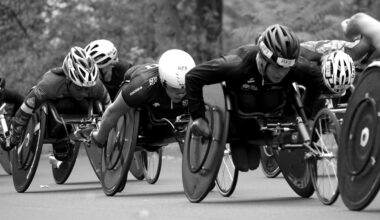
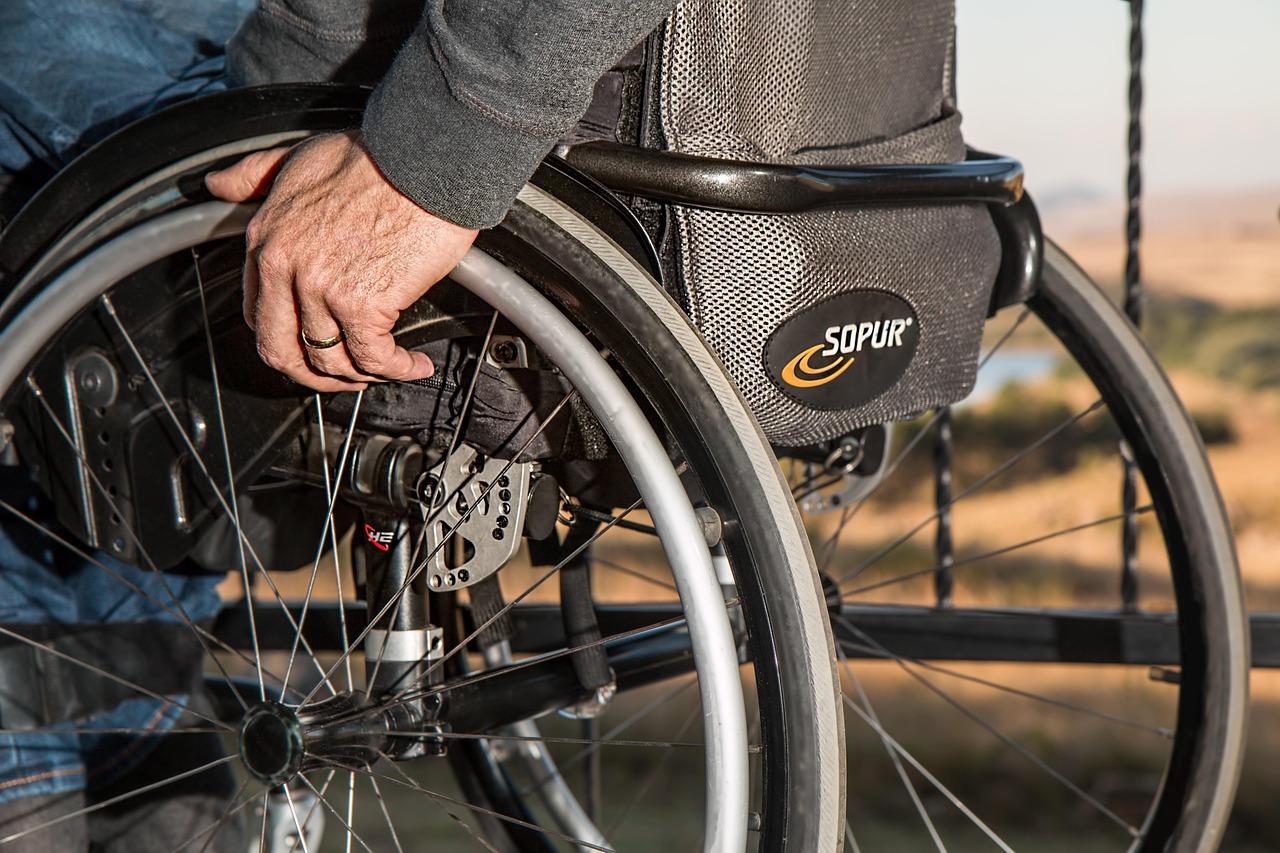
Spinal cord injuries (SCIs) can significantly impact personal mobility and overall physical health. Adaptive fitness equipment has emerged as a crucial component in rehabilitation and exercise for those with SCIs. Such devices not only promote physical recovery but also enhance the quality of life for individuals experiencing mobility challenges. For those with limited movement capabilities, engaging in regular exercise is essential for maintaining cardiovascular health, building strength, and improving overall well-being. Innovative adaptive fitness equipment is specifically designed to meet these needs, accommodating a wide range of physical abilities. Technologies incorporated into these devices can adjust resistance levels and track progress through integrated software. They aim to empower users to achieve personal fitness goals despite physical limitations. Furthermore, adaptive exercise routines have been shown to positively affect mental health, promoting social interactions and encouraging independence. The advancement in adaptive equipment helps ensure inclusivity in fitness environments, giving people with SCIs new opportunities to stay active and healthy. Therefore, exploring the diverse types of adaptive fitness equipment available can greatly benefit those dealing with the aftereffects of a spinal cord injury.
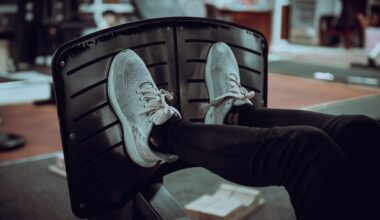
One of the most noteworthy advancements in adaptive fitness is the recumbent stepper. Unlike traditional machines, recumbent steppers allow individuals with limited mobility to engage in simulation of walking and running motions. This design accommodates users by providing back support, comfortable seating, and ergonomic pedals. Users can find an optimal workout intensity, which can be easily modified to fit their personal fitness level. Another innovative equipment is the arm cycle ergometer, allowing for upper body exercise without requiring lower limb involvement. Ergometer options often include adjustable height settings to enhance comfort and accessibility. Additionally, these arm cycles are equipped with programmable workout presets that maintain user engagement. This type of equipment not only builds strength but also stimulates cardiovascular health. Moreover, adaptive strength-training machines are essential for safely assisting spinal cord injury patients, enabling gradual weight progression. These units often include features like adjustable resistance and user-friendly interfaces. Achieving muscle activation through strength training is pivotal for improving mobility and functional independence. The development of specific programs tailored for wheelchairs further enhances access to these machines, making this equipment invaluable for recovery and fitness maintenance.
Hydrotherapy Equipment Innovations
Water-based therapies, known as hydrotherapy, have become a popular option for rehabilitation following spinal cord injuries. Resistance training in water provides a low-impact environment that minimizes stress on joints while allowing individuals to build strength. Innovative hydrotherapy equipment includes specialized aquatic wheelchairs designed to help users access pools. Also significant is the underwater treadmill, enabling individuals to walk against the resistance of water, enhancing their rehabilitation experience. Such devices come equipped with various settings adjusting speed and water level to meet different fitness levels and therapeutic goals. This versatility encourages water therapy participants to improve their movements gradually and build confidence. Other innovations in this area include buoyancy devices that assist users in floating or achieving stability while performing exercises in water. These flotation aids can be custom-fitted to individual needs. Moreover, educational strategies surrounding hydrotherapy help therapists design personalized programs tailored to the unique requirements of each patient. Incorporating hydrotherapy into regular fitness regimens can lead to noticeable improvements in overall health, muscle strength, and coordination. Therefore, adopting hydrotherapy through specialized equipment can significantly aid recovery and vitality following spinal cord injuries.
Another exciting advancement lies in virtual reality (VR) technologies, which have opened new horizons in adaptive fitness. VR systems can simulate various environments, making workouts more engaging for individuals with spinal cord injuries. Users can partake in gamified exercises that challenge them physically while offering motivation and enjoyment. VR also allows therapists to monitor progress in real-time, which can facilitate tailored rehabilitation programs. One popular application includes interactive VR cycling, where users can traverse visually stimulating landscapes from the comfort of their adaptive exercise bikes. This immersive experience encourages longer workout sessions, resulting in better fitness outcomes. Furthermore, adaptive fitness interfaces have evolved, incorporating tools that monitor heart rate, calories burned, and workout duration, giving users valuable feedback. Working with rehabilitation professionals, users can customize their VR fitness routines to focus on strength training, coordination, or endurance exercises. By harnessing the power of virtual reality technology, many individuals have reported a renewed sense of engagement with fitness after sustaining a spinal cord injury. The potential for further developments in this field signifies exciting times ahead for adaptive exercise solutions.
Community and Adaptive Fitness Initiatives
Community programs dedicated to adaptive fitness play a crucial role in forging networks that empower spinal cord injury survivors. These initiatives often provide inclusive spaces where individuals can participate in group fitness sessions, fostering a sense of belonging. Many organizations host events specifically designed to showcase innovative adaptive equipment, enabling participants to trial machines and discover the latest advancements. Workshops and series of classes led by experienced instructors also contribute to building confidence among users, educating them about how to use the equipment most effectively. This approach makes exercise accessible and enjoyable, leading to improved physical fitness and mental well-being. Additionally, community initiatives can help break down psychological barriers, encouraging social interactions among individuals facing similar challenges. Participants can celebrate one another’s progress while establishing friendships and support networks. The collaborative atmosphere nurtures motivation and accountability, resonating beyond physical fitness. Moreover, these initiatives often rely on community fundraising efforts, making adaptive equipment more readily available. It creates opportunities for individuals to explore adaptive fitness without the financial burden typically associated with purchasing specialized machines. Overall, community efforts play a vital role in enhancing the lives of those recovering from spinal cord injuries.
Moreover, technology is reshaping adaptive fitness through advancements in smart equipment. These devices integrate sensors and apps to monitor performance and generate detailed progress reports. Individuals can receive real-time feedback on their workouts, allowing them to adjust their routines according to their fitness goals. Adaptive treadmills with integrated balance support systems exemplify this trend, ensuring user safety during workouts. With various training modes as well as connected fitness app capabilities, users gain insights into their performance metrics. This smart technology encourages users to set personalized goals, maintain motivation, and celebrate improvements. One significant feature of smart adaptive equipment is the ability to connect users with online communities. They can share progress, compete in challenges, and seek advice from professionals and peers alike. This social aspect motivates individuals to stay engaged and active throughout their rehabilitation journey. Additionally, the continued development of accessible apps provides educational resources, schedules of group events, and tailored workout programs. Overall, the innovation in wireless connectivity and smart fitness technology presents exciting opportunities for spinal cord injury survivors, allowing for comprehensive, responsive, and tailored exercise experiences.
The Future of Adaptive Fitness
Looking ahead, the future of adaptive fitness for spinal cord injuries is promising. As technology continues to advance, new equipment designed to increase accessibility and effectiveness will emerge. Emerging trends indicate a growing focus on personalization, with future innovations likely to include adaptive machines that learn user preferences and adjust settings automatically. Researchers are exploring the possibilities of AI integration to further enhance the efficiency of adaptive workout programs. Collaborations among healthcare providers, engineers, and fitness professionals will be essential for developing cutting-edge solutions that meet the evolving needs of spinal cord injury survivors. Furthermore, advancements in material technology may lead to lighter, more durable fitness equipment, increasing portability and ease of use. Customizable design options could also enable individuals to modify machines according to their unique needs. Continued awareness and investment into adaptive fitness will be crucial as demand for inclusive exercise solutions increases. Moreover, ongoing research will likely drive the development of innovative strategies that incorporate technology in rehabilitation practices. Ultimately, cultivating an inclusive fitness culture will empower those with spinal cord injuries to prioritize their health and actively engage in a healthier lifestyle.
In summary, the landscape of adaptive fitness is rapidly evolving, providing vital solutions for individuals with spinal cord injuries to engage in effective exercise regimens. With innovative equipment, technology, and community support, there is immense potential for enhancing quality of life for these individuals. Adaptive fitness not only fosters physical recovery but also supports emotional well-being, community connection, and independence. As we continue to break down barriers in exercise accessibility, the integration of new ideas and technologies will be paramount. Encouraging individuals to explore the various tools and programs available can empower them to reclaim their health and vitality. Additionally, promoting widespread awareness around the importance of adaptive fitness can inspire further change at the community level. Collaborative efforts between stakeholders will create a robust support system that enhances overall functionality and inclusion. With each advance in adaptive equipment and technology, we move closer to realizing a world where everyone, regardless of physical limitations, can access fitness opportunities. Embracing this transformative journey will ultimately lead to a brighter future for those navigating life post-spinal cord injury. Therefore, staying informed and engaged will be key to accessing the resources and support necessary for lasting improvement.