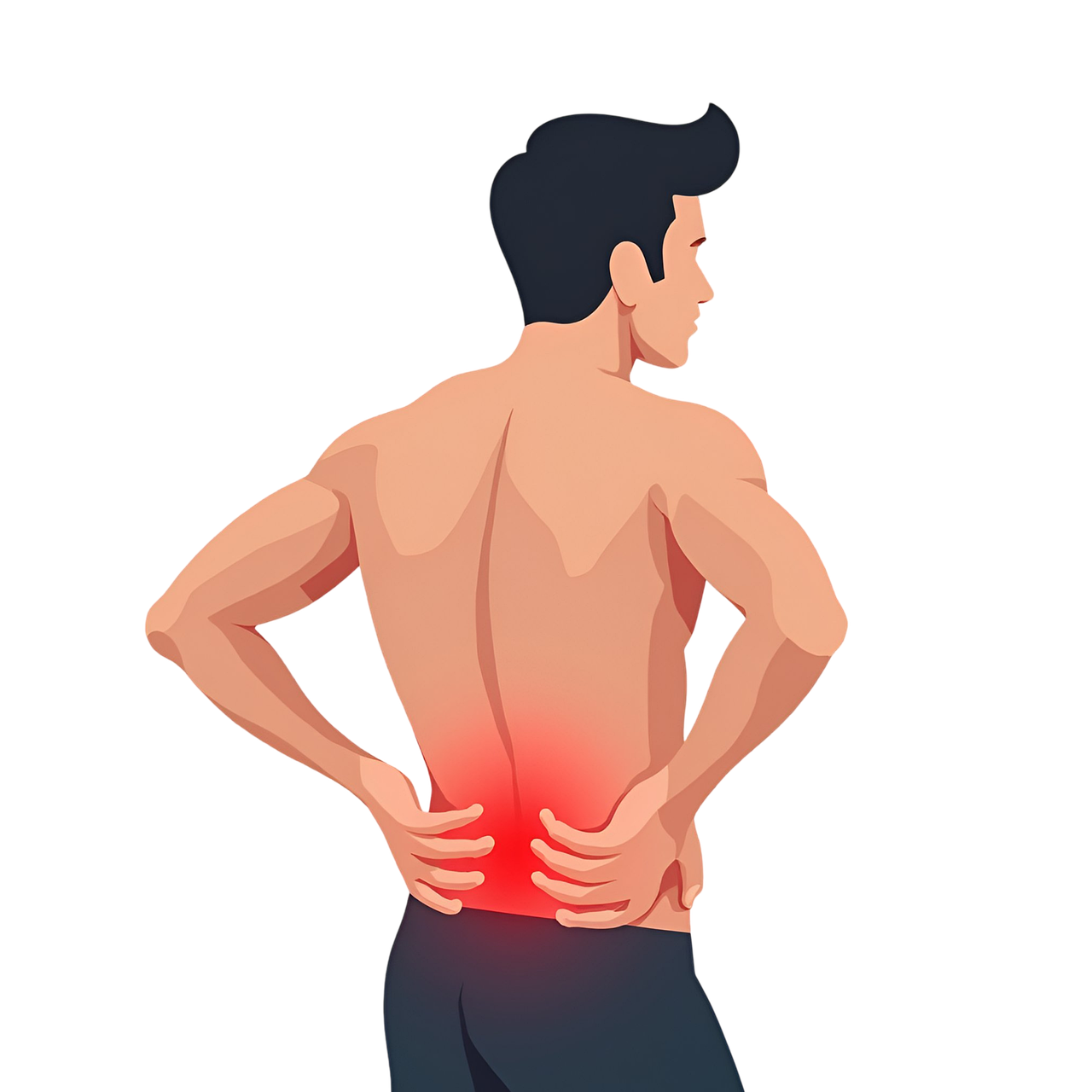

How to Recognize and Manage Recurrent Muscle Strains
The occurrence of muscle strains is a common issue for individuals engaged in physical activities or sports. These injuries can happen unexpectedly or may be a result of poor technique, inadequate warm-up, or overexertion. Recognizing the early signs of a muscle strain is crucial in preventing further injury. Common indications include sudden pain, swelling, and limited mobility in the affected area. It is essential to listen to your body and seek medical advice if the pain persists or worsens. Ignoring these symptoms may lead to chronic issues impacting your physical performance and daily activities.
To effectively manage muscle strains, one must begin by implementing basic first aid measures. The RICE method—Rest, Ice, Compression, and Elevation—serves as an immediate response to mitigate pain and swelling. Resting the affected area allows the muscle fibers to heal properly. Applying ice for about 15-20 minutes every couple of hours during the first 48 hours will help control inflammation. Compression through bandages or wraps reduces swelling, while elevation of the limb aids in minimizing fluid buildup. Following these practices will speed up recovery and improve your overall healing process.
Understanding the Severity of Muscle Strains
Muscle strains are often categorized into three grades based on severity. Grade one indicates mild stretching and minor tearing of muscle fibers, typically causing minimal pain and discomfort. Grade two involves a more significant tear resulting in moderate pain and swelling, which may require rest for several weeks. Grade three strains reflect complete muscle tears, leading to severe pain and a noticeable loss of function. In severe cases, surgical treatment may be necessary. Understanding these grades assists individuals in determining the appropriate level of treatment needed.
Physical therapy can be beneficial in the rehabilitation process following a muscle strain. A tailored program created by a licensed therapist helps strengthen the muscle and restore function while preventing future injuries. Therapists may utilize a range of techniques, including stretching, strengthening exercises, and manual therapy. In addition, they can educate you about the proper techniques for warming up and cooling down after exercise, significantly reducing the risk of re-injury. Commitment to physical therapy can significantly improve recovery and performance in sports or everyday activities.
The Importance of Proper Warm-Ups
Prior to engaging in any physical activity, proper warm-up sessions are critical. These routines prepare the muscles for exertion, enhancing flexibility and blood flow to the tissues. Dynamic stretches such as leg swings, arm circles, and light jogging effectively prepare the muscles. It is essential to avoid static stretching before workouts, as it might reduce muscle strength temporarily. A well-planned warm-up can decrease the risk of muscle strains, ensuring a safer and more enjoyable exercise experience. Establishing a consistent warm-up routine can pave the way for long-term physical health.
In addition to proper warm-ups, strengthening and conditioning exercises play a pivotal role in preventing muscle strains. Targeted exercises enhance muscle endurance and flexibility. Activities such as yoga and Pilates can greatly improve core stability, which supports overall muscle health. Coupled with strength training, these exercises create a well-rounded fitness program. It is wise to consult with a fitness professional to develop a program tailored to your specific needs. A proactive approach to conditioning equips the body to handle physical stress and can dramatically minimize the occurrence of strains.
Listening to Your Body for Injury Prevention
Another key component in managing recurrent muscle strains is developing a habit of listening to your body’s signals. Individuals should be aware of signs of fatigue or discomfort and adjust their activity levels accordingly. Ignoring pain can lead to exacerbating existing injuries and increased recovery time. Staying attuned to your body enables you to recognize when to take a break or modify activities to avoid strains. Listening to these signals not only prevents injuries but also promotes long-term health and wellness.
Finally, maintaining a balanced diet and hydration level supports muscle health and recovery. Adequate protein intake is essential for muscle repair, while vitamins and minerals play vital roles in overall bodily functions. Potassium and magnesium, in particular, help maintain normal muscle function. Additionally, staying hydrated prevents cramps and muscle fatigue. Being mindful of nourishment and hydration is necessary for anyone engaged in regular physical activity. An integrated approach to health, encompassing nutrition, exercise, and active listening to your body, can lead to a sustained, injury-free routine.