
Adapting Functional Training for Diverse Abilities in Fitness Groups
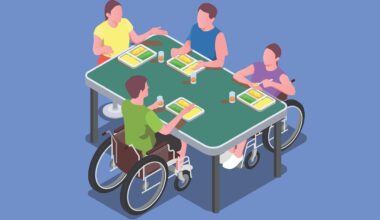
Creating an inclusive environment in fitness groups is essential for fostering engagement and participation. Functional training, focusing on movements that mimic daily activities, holds great potential for all individuals regardless of ability. To adapt functional training for diverse abilities, trainers must prioritize understanding each participant’s unique needs. This means assessing mobility, strength, and fitness levels to create personalized exercise plans. Furthermore, it’s crucial for trainers to facilitate open communication, encouraging participants to voice their preferences and limitations. Incorporating feedback into program design will enhance motivation and improve outcomes. By modifying exercises to suit different capabilities, trainers can promote safety while ensuring everyone remains challenged. For example, substituting bodyweight exercises for resistance training when necessary can alleviate strain. Additionally, utilizing supportive equipment like resistance bands or stability balls allows participants to engage in effective workouts. As individuals progress, trainers should progressively introduce more challenging variations, empowering clients to build confidence in their abilities. Establishing a positive atmosphere promotes social engagement and emotional support, which is vital. When fitness groups support diverse needs, they create an inviting community that celebrates improvement, not just personal records.
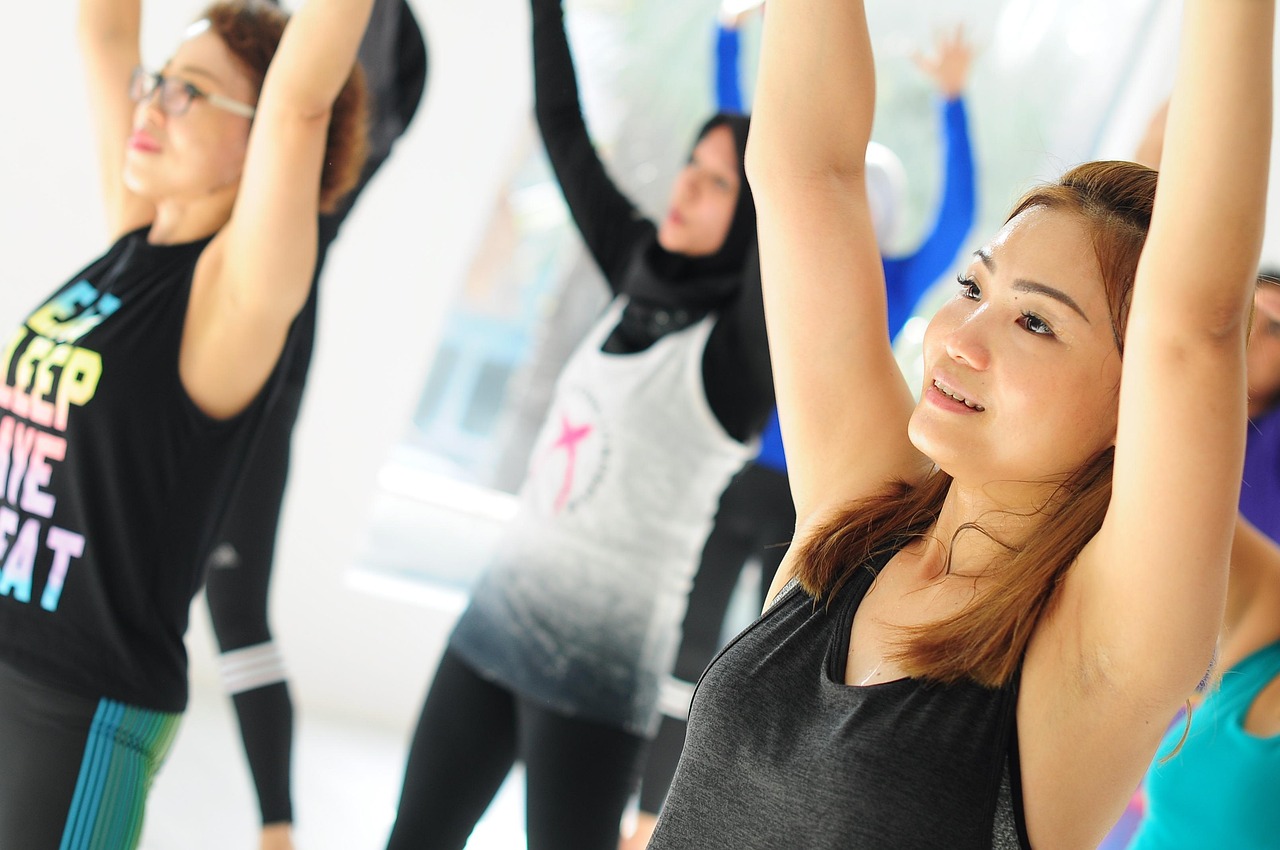
Functional training caters to a wide array of fitness levels and objectives, making it ideal for group sessions. One popular approach is incorporating circuit training, which allows participants to work at their own pace while completing various exercises. By rotating through different stations, people can engage with activities tailored to their abilities. Stations can include movements like squats, push-ups, or core exercises adjusted to suit individual capacities. Furthermore, incorporating time limits or rep counts provides structure yet keeps the intensity in check. Exercise modifications may include wall push-ups instead of traditional push-ups, ensuring accessibility for everyone. Additionally, emphasizing teamwork can enhance camaraderie among participants. Pairing individuals with differing abilities can foster communication and collaboration, allowing them to learn from one another. Trainers should be mindful of group dynamics and encourage supportive language to strengthen the bonds within the group. Group challenges can offer friendly competition, motivating individuals to push their limits while ensuring a supportive atmosphere. Success stories fueled by group encouragement can also inspire perseverance. Overall, a thoughtful approach to functional training promotes a sense of belonging, creating an uplifting experience for everyone in the fitness community.
Incorporating Varied Equipment
Utilizing a diverse range of equipment can significantly enhance functional training for individuals with various abilities. Equipment choices not only influence the scope of exercises conducted during workout sessions but also accommodate varying levels of strength and coordination. For instance, lighter weights and resistance bands can be offered to those who need lower intensity options. These alternatives not only provide a lighter load but also allow participants to focus on proper form and safety during movements. Likewise, stability balls and foam pads can serve as supportive tools for individuals working on their balance and core strength. Using such equipment affords individuals more control during exercises while minimizing the risk of injury. A great option for functional training is incorporating balance boards or Bosu balls, which can boost stability and proprioception for all participants. Moreover, engaging with more versatile tools can create a stimulating environment, encouraging creativity in workouts. Trainers should remain flexible in their approach to training and continually assess the suitability of equipment choices. By emphasizing diversity in equipment, trainers can maintain interest levels and address the various skills presented by members in any fitness group setting.
Another essential aspect of adapting functional training for diverse abilities is establishing clear goals. By setting specific, measurable, achievable, relevant, and time-bound (SMART) goals for each participant, trainers can provide tailored guidance. Understandably, many individuals will come with different motivations and aspirations for their training, necessitating personalized strategies. These goals should focus on incremental outcomes that foster confidence and promote consistent practice. For instance, someone new to exercise may strive for regular attendance in classes, while a more experienced participant might aim to improve their functional strength over time. Regularly revisiting each participant’s progress in achieving these goals is crucial, ensuring that adjustments can be made as needed. Success along the journey should also be recognized, regardless of how small it may appear. Supporting individuals in realizing their achievements fosters motivation and greater adherence to fitness programs. As participants witness tangible results in their training, they gain a sense of accomplishment that reinforces their efforts. Additionally, trainers should encourage participants to celebrate achievements collectively, which promotes a sense of togetherness within the community. Through such strategic goal setting, functional training can become an engaging experience for those with varying abilities.
Creating a Supportive Community
The role of community in fitness is often understated but plays a significant function in motivating individuals to engage consistently. In a diverse fitness group, fostering a strong sense of belonging is crucial, as it allows participants to feel comfortable and valued regardless of their abilities. Including icebreaker activities at the start of each session encourages socialization and aids participants in establishing connections. These activities can involve sharing personal goals, interests, or experiences related to fitness. Such discussions create a supportive atmosphere where individuals openly share challenges and successes, fostering an environment of empathy. Additionally, peer support plays a fundamental role in elevating engagement levels. When participants encourage one another, it promotes a sense of collective responsibility for one another’s happiness and health. Trainers can inspire interaction in group workouts by implementing partner exercises or team challenges that require communication and collaboration. The camaraderie cultivated during these activities encourages participants to remain accountable and find joy in their workouts. As such, inclusive fitness communities built upon support and understanding can greatly enhance experiences for everyone, breaking barriers and creating lasting relationships.
Incorporating recovery techniques into functional training is another vital component in supporting diverse abilities. Many participants may not have the same recovery capacity or flexibility, resulting in the risk of injury if not addressed properly. As workouts intensify, it becomes essential to incorporate stretching or cooldown exercises into each session, promoting muscle recovery and enhancing mobility. Moreover, educating participants on the importance of rest days and active recovery should be regularly emphasized, fostering a deeper understanding of the physical aspects of training. Trainers may introduce yoga or meditation sessions that empower individuals to explore relaxation techniques contributing to overall well-being. Another strategy could be implementing foam rolling or massage tools, which can ease muscle soreness and tension for participants post-workout. This can also encourage participants to listen to their bodies, allowing them to identify when to push through or when to rest. When recovery is prioritized, it not only aids physical healing but also fosters a positive mental outlook towards fitness. Ultimately, by integrating recovery into functional training, fitness groups can promote longevity, leading participants to maintain consistent engagement throughout their fitness journeys.
Adapting Communication Styles
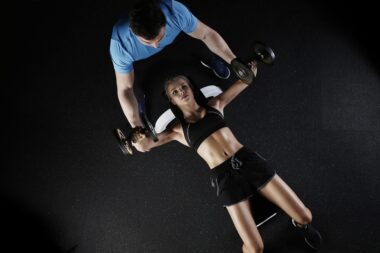
Effective communication is the backbone of any successful training program, especially when working with diverse abilities. Trainers must adapt their communication styles to meet the needs of all participants, considering factors such as background knowledge and physical challenges. Utilizing clear, simple language that eliminates jargon can enhance understanding among individuals with varying comprehension levels. Additionally, incorporating visual aids such as demonstrations or diagrams can support those who may struggle to grasp verbal instructions. Providing explicit examples also ensures that participants remain engaged and aware of their movements throughout exercises. Trainers should also encourage questions and feedback from participants, cultivating an environment where individuals feel comfortable expressing their concerns. Fostering open dialogue can ultimately strengthen group cohesion while promoting inclusivity. Moreover, varying the delivery methods become essential to meet everyone’s learning preferences. For example, some participants may benefit from hands-on guidance while others prefer verbal explanations. Through flexible communication approaches, trainers can inspire confidence in participants, creating a more personalized training experience. This fosters understanding, enabling individuals to achieve their fitness goals effectively, no matter their physical capabilities.
Adapting functional training to suit diverse abilities creates a more inclusive fitness experience. By fostering an environment centered on understanding, support, and adaptability, trainers can lead programs that appreciate individual differences. Functional training focuses on movements that mimics daily life, granting individuals the opportunity to build strength, coordination, and flexibility autonomously. With thoughtful exercise modifications and goal setting, participants can engage actively in their journey to improved health. This ultimately leads to increased motivation, as individuals celebrate their progress and achievements together. Community plays a pivotal role, allowing people to connect and support each other throughout their fitness endeavors. By promoting teamwork and encouraging interpersonal connections, trainers can cultivate an uplifting atmosphere that transforms individual goals into collective victories. Inclusive equipment usage empowers participants to explore their capabilities while mitigating the risk of injury. As trainers continue to adapt and learn alongside their clients, they stay connected to the unique challenges presented in diverse group settings. With dedication and willingness to be flexible, trainers hold the key to not only transforming individual lives but also nurturing a fitness community that thrives on inclusivity.