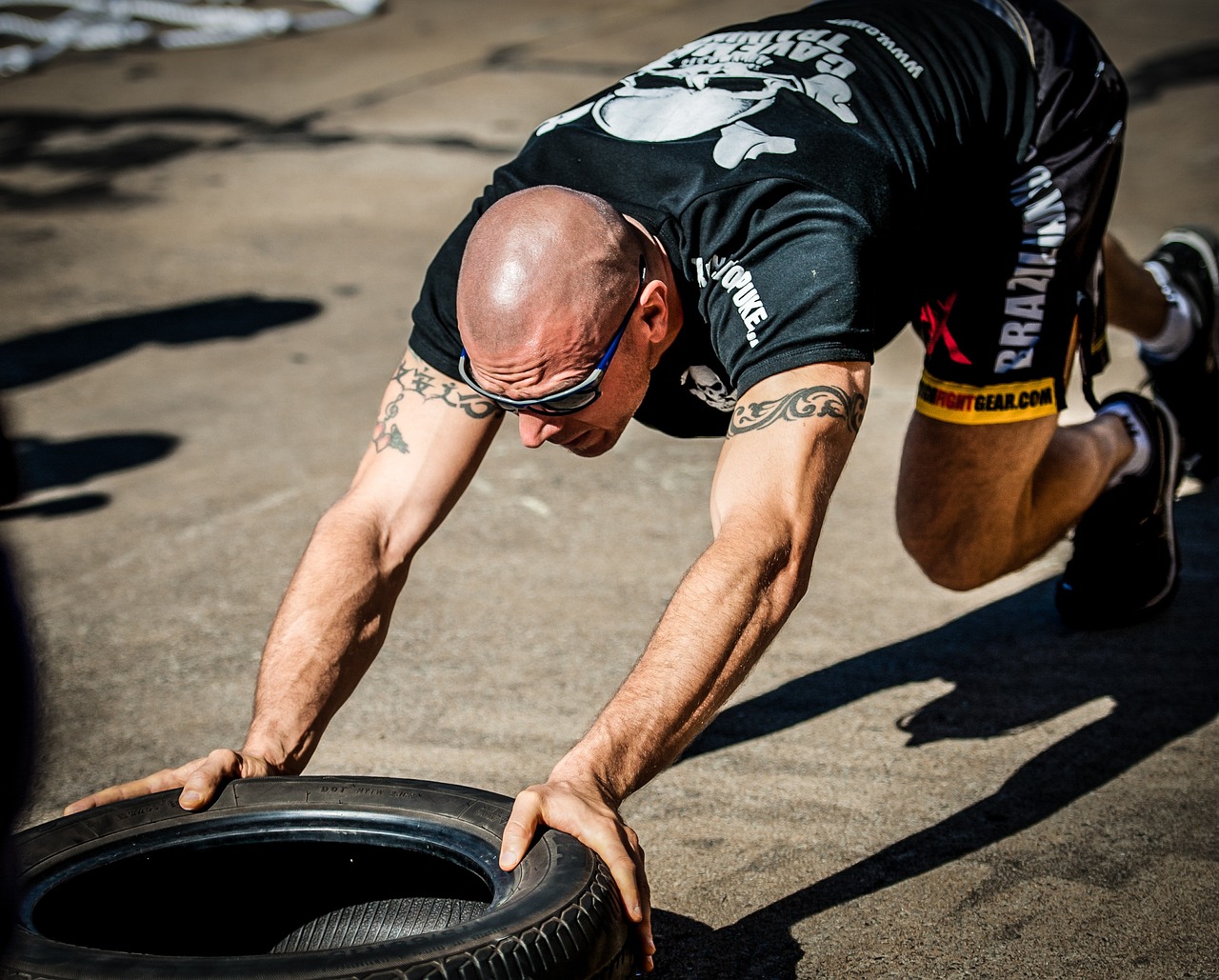

Using Video Analysis to Track Functional Fitness Techniques
In the realm of functional fitness, tracking progress is vital for improvement. Video analysis serves as a powerful tool for athletes and trainers seeking to enhance their techniques. This method allows individuals to visually assess their performance, identify areas for improvement, and monitor changes over time. Using video, fitness enthusiasts can capture their movements during exercise and then review them. Not only does this allow for personal reflection, but it promotes insightful discussions between athletes and coaches. Furthermore, video analysis can help in understanding various techniques better. When reviewing recordings, it can be easier to spot common mistakes and correct them. For instance, an athlete might not realize they are using poor form during squats or deadlifts until they see it on screen. Moreover, technology advancements now make it convenient to record sessions via smartphones or cameras, increasing accessibility. Athletes can easily share their recordings with peers or professionals for feedback. With these benefits, video analysis is an essential component of modern training regimens for anyone serious about tracking and improving their functional fitness techniques.
Setting specific performance goals in functional fitness is essential. By incorporating video analysis, individuals can create a roadmap to achieve those goals. When objectives are laid out clearly, it becomes easier to track progress over time. Athletes can begin by recording their baseline performance. This gives them a reference point for future improvements. Additionally, incorporating video into regular training sessions offers the chance to make adjustments based on visual feedback. Recognizing physical limitations through video helps athletes focus on correcting those specific areas. For example, a person might discover that their balance is off during a kettlebell swing. They can then adjust their training regimen accordingly. Comparison is another crucial aspect of improvement. Over time, reviewing earlier footage allows individuals to observe their evolution in form, strength, and technique. This kind of iterative observation builds motivation, as athletes witness their hard work yield results. Over time, they’ll accumulate a library of video clips. These clips can serve as inspiring reminders of how far they’ve come in their functional fitness journey. Ultimately, video analysis supports a structured approach to achieving fitness goals effectively.
Additionally, video analysis fosters accountability among athletes. When participants know they are recording their workouts, they tend to be more disciplined and focused. This self-awareness can lead to more significant effort and commitment during workouts. Coaches can also utilize video submissions from athletes to provide feedback. This remote engagement can be particularly helpful for athletes training from afar or participating in online programs. In such contexts, trainers can assess performance without being physically present. This fosters a deeper connection between coaches and athletes, thereby enhancing the coaching experience. Moreover, the ability to share video footage allows for targeted coaching sessions. By segmenting a workout into key movements, trainers provide instruction where it is most needed. This feedback can be constructive and tailored to the individual’s unique style. Over time, this leads to noticeable improvements in performance. Athletes should consider using video analysis not just for progression tracking, but as a tool for honing their skills. In conclusion, the combination of personal effort and external coaching through video can lead to marked advancements in functional fitness abilities.
Incorporating Technology in Functional Fitness
Another advantage of using video analysis in functional fitness is the incorporation of wearable technology. With wearables such as smartwatches and fitness trackers, athletes can collect extensive data during workouts. These devices track metrics like heart rate, calories burned, and repetitions performed. Aligning this data with video footage enhances a coach’s ability to evaluate technique and performance accurately. For instance, an athlete may feel exerted but not realize they are underperforming in key areas. With this dual approach, it becomes easier to identify discrepancies between perceived effort and actual performance. The data collected can then guide athletes on when to push harder or scale back. This personalized approach ensures that they train smartly and safely. Furthermore, wearables can provide real-time feedback during training sessions. Athletes can receive notifications or alerts, which may encourage them to maintain proper form or intensity levels. When combined with video analysis, these insights become invaluable for overall improvement. By leveraging technology and video analysis, functional fitness enthusiasts can maximize their training efficiency and effectiveness.
An essential aspect to remember is that video analysis should be used ethically and responsibly. Privacy concerns arise when recording others during workouts. It’s crucial to obtain consent before capturing footage, especially in a group setting. Athletes need to communicate openly about their intentions for recording. This promotes a comfortable environment for everyone involved. Moreover, the sharing of video clips should be done thoughtfully. Motivational use of footage to inspire others is different from sharing footage that may embarrass or discourage individuals. Establishing ground rules surrounding video recording can foster a positive and supportive atmosphere. Athletes should also be aware of their own insecurities regarding performance and appearance. The goal is to utilize video analysis positively, focusing on growth rather than criticism. As awareness around these ethical considerations grows, individuals can ensure a healthy balance between self-improvement and respect for others. Video analysis can then serve as an effective educational tool within functional fitness communities. Responsible use will enhance learning experiences while respecting each participant’s dignity and privacy.
Benefits of Reviewing Progress
In conclusion, video analysis can significantly improve functional fitness practices. By leveraging this tool, athletes gain a clearer understanding of their strengths and weaknesses. Capturing movements on video provides a unique perspective, allowing for detailed assessments that sometimes can’t be achieved through verbal coaching alone. Notably, progress tracking encourages continuous development and personal growth. When individuals document their journeys, they create visual portfolios showcasing their transformation. This repository becomes a source of motivation, reminding athletes of their hard work and determination. Regularly reviewing past footage enables individuals to set ambitious but realistic future targets. Recognizing progress fosters a positive mindset. It emphasizes that improvement might not always be linear. The ups and downs are part of a larger journey toward excellence in fitness. Therefore, athletes should embrace these moments as teaching experiences. Working on functional fitness should also be a fulfilling and rewarding process. Keeping enthusiasm alive is crucial for long-term success. With continuous improvements and support from video analysis, fitness enthusiasts can confidently navigate their goals with the knowledge they are on the right track.
As more athletes integrate video analysis into their routines, community support becomes increasingly important. Engaging with like-minded individuals can provide encouragement and diverse perspectives on technique improvement. Participating in forums or social media groups creates opportunities to exchange footage and receive constructive criticism from peers. By fostering a sense of belonging, athletes can enhance their experiences while pursuing functional fitness. Additionally, collaboration among community members opens doors to innovative training ideas, joint workouts, and challenges. Sharing video progress within trusted circles encourages accountability and offers inspiration to others along the way. The camaraderie formed by collective journeys can strengthen determination. Observing fellow athletes achieving their goals can serve as motivation during moments of doubt. Celebrating successes together fosters a supportive environment. This shared enthusiasm and accountability lead to higher chances of meeting goals. Furthermore, community challenges can introduce new techniques or exercises, promoting growth for everyone involved. Overall, video analysis, combined with community engagement, elevates the functional fitness journey to new heights, encouraging growth while building lasting friendships and connections in the fitness world.
In closing, the use of video analysis in functional fitness is undeniably impactful. Tracking progress through visual documentation allows athletes to recognize their development and make necessary adjustments. The synergy of technology, personalized feedback, and community support enhances the journey toward achieving fitness goals. As fitness enthusiasts embrace video analysis, they empower themselves to sharpen their skills, refine techniques, and unlock their full potential. The dividends of investing in this practice are manifold, providing valuable insights and fostering a proactive approach to training. Progress will naturally occur when individuals marry personal dedication with technological tools. Realizing that everyone’s journey is unique should not deter athletes. Instead, it should encourage them to embrace the learning process, appreciate the gradual improvements, and reach their goals. In summary, video analysis becomes a crucial ally for anyone serious about improving their functional fitness. By creating a culture of feedback and progress tracking, the fitness community enhances its collective knowledge. As such, the impact of video analysis is profound, transforming the landscape of functional fitness training for the better.