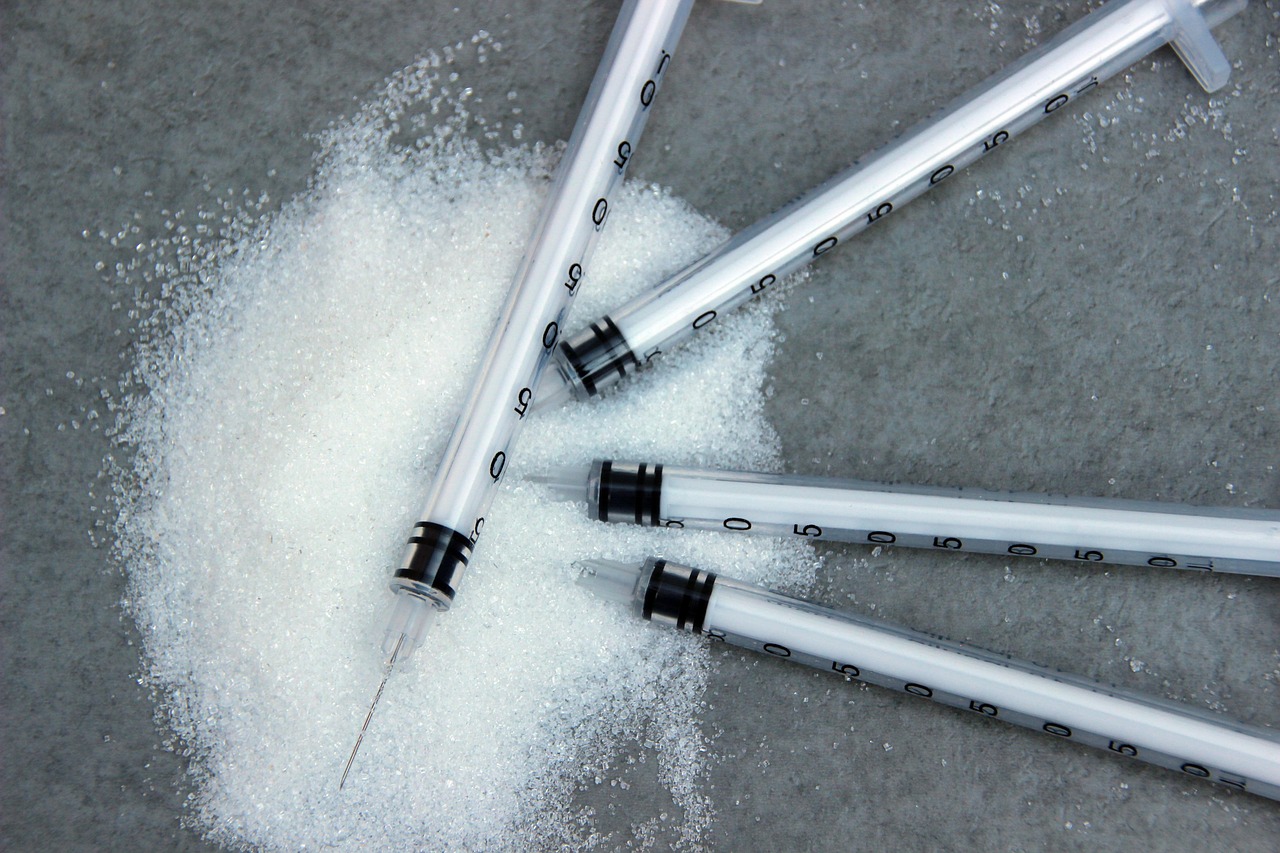

Using Nutrition Timing to Optimize Insulin Response
Insulin plays a significant role in hormonal health and overall fitness. It regulates blood sugar levels and influences how our body utilizes energy. To maintain healthy insulin levels, one important aspect is nutrition timing. This refers to consuming meals and snacks at specific times to optimize insulin sensitivity and effectiveness. Proper nutrition timing can enhance nutrient absorption and improve metabolic responses. Consider incorporating nutrient-dense foods into your meals, which will not only aid in insulin management but will also provide essential vitamins and minerals needed for optimal health. Pairing carbohydrates with proteins can also lead to better insulin control, as proteins slow the digestion process of carbohydrates. Consuming a balanced diet composed of proteins, fats, and carbohydrates at the right times is crucial for hormonal balance. This practice can help avoid insulin spikes and drops. Instead of random snacking, one should design meals and snacks that strategically fit their daily routine, maximizing effectiveness. This will ultimately contribute to improved overall health and fitness, positively influencing body composition, energy levels, and emotional well-being. Careful planning is essential to harness the full benefits of nutrition timing for insulin response health.
To further optimize insulin response, understanding the glycemic index (GI) of foods is pivotal. Foods with high GI lead to rapid increases in blood sugar, prompting excessive insulin release from the pancreas. Instead, focus on incorporating low to moderate GI foods in your meals, as they promote stable blood sugar levels and reduce insulin fluctuations. Examples include whole grains, legumes, and non-starchy vegetables. Not only do these foods support a steady insulin response, but they also contribute to comprehensive nutrient intake and support overall hormonal health. You can benefit by consuming low GI carbohydrates post-exercise to aid muscle recovery without causing drastic insulin spikes. Timing plays a big role! It’s beneficial to eat protein-rich foods immediately after workouts, as this encourages muscle repair and growth. One can also try spacing meals and snacks evenly throughout the day to maintain balanced blood sugar levels. Consistent timing helps your body adapt. Appropriate portion sizes must be considered for every meal and snack throughout the day, as overeating can negatively influence insulin sensitivity. Monitoring your body’s response to different foods and timing strategies will lead to smarter, healthier choices.
Importance of Consistent Meal Timing
Establishing consistent meal timing can be vital in regulating insulin responses and overall metabolic health. Our body’s internal clock, or circadian rhythm, affects how we process nutrients. Disrupted eating patterns can lead to insulin resistance, ultimately hindering metabolic processes. Aim to eat at similar times each day, establishing a routine that aligns with your lifestyle. This helps your body anticipate when to expect food and better manage insulin levels. Regular meals can prevent extreme hunger, reduce the likelihood of overeating, and promote feelings of satiety. A well-planned schedule can also enhance energy levels throughout the day, providing sustained power without the lows that can accompany erratic eating patterns. When you eat is equally significant as how much you eat. Intermittent fasting is another strategy some people use to optimize insulin response by allowing the body to rest from constant eating. Research shows that time-restricted feeding can help improve insulin sensitivity and aid weight management. However, it is important to choose an eating window that suits your daily routine, so consider your lifestyle when trying this method. Ultimately, consistency in meal timing is key to maintaining optimal insulin and hormonal health.
Combining nutrition timing with physical activity is a powerful strategy. Exercise plays a crucial role in managing insulin levels, so timing workouts around meals can greatly enhance health outcomes. It is important to consume carbohydrates and proteins shortly after exercising to maximize recovery and gain muscle benefits while maintaining stable insulin levels. Pre-workout nutrition should focus on easily digestible carbohydrates to provide energy without causing digestive discomfort. This ensures that your body has the necessary fuel to perform optimally. Additionally, incorporating resistance training into your routine creates an environment for enhanced insulin sensitivity, leading to greater fat loss and improved muscle gain. Regular exercise combined with the right nutritional strategy promotes hormonal balance, positively impacting body composition. Studies show that consistent workouts alongside nutrient timing can lead to significant improvements in insulin sensitivity. This creates an environment conducive for body repair and growth. Plan out when you will work out and make sure to align your meals accordingly. Taking such steps can influence energy levels positively and allow you to perform at your peak, further supporting insulin management and a leaner physique. Thus, practice aligning physical activity with nutrition timing for better health.
Hydration and Its Role
While nutrition timing is essential, hydration should not be overlooked either. Adequate hydration influences insulin responses significantly. When dehydrated, your body can become less effective in managing blood sugar levels. Therefore, it is crucial to drink sufficient amounts of water daily. Aim to hydrate before, during, and after physical activity to support optimal insulin and performance rates. Drinking water helps maintain optimal blood volume, impacting nutrient delivery and insulin efficiency. Additionally, consider incorporating hydrating foods, such as fruits and vegetables, into your daily meals to increase your overall fluid intake effectively. This practice can improve digestion and nutrient absorption as well. Monitor your hydration levels throughout the day and adjust your water intake according to your lifestyle and physical demands. Testing urine concentration is a simple way to gauge your hydration status. If urine is dark, increase water intake; clear urine usually indicates proper hydration. Hydrating adequately supports not only insulin response but also aids in recovery and overall energy management. Thus, prevent dehydration and optimize your body’s response to insulin through strong hydration practices and mindful meal planning.
Another critical aspect of optimizing insulin response through nutrition timing is the significance of meal composition. The balance of macronutrients—proteins, carbohydrates, and fats—can impact how the body metabolizes insulin. A meal rich in fiber can slow digestion and prevent sharp rises in blood sugar, thereby promoting stable insulin levels. Include healthy fats in diets, as they support hormonal balance and optimize nutrient absorption. For optimal insulin management, create a balance of macronutrients at every meal. For instance, pairing high-protein sources with complex carbohydrates can provide stable energy levels while promoting a steady insulin response. Monitoring what foods work best for your individual body and composition is essential; education on portion sizes and food choices is critical as well. Experiment with combinations of different foods to see how your insulin responds. Every meal is an opportunity to influence your body positively. Explore recipes that encourage healthier eating habits while balancing insulin response. Ultimately, the focus should remain on wholesome food choices that empower and nourish your body while keeping insulin levels balanced, promoting long-term hormonal health and fitness.
Conclusion and Action Steps
In conclusion, implementing effective nutrition timing strategies can significantly enhance insulin response and support overall hormonal health. The goal is to create personalized routines that align with individual lifestyles while incorporating balanced meals. Start by incorporating low to moderate glycemic index foods throughout the day. Ensure consistent meal timing and adapt your routine as necessary. Pair physical activity with proper nutritional choices to optimize recovery and performance. Remember to stay well-hydrated, as it plays a crucial role in insulin management. Regularly monitor your energy levels and blood sugar patterns and make adjustments as needed to achieve desired results. Consult with a healthcare professional or a registered dietitian if you need guidance tailored to your situation. Maintaining flexibility in your approach can help you find what truly works best for you. Ultimately, focus on sustainable changes rather than quick fixes; hormonal health is a journey, not a destination. With patience and consistency, you can enjoy improved insulin responses and better overall health through smart nutritional decisions. Start making these changes today, and your body will reward you with the benefits of optimized health.
More research is needed, but practical applications of these principles lead many toward healthier living. Find resources online to explore more about nutrition and hormonal health and join supportive communities. Engage in forums, and swap tips, and personal experiences. Together, we can promote awareness of the importance of insulin management in fitness and well-being. Awareness leads to empowerment! Stay informed, and always look for ways to enhance your knowledge regarding nutrition and metabolism. Consider maintaining a food diary to chart make changes, and track your meals. This can serve as a foundation for future adjustments and better decision-making surrounding nutrition timing. Leonardo da Vinci once said, ‘Simplicity is the ultimate sophistication.’ By simplifying nutrition and timing strategies, you can achieve a higher level of health. Strive for small, manageable changes that you can sustain over time, and notice how they contribute to hormonal balance. Incorporate these insights into daily living, and be open to evolving your strategies as familiar with your body. Explore educational content from reliable sources, such as medical societies and reputable nutrition organizations, to support your learning journey further.