
Using Fitness Trackers to Set and Achieve Your Goals
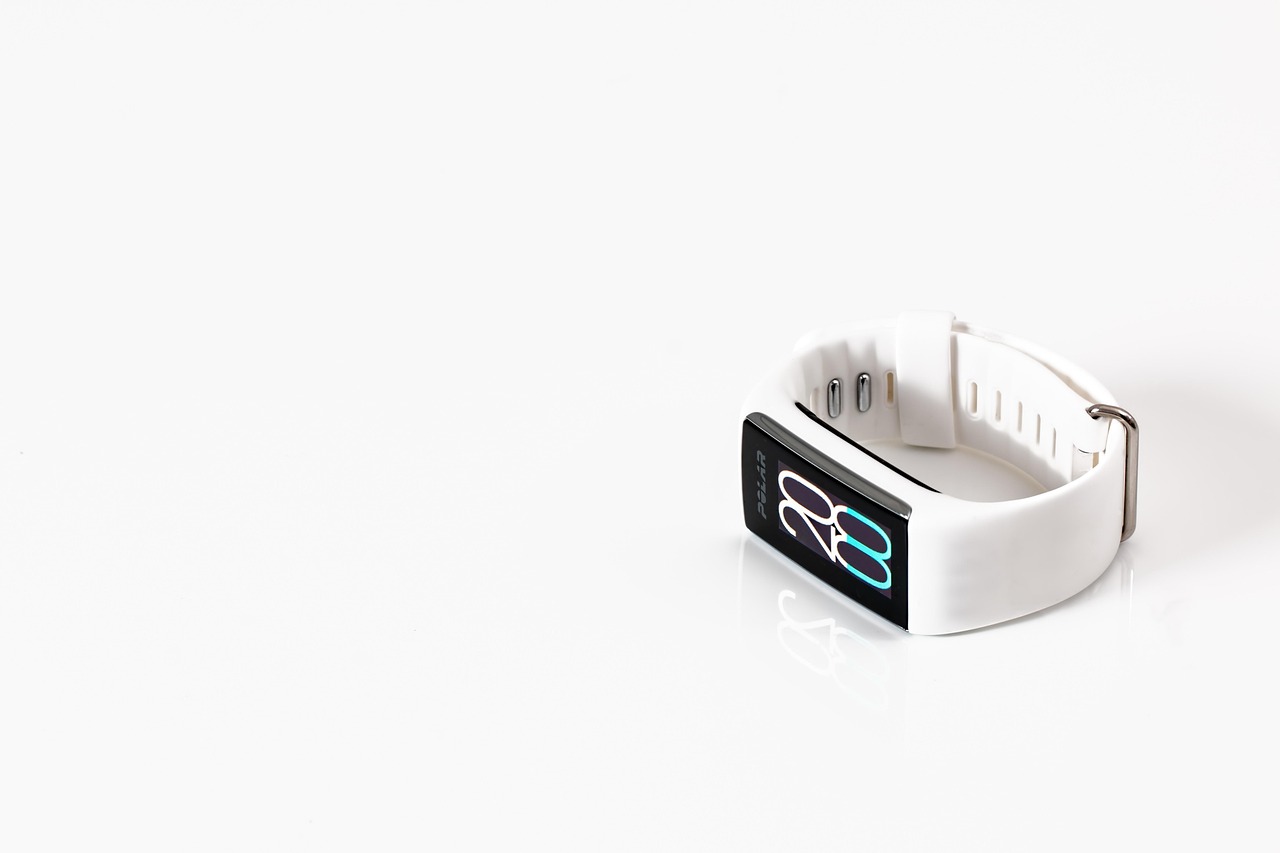
In today’s fitness-oriented world, the use of technology plays a pivotal role in staying motivated and achieving personal health goals. Fitness trackers have gained immense popularity for their ability to monitor various aspects of health, such as steps taken, heart rate, and calories burned. By setting clear and measurable goals, individuals can leverage these devices to create structured fitness routines. One key advantage of fitness trackers is their capacity to provide real-time feedback, allowing users to adjust their efforts promptly. With features such as reminders and notifications, these devices serve as constant sources of motivation throughout the day. Additionally, many fitness trackers offer gamification elements, turning workouts into fun challenges. Achieving milestones and earning rewards can significantly boost motivation levels. This approach helps individuals stay engaged and committed to their fitness routines, ultimately leading to better overall outcomes. A growing number of fitness applications also integrate seamlessly with these trackers, allowing for enhanced tracking of workouts and nutrition. The combination of the two empowers users to take charge of their health actively. By setting goals and utilizing technology effectively, individuals can consistently progress towards their desired fitness outcomes.
Establishing specific, measurable, achievable, relevant, and time-bound goals is crucial when using fitness trackers. This method, known as SMART goals, creates a solid foundation for setting expectations. Users can begin by specifying their desired outcome, like losing weight or enhancing endurance. By working closely with their fitness trackers, they can receive essential data that informs their progress. For instance, tracking weekly step counts can reveal if an individual is on a path to meeting their goals. This monitoring capability helps individuals recognize patterns and make necessary adjustments. Furthermore, the data can motivate through visual representations, illustrating progress through graphs and charts. By regularly checking these insights, users may feel more determined to adhere to their exercise and nutrition plans. Also, sharing achievements through social media or fitness communities can foster a sense of accountability. This connection further motivates individuals to maintain their fitness journey and celebrate small victories. In the realm of fitness, finding ways to enhance motivation is critical. By employing technology, users gain not only a tool for tracking but also a more dynamic and engaging fitness experience. Progress is continually acknowledged, leading to sustained dedication and improved results.
Enhancing Accountability with Fitness Groups
Another significant advantage of fitness trackers is their capability to connect users with friends and family. Online platforms allow individuals to share their progress, creating a supportive community. Engaging with others who share similar fitness goals encourages consistency and accountability. Participating in challenges or group workouts can also motivate users to achieve more. Competition often spurs individuals to push their limits, leading to improved outcomes. Users can share daily or weekly stats with friends via fitness apps, reminding them of their journey together. Additionally, tracking certain behaviors, like sleep quality and hydration, yields insights that promote overall well-being. Fitness trackers can also remind users to take breaks or stay hydrated, contributing to improved health. This level of comprehensive tracking invites a fuller understanding of personal growth and areas needing attention. The ability to visualize achievements and setbacks can clarify where adjustments are necessary. The sense of camaraderie within fitness groups enhances commitment and persistence. By cultivating connections fueled by shared aspirations, individuals are more likely to remain steadfast throughout their fitness journeys. Ultimately, these interactions may make the journey more enjoyable and enriching.
Fitness trackers also offer features such as heart rate monitoring, which plays a crucial role in developing effective workouts. Understanding optimal heart rate zones helps individuals tailor their fitness routines to meet specific goals. For example, training in the fat-burning zone differs significantly from the cardiovascular endurance zone. By leveraging this data, users can maximize efficiency during workouts. This precision allows them to work smarter, rather than harder, while ensuring they remain safe. For beginners, realizing basic guidelines and listening to one’s body is vital—but the use of trackers further empowers them through analytical insights. The feedback from these devices ensures people engage in a balanced routine without overexertion. Therefore, it becomes easier to cultivate a long-term fitness habit while achieving desired results. The integration of various workout modes, such as running, cycling, or swimming, broadens the possibilities for users. Fitness trackers can track performance across different activities, fostering versatility in exercise choices. This adaptability is essential for maintaining long-term motivation. As users discover preferences in their exercise routines, they can adjust their goals accordingly. Personalizing workouts keeps boredom at bay and can lead to sustained commitment.
Tracking Nutrition and Its Importance
Nutrition plays a vital role in achieving fitness goals, and many fitness trackers now include features for food tracking. Monitoring caloric intake alongside physical activity enables users to gain a holistic understanding of their dietary habits. Many trackers or associated apps allow for quick logging of meals, ensuring users make informed food choices. Learning about macronutrient ratios can significantly impact overall health and progress. Frequently adjusting meal plans based on personal goals—such as weight loss or muscle gain—can influence success. In addition to caloric tracking, fitness apps often provide valuable nutritional insights, like vitamin and mineral intake. This information aids in promoting balanced diets. Regular engagement with nutritional data empowers individuals to take informed actions about food. Pairing workout data with meal choices helps identify patterns, uncovering potential areas for improvement. Utilizing technology’s capabilities reinforces accountability when it comes to dietary habits. The interplay between exercise and nutrition encourages continuous reflection, resulting in sustained motivation. Achieving success combines both a committed fitness regime and mindful eating practices. As users remain dedicated to their journeys, they will witness tremendous positive change in performance, energy levels, and overall health.
Fitness trackers motivate users by offering customizable reminders and prompts throughout the day. These features allow users to set specific goals, such as standing up after periods of inactivity or scheduling workouts. A simple reminder can rekindle determination and enhance productivity, leading to consistent healthy habits. Moreover, the customizable nature of these features ensures users find personalized methods that resonate with their individual lifestyles. By designing their schedules around prompt notifications, users can create an environment conducive to regular physical activity. Additionally, many trackers encourage healthy social interactions by reminding users to share progress, reinforcing connections with others. Encouraging social responsibility serves as an effective motivator. By including friends and family in the journey, individuals may feel more compelled to work towards their goals. This sense of shared responsibility fosters not only motivation but also reinforces commitment. As the journey progresses, individuals can track improvements in emotional and physical well-being. Consequently, the connection between mental health and fitness becomes more evident. Ultimately, the comprehensive nature of reminders and prompts assists users in successfully navigating their fitness journeys, fundamentally influencing consistency and results. Personalized engagement leads to transformative outcomes.
Celebrating Achievements and Growth
Lastly, celebrating milestones is crucial for maintaining motivation during fitness journeys. Fitness trackers allow users to set small, achievable milestones that can lead up to larger goals. Recognizing these incremental achievements creates a positive feedback loop, enhancing spirits and overall satisfaction. Users can personalize notifications to mark these moments, such as hitting a specific number of steps or completing a workout streak. Sharing achievements with their social circles fosters a sense of community and accountability. Positive reinforcement plays a key role in sustaining motivation. Moreover, recognizing efforts cultivates a mindset focused on continuous growth and improvement. Individuals who view their journeys as a series of accomplishments are more likely to stay engaged and inspired. Fitness trackers often provide visual progress reports, which facilitate this celebration process. Another aspect that adds to motivation is the ability to integrate with other platforms. Syncing progress with fitness communities provides opportunities for shared achievements. Events and challenges foster camaraderie, intensifying motivation levels. In this way, fitness trackers serve as vital tools for not just tracking stats but also for commemorating journeys. Overall, celebrating achievements is foundational for a fulfilling and lasting fitness experience.
In summary, fitness trackers represent invaluable resources for individuals seeking to establish and achieve their fitness aspirations. Integrating technology into personal fitness routines creates a well-structured environment that fosters accountability, enhances motivation, and reinforces positive habits. By leveraging data for setting SMART goals, monitoring nutrition and physical activity, and celebrating milestones, users engage fully in their journeys. The ability to access real-time feedback and connect with communities encourages camaraderie and persistence. The insights derived from fitness trackers empower users to adjust methods and create tailored strategies. By emphasizing both physical and nutritional aspects, these devices illuminate pathways toward healthier lifestyles. Maintaining the motivation to accomplish fitness goals involves more than just a singular focus on exercise. Instead, it requires a multi-faceted approach that encompasses enjoyment, connection, and personal growth. Over time, as users experience success, they develop confidence in their abilities, reinforcing their commitment to long-term health. In conclusion, utilizing technology plays a crucial role in motivation within fitness. By embracing these tools, individuals can discover newfound dedication, resilience, and enthusiasm in their fitness journeys, ultimately leading to a transformative and fulfilling experience.