
Understanding the Science Behind Aromatherapy and Stress Reduction
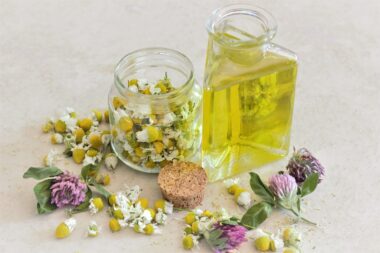
Aromatherapy is a form of alternative therapy that employs the use of essential oils derived from plants for therapeutic benefits, particularly in promoting relaxation and reducing stress. Essential oils are concentrated extracts that encapsulate the natural fragrance and properties of the plant from which they come. When inhaled or applied to the skin, these oils can stimulate the olfactory system, which is closely linked to emotional responses in the brain. The science behind aromatherapy rests on the ability of different scents to trigger hormonal changes, leading to various physiological effects that can help alleviate stress, anxiety, and other emotional disturbances. Research has indicated that specific essential oils, such as lavender, chamomile, and bergamot, are particularly effective for their calming properties. The interplay between scent and brain function can be a powerful tool in stress management, as it promotes not just relaxation but also contributes to emotional wellbeing. Hence, integrating aromatherapy into daily routines can serve as a simple yet effective approach for enhancing mental health and managing stress effectively.
Essential Oils and Their Impact on Stress
The impact of essential oils on stress reduction is both profound and multifaceted. Various studies have highlighted that inhaling certain scents can significantly reduce cortisol levels, the hormone primarily responsible for stress. Among the most renowned essential oils used for stress relief, lavender stands out for its ability to induce calmness and improve sleep quality. Clinical trials have shown that patients exposed to lavender aromatherapy reported lower anxiety levels and better overall well-being. Other oils like bergamot and frankincense also exhibit similar stress-reducing effects. Adjusting the ambiance of living or working spaces with diffuser systems that emit these fragrances can enhance one’s emotional state throughout the day. The act of inhaling calming scents has been shown to trigger relaxation responses in the body, which directly counteracts stress reactions. Importantly, the method of application can vary widely, from diffusers to direct skin contact with dilution. Accordingly, individuals can select the method that best integrates into their lifestyle while ensuring maximum benefit from the healing properties of the essential oils.
Aromatherapy is not only about breathing in pleasant scents; it extends to the physiological responses that occur due to these fragrances. When essential oils are inhaled, they travel through the olfactory system to the brain, where they can influence areas responsible for emotions, memory, and stress regulation. For instance, lavender has shown efficacy in reducing anxiety levels during stressful situations. This occurs through a mechanism that enhances the activity of certain neurotransmitters associated with relaxation. Additionally, topical applications of essential oils, when combined with gentle massage, may boost physical relaxation and diminish stress responses. Stress affects everyone differently, and therefore, finding the right essential oil is crucial in developing a personalized aromatherapy practice. The effectiveness of aromatherapy can also be enhanced by creating a consistent, calm environment where these scents can be appreciated. So, investing in quality essential oils and creating a dedicated space for their use can significantly amplify their stress-relief benefits. For those exploring options for stress management, aromatherapy provides an accessible and enjoyable pathway to achieving a more relaxed state of being.
Methods of Using Aromatherapy
Methods of incorporating aromatherapy into daily life vary widely, each offering unique benefits for stress management. One of the most popular methods is using a diffuser, which disperses essential oils into the air, creating an aromatic environment. This is particularly effective for large spaces or communal areas, allowing a collective experience of calming scents. Another common method is through topical application, where diluted essential oils are massaged into the skin. This approach not only delivers the aromatic benefits but can also alleviate physical tension stored in muscles. For a more immediate effect, inhaling essential oils directly from a bottle or using an inhaler can provide rapid access to their calming properties. Baths infused with essential oils offer a relaxing experience, allowing individuals to absorb scents while also enjoying a soothing soak. Additionally, creating personal inhaler sticks provides a portable method of using aromatherapy wherever needed. By adopting these various methods, individuals can efficiently incorporate aromatherapy into their routines, leading to enhanced mental well-being and reduced stress levels.
Aromatherapy is gaining increasing recognition in modern wellness practices, particularly among those seeking alternative methods for stress relief. Evidence suggests that the practice may not only be beneficial for emotional health but also for physical ailments often aggravated by stress. For instance, headaches and digestive issues may be eased through the use of specific essential oils. Furthermore, individuals participating in yoga or meditation can significantly enhance their experiences by incorporating aromatherapy, as selected scents work to deepen relaxation and focus. Integrating aromatherapy into such practices can create a multi-sensory experience invaluable for holistic healing. It is crucial to choose high-quality, pure essential oils to maximize therapeutic effects and avoid harm that may arise from synthetic products. Additionally, understanding the individual scent profiles and their effects on mood is beneficial in consistently achieving desired outcomes. Individuals could experiment with various scents to discover personal preferences, paving the way for a customized aromatherapy experience. As stress levels continue to rise in modern life, embracing aromatherapy could serve as an essential practice for achieving a balanced lifestyle.
Scientific Research Supporting Aromatherapy
Scientific research supporting the use of aromatherapy for stress reduction is growing, bolstered by numerous studies demonstrating its effectiveness. A variety of clinical trials have reported that individuals exposed to specific essential oils exhibit significant decreases in anxiety, stress, and depressive symptoms. For instance, a study on lavender oil found that regular exposure significantly reduced preoperative anxiety in patients. Comprehensive reviews also highlight that aromatherapy can improve quality of life for individuals facing chronic stressors, by enhancing relaxation and improving overall mood. Despite the promising results, it is still crucial to apply aromatherapy as a complementary treatment approach rather than a standalone solution for severe mental health issues. Moreover, adequate training and knowledge in essential oil usage are essential to yield the best results safely. Aromatherapy continues to inspire further research aimed at understanding its full potential for psychological and physiological benefits. As more individuals seek natural alternatives to manage stress, ongoing studies may provide deep insights on effective practices and formulations pertaining to essential oils. Thus, keeping abreast of emerging findings will help refine its application and effectiveness in stress management.
The holistic nature of aromatherapy allows for a personalized approach to stress management that can cater to individual preferences and needs. Individuals are encouraged to explore different essential oils and methods to discover what works best for them. As many scents evoke different feelings and emotional responses, keeping a journal detailing effects after each session may aid in identifying effective fragrances. It’s beneficial to engage with a qualified aromatherapist who can provide tailored recommendations based on individual circumstances and stress levels. Education on safe usage and potential allergies is also crucial, as certain essential oils can cause adverse reactions in sensitive individuals. The mindful application of aromatherapy promotes a greater sense of control over stress management and emotional health. Furthermore, by integrating aromatherapy into self-care routines, individuals can foster a greater appreciation for their own wellbeing. As stress management continues to evolve, aromatherapy stands out as a valuable tool, seamlessly blending enjoyment with profound therapeutic effects. In conclusion, the science of aromatherapy offers promising avenues for personal growth and improved mental resilience in the face of life’s challenges.