
Understanding Muscle Recovery Cycles with Push Pull Legs Training
Muscle recovery is vital in any workout regimen, particularly in strength training regimes like Push Pull Legs. This routine divides workouts into three distinct segments: push days for chest and triceps, pull days for back and biceps, and legs focusing on all muscle groups in the lower body. Adequate recovery between these sessions can lead to increased muscle hypertrophy and overall performance improvements. Recovery cycles dictate how often and intensely muscles can be worked without risking injury or fatigue. By incorporating strategic rest days, you allow muscles to repair, grow, and strengthen. Understandably, some might overlook rest in favor of more workout sessions, which can ultimately hinder progress. This is where a well-structured Push Pull Legs routine proves beneficial. It not only targets muscles effectively but allows structured rest periods. In addition, this approach works well for various schedules, allowing for flexibility. You can easily rotate these workouts based on personal preferences, energy levels, and goals. The objective is to find your optimal recovery to maximize muscle gains while keeping the overall training safe and effective.
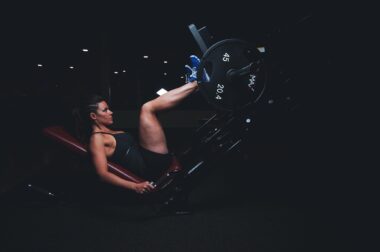
Each part of the Push Pull Legs routine serves a specialized purpose, and understanding these aspects contributes to a full-body workout schedule. On push days, exercises like bench presses and shoulder presses are featured, targeting major pushing muscles. During pull days, movements such as deadlifts and pull-ups are included to engage the back and biceps effectively. This segmentation not only allows for focused training but also ensures that muscle groups get adequate rest. Leg days incorporate squats and lunges, focusing on quad, hamstring, and glute musculature. A key principle is to allow muscle groups a minimum of 48 hours to recover after an intensive workout. This precaution helps avoid overtraining. To amplify results, many athletes combine this routine with proper nutrition and hydration, which further promotes recovery. Monitoring your intensity is crucial as well. Using techniques like progressive overload can be beneficial, gradually increasing weights or reps. Therefore, balancing workouts and recovery leads to enhanced strength gains. Muscles grow during the recovery phase as they repair microscopic tears induced during workouts. Finding that balance is essential for optimal results and maintaining muscle health.
The Importance of Nutrition in Recovery
Nutritional strategies play a significant role in muscle recovery, especially when practicing a Push Pull Legs routine. Proper hydration is essential, as water facilitates nutrient transport and supports muscle function. Moreover, sufficient protein intake aids in repairing and building muscle tissue. Aim for a balanced diet rich in lean proteins, whole grains, and plenty of fruits and vegetables. After workouts, your body needs essential nutrients to recover adequately. Consuming a post-workout meal or protein shake is advisable within an hour after training. This window allows the body to capitalize on nutrient absorption efficiently. Consider options such as chicken with quinoa or a banana with peanut butter to replenish energy stores. Additionally, healthy fats from sources like avocados and nuts contribute to overall health. Monitoring nutrient timing can further enhance your muscle recovery process. A solid approach includes planning meals and snacks around your workout schedule. Don’t forget the role of carbohydrates. They serve as fuel for muscle activity and can impact recovery during demanding routines. A well-rounded nutritional plan supports muscle recovery cycles, ensuring better performance in workouts. By prioritizing nutrition, you set your body up for success.
Rest and sleep are equally vital in the muscle recovery process, particularly when engaging in a rigorous Push Pull Legs routine. After workouts, your body begins the recovery phase, during which tissues repair and grow. This process requires adequate amounts of sleep, ideally seven to nine hours per night. Inadequate sleep can increase fatigue, affect performance, and inhibit muscle growth. Furthermore, sleep promotes hormone regulation, such as growth hormone, vital for recovery. Prioritize creating a restful environment conducive to quality sleep, such as keeping your room dark and cool. Incorporating relaxation techniques before bedtime, like stretching or meditation, may improve sleep quality. Additionally, listen to your body’s signals. If you’re feeling excessively sore or fatigued, consider adjusting your workout structure. Taking a proper rest day or participating in active recovery through light activities like walking or yoga can help rejuvenate fatigued muscles. The importance of integrating recovery into your workout strategy cannot be overstated. A balanced approach allows the body time to rebuild and facilitates long-term progress. Especially with the Push Pull Legs framework, management of both physical and mental recovery is essential for peak performance.
Incorporating Active Recovery
Active recovery can significantly enhance your muscle recovery cycles while following a Push Pull Legs routine. Instead of complete rest days, engaging in low-intensity activities can facilitate blood flow to sore muscles and promote healing. Options include light jogging, swimming, or yoga, all of which effectively alleviate muscle tension without the strain of traditional workouts. The aim is to maintain movement while allowing muscles the chance to recover. Incorporating activities like foam rolling can release muscle tightness, further aiding in the recovery process. Another method to enhance the active recovery experience is to focus on mobility exercises targeting areas that underwent significant strain during workouts. Improved mobility allows for better performance when you return to intense lifting sessions. Additionally, participating in sports or recreational activities provides a fun alternative that keeps your body engaged without overexerting itself. The key is not to push hard, but rather to support recovery actively. This balanced approach of emphasizing both work and recovery creates an environment for muscle growth while reducing injury risk. Ultimately, active recovery plays an integral role in optimizing your Push Pull Legs training strategy for better results.
Tracking your progress is another essential aspect of understanding muscle recovery cycles within a Push Pull Legs routine. Keeping a workout journal allows you to note your exercises, weights, and reps completed in each session. This practice helps highlight personal progress and adjust when necessary. Pay attention to how your body feels post-workout and assess if recovery is on track. If soreness lasts longer than expected or your performance decreases, it may indicate insufficient recovery strategies or the need for changes in your routine. Experimenting with workout variations, intensity, and rest intervals can lead to improved outcomes. Success varies between individuals, so recognizing your body’s unique responses is crucial. Learning when to push harder and when to scale back takes time, patience, and continual assessment. Additionally, consider exploring recovery tracking technology available today, such as apps designed to monitor heart rate variability, sleep patterns, and overall energy levels. These tools allow for deeper insights into your recovery process and adaptations needed. Ultimately, the goal of balancing Push Pull Legs training with effective recovery is to create a sustainable fitness journey that promotes health and progress.
Conclusion
In conclusion, mastering muscle recovery cycles within a Push Pull Legs routine is essential for anyone committed to strength training. By understanding the significance of rest, nutrition, and active recovery, you can optimize muscle gains while minimizing the risk of overtraining. Focus on giving your body the recovery time it needs between intense workout sessions. Coupled with proper hydration, balanced meals, and enough sleep, you pave the way toward achieving your fitness goals. Consider exploring personal boundaries through journaling and employing tracking technologies to tailor your routine precisely to your needs. Remember, listening to your body’s signals is paramount; adapting to those signals promotes continual growth. With thoughtful planning and prioritization of muscle recovery, you will enhance not just performance levels but your overall fitness quality. The Push Pull Legs framework supports an effective balance of workload and rest, providing a well-rounded approach to fitness. This method allows individuals at any level to enjoy the numerous benefits of effective muscle recovery while striving toward muscle and strength development. Engage with your routine, prioritize recovery, and witness the transformational results unfold as you progress.