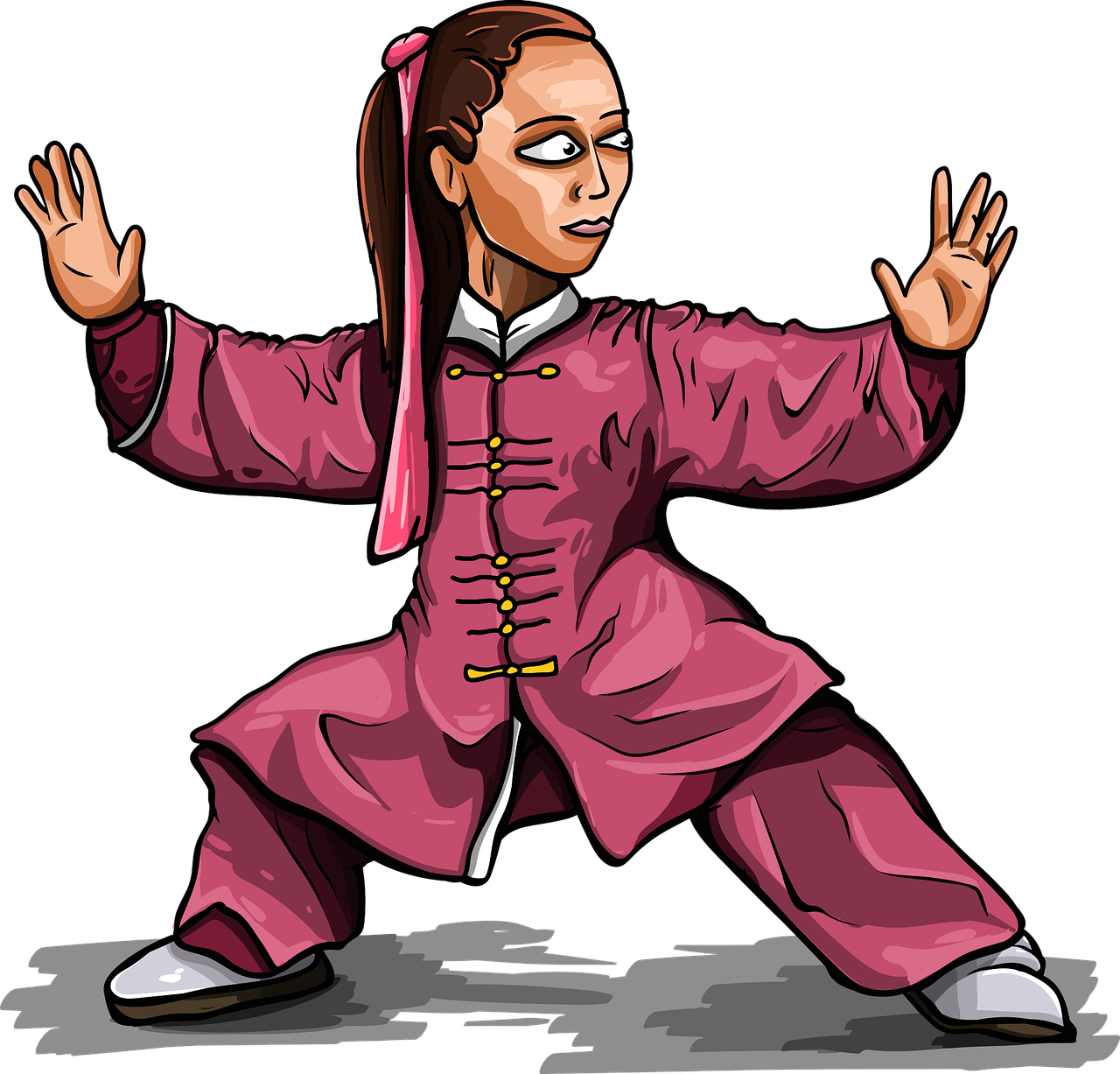

Tai Chi: A Mindful Practice for Senior Strength and Balance
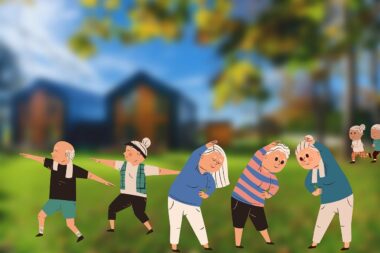
Tai Chi is an ancient Chinese martial art, widely practiced by seniors for its numerous health benefits. This mindful practice elegantly combines slow, deliberate movements with deep breathing, promoting relaxation and mental wellness. It is ideal for older adults seeking to enhance flexibility and balance, crucial for maintaining independence. Moreover, Tai Chi exercises are low-impact, making them suitable for various fitness levels and limitations. Seniors can practice it indoors or outdoors, allowing for social interaction and connection with nature, which can boost emotional health. Regular sessions can improve muscle strength, stability, and alignment, reducing the risk of falls. Participants often report increased vitality and a sense of calmness. The meditative aspect of Tai Chi encourages mindfulness in motion, allowing practitioners to be present while moving. By focusing on each posture and transition, seniors cultivate awareness of their bodies and breath, fostering a deeper connection to oneself. Additionally, practicing Tai Chi can enhance cognitive function and memory, especially when learned in groups. It is a holistic exercise that promotes both physical and mental well-being, making it a valuable addition to any senior fitness regimen.
The foundational principles of Tai Chi center on balance and stability. In this art, seniors learn to shift their weight from one leg to another, providing an excellent workout for the lower body. This technique not only helps in building strength in the legs but also enhances proprioception, which is our awareness of body positioning. Each movement encourages fluidity and grace, as well as improved joint mobility. Tai Chi’s gentle flow can be particularly beneficial for seniors recovering from injuries or those suffering from arthritis, as it minimizes jarring movements. The rhythmic patterns allow the practice to be performed at a leisurely pace, making it easy to follow. An important aspect is focusing on breathing patterns that synchronize with body movements. A calm, focused breath helps manage stress and instills a sense of peace. Regular practice leads to decreased muscle tension and improves circulation, which can positively impact overall health on multiple levels. This ancient practice not only promises better physical health but also emotional benefits, providing a reservoir of energy and enhancing overall quality of life for seniors entering their golden years.
Health Benefits of Tai Chi
Tai Chi offers numerous health benefits for seniors seeking a better quality of life. First and foremost, it significantly improves balance, which is essential for preventing falls, a common concern among older adults. As people age, balance tends to decline, making Tai Chi an invaluable asset in maintaining safety and independence. This practice enhances leg strength and stability through its low-impact movements. By incorporating mindful techniques, Tai Chi improves muscle tone and functional strength, allowing seniors to perform daily activities with greater ease. Furthermore, it has been shown to positively affect cardiovascular health by improving circulation and lowering blood pressure. Studies indicate that regular participants experience reduced anxiety and depressive symptoms, creating a calmer, happier mental state. With its focus on gentle movements, Tai Chi can alleviate chronic pain, especially in conditions like arthritis or back pain, further promoting a healthy lifestyle. Participants also report better sleep quality, which is vital for recovery and resilience. In addition, the meditative quality of Tai Chi fosters emotional well-being, creating a sense of connection within oneself and with the community around them.
Incorporating Tai Chi into a senior fitness routine can be a transformative experience. Many community centers or health clubs offer Tai Chi classes specifically designed for seniors. These sessions focus on safe practices and adjustments to cater to various fitness levels. Finding an instructor experienced in teaching older adults is key to ensuring both safety and effectiveness. Classes typically begin with a warm-up, gradually moving into basic forms and principles of Tai Chi. Participants often find that group classes enhance motivation and enjoyment. The social element not only provides a sense of community but also encourages consistency in attendance, which is vital for reaping the benefits of Tai Chi. Equipment can be minimal, requiring only comfortable clothing and supportive footwear. The routine is easily adjustable; thus, individuals can practice the exercises at home as well, allowing for additional reinforcement. It is important to remain patient, as mastering Tai Chi takes time and consistent practice. As seniors become more proficient, they may integrate more advanced postures and forms, continuously challenging and strengthening their bodies and minds. Gradually, this integration into one’s life cultivates a rich, rewarding practice that enhances overall well-being.
Mindfulness and Meditation in Tai Chi
Mindfulness is integral to the practice of Tai Chi, acting as both a mental and physical tool. During Tai Chi, participants are encouraged to center their thoughts, focusing solely on their movements and breath. This focus helps cultivate a meditative state, allowing concerns and distractions to fade away. By immersing oneself fully in each form, practitioners not only develop physical strength but also emotional resilience and clarity. The combination of breathing and movement serves as a form of moving meditation, grounding the mind in the present moment. Research suggests that incorporating mindfulness techniques can significantly reduce stress levels, improving mental health. Practicing mindfulness through Tai Chi encourages a deeper awareness of body sensations, emotions, and thoughts. This awareness helps individuals learn to respond to challenges more effectively. Seniors practicing this mindful art may experience greater cognitive functioning and emotional balance. By enhancing their ability to concentrate, seniors cultivate a better understanding of their capabilities, improving self-esteem. These mental benefits can enhance their daily lives in remarkable ways, making them feel empowered while navigating the complexities of aging, promoting a holistic sense of wellness.
To start practicing Tai Chi, individuals do not need prior experience or extensive knowledge. It is advisable to consult with a healthcare provider before beginning, particularly for seniors with existing health conditions. Local classes are often available, providing guided instruction in a supportive environment. Online resources, videos, and tutorials are also accessible for those wishing to practice at home. It is essential to choose a space that is spacious enough to enable fluid movement. Additionally, one should wear comfortable clothing that allows for a full range of motion. When beginning, focus on learning fundamental postures and breathing techniques; these are critical for mastering Tai Chi. Practicing regularly, even for 10-15 minutes daily, can yield significant benefits over time. Enthusiastic practitioners can eventually expand into deeper forms, allowing for more profound personal growth. Many find great joy in the journey of learning and mastering Tai Chi as an art form. Connect with fellow enthusiasts in community classes or online groups to share experiences and insights. Encouragement from others can enhance motivation and enrich the practice. Ultimately, Tai Chi offers opportunities for ongoing personal growth, resilience, and connection with both body and spirit.
Conclusion
In conclusion, Tai Chi stands out as an exceptional mindful practice for senior strength and balance. Its numerous benefits enhance physical health, emotional well-being, and overall quality of life. The low-impact nature allows for inclusive participation, accommodating various fitness levels among older adults. As this practice emphasizes balance, stability, and flexibility, it serves as an effective means of fall prevention. The included mindfulness aspects cultivate emotional resilience, promoting a greater sense of peace and relaxation. Regularly practicing Tai Chi can foster a deeper connection with oneself and with the community. By participating in group classes or focusing on home practice, seniors can enjoy the rich tradition this art offers and encourage ongoing engagement. Guided sessions led by experienced instructors ensure safety while facilitating a supportive learning environment. Adopting Tai Chi as a routine can contribute to both physical wellness and mental clarity. Consider investing time in this fulfilling habit that can nurture a vibrant, healthy lifestyle during senior years. With dedication, patience, and practice, the rewards of Tai Chi will undoubtedly enrich one’s life, guiding seniors on a journey toward wellness and mindfulness. Embrace the flow of Tai Chi for a balanced life.
People can find resources to learn Tai Chi online or in local communities, ensuring accessibility. Try attending various classes to find an instructor who resonates with your style of learning. Embrace the beautiful practice of Tai Chi as a pathway to vitality and mindfulness as you gracefully navigate your senior years. Enhance your journey by incorporating community-building activities alongside personal practice, allowing for a holistic approach to fitness. Signing up for workshops can deepen your understanding further, making you a more proficient practitioner. Enabling connection through practice, Tai Chi can celebrate authenticity and joy in movement, opening doors to new friendships. Always stay connected with your body’s needs, ensuring your practice remains a safe and positive experience. Enjoy the inner peace cultivated within the flow of each movement, remembering the importance of celebrating progress along the way. Acknowledge every achievement, big or small as they contribute to your overall growth and development. Share your experience with others to inspire a collective journey toward health and balance, making Tai Chi a rewarding adventure for everyone involved.