
Static Stretching Protocols for Seniors: Safe and Effective Methods
As we age, maintaining flexibility and mobility becomes increasingly important. Static stretching offers an effective way for seniors to improve their range of motion without risking injury. This method of stretching involves holding a stretch for a sustained period, typically 15 to 60 seconds. It differs from dynamic stretching, which encompasses movements in a more active way. Implementing static stretching into a daily routine can enhance overall physical performance. This approach serves various benefits, including improved posture, reduced muscle tension, and alleviation of pain. Furthermore, regular stretching helps decrease the risk of injuries during various activities, making it vital for seniors. It is essential to remember that proper technique is paramount. Incorrect posture can lead to strains or pulls, countering the stretching’s positive effects. Therefore, engaging in a guided stretching session, either with a physical therapist or through well-designed programs, is recommended. Listening to your body and avoiding overexertion is vital for maintaining a safe routine. With consistency, seniors can experience significant benefits, leading to improved quality of life and greater independence in daily tasks.
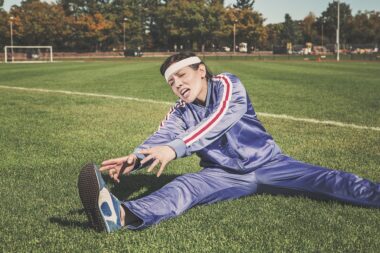
Before beginning any static stretching routine, seniors should consult their healthcare provider, especially if they have existing conditions. Specific considerations, such as joint pain or limited mobility, can influence recommended stretches. Developing a well-rounded routine typically includes stretches targeting major muscle groups like legs, arms, and back. You can focus on areas where you frequently experience stiffness or discomfort. Some effective stretches include the seated hamstring stretch, shoulder stretch, and quadriceps stretch. Each stretch session should start with a gentle warm-up, composed of light physical activities, enhancing blood flow and muscle readiness. This preparation serves to avoid any injuries while stretching. Once warmed up, seniors can hold each stretch for an optimal duration, ensuring no bouncing or jerking motions are involved. Keeping breathing steady helps during holds; inhaling while stretching and exhaling when holding can enhance relaxation. After completing a set routine, spend a few moments allowing the body to cool down. This process can further reduce muscle tightness and enhance muscle recovery. Consistency is key, aiming for every other day to see notable improvements in flexibility.
Essential Static Stretching Techniques for Seniors
Various static stretching techniques focus on flexibility for seniors. Here are some of the most beneficial static stretches to incorporate into a routine. Firstly, the calf stretch helps alleviate tightness and improve ankle mobility. Stand facing a wall, extending one leg behind while keeping it straight. Gently press the back heel into the floor until a stretch is felt in the calf. Next, the seated forward bend targets the hamstrings and lower back. Sit with legs extended, inhaling while lifting the arms overhead, and gently bending from the hips, reaching towards your feet. Additionally, the butterfly stretch promotes hip flexibility. Sit with the soles of your feet together, allowing knees to drop towards the floor. Gentle pressing of the knees with your elbows can deepen the stretch. Another effective stretch is the triceps stretch, which alleviates shoulder tension. Raise one arm overhead, bend at the elbow and reach down your back. Use the opposite hand to gently push back on the elbow. Incorporating these techniques will encourage progress over time while ensuring methods remain safe.
While performing static stretching, adhering to some fundamental safety tips is vital. Always ensure the area is well-lit and free from any potential hazards, preventing falls or accidents. Wearing comfortable clothing that allows for a full range of motion will enhance the stretching experience. Additionally, consider using props such as yoga blocks or chairs for additional support during more challenging stretches. Start slowly and perform stretches gently, avoiding any sudden jerks or motions that could lead to injuries. Stretch to the point of mild discomfort but never to the extent of pain. Also, proper hydration is crucial before and after any physical activity, including stretching, optimizing muscle function. If at any point a stretch causes pain, it’s essential to ease out of the stretch immediately. Adjusting the stretch, changing the position, or seeking alternative techniques may be necessary. Finally, encourage a relaxed mindset during the routine, promoting benefits of stretching through mental focus. Stretching should never feel rushed; taking time can greatly care for the body while maintaining overall wellness.
Recommended Stretching Frequencies for Seniors
Establishing a routine for static stretching is crucial in maintaining flexibility and mobility. It is generally recommended for seniors to aim for at least two to three stretching sessions per week. These sessions must focus on different muscle groups each time to promote balance and prevent stiffness. Additionally, seniors may benefit from daily stretching, particularly during days when no more intensive workouts occur. This strategy enhances flexibility and can double as an effective relaxation technique. Consider setting aside a specific time of day dedicated to stretching, allocating around 15 to 30 minutes for each session. This regular commitment creates a smooth routine integrated with daily life. Ultimately, listening to your body and assessing how your muscles feel will determine the actual frequency. Over time, you may find muscle tightness decreasing, making it easier to stretch more frequently. Furthermore, incorporating stretching into other activities, such as post-walking or light exercises, can serve as an effective method. Finding a partner or utilizing exercise classes may motivate seniors to engage regularly and maintain consistency.
Engaging in conversations about stretching practices with peers or family members can also yield multiple benefits. Sharing the stretching journey fosters social interaction and encourages accountability among seniors. Exercising in a group promotes the mental aspect of fitness, building camaraderie and enthusiasm for staying active. Family involvement also serves to ensure safety, as relatives can assist if needed to monitor forms or techniques. Seniors may feel more motivated to stretch together as they can exchange ideas about techniques, benefits and their experiences. Moreover, utilizing online resources or videos tailored for seniors provides additional content to explore the vast world of stretching routines. Keeping an open mind about various stretching techniques to enhance wellness is essential, as each individual may have preferences. Partners can help demonstrate various approaches while engaging in discussions, leading to possible discoveries in how certain stretches affect flexibility. Social connections during these activities can amplify the overall benefits. Through camaraderie and a shared sense of achievement, seniors can create meaningful goals surrounding flexibility and mobility, enriching their daily lives.
Conclusion: Fostering Lifelong Flexibility
In conclusion, implementing static stretching practices into daily routines can significantly benefit seniors regarding flexibility and mobility. By understanding effective techniques and the importance of safety, seniors can maximize their stretching experience. Establishing a regular routine, complemented by safety precautions and shared experiences, fosters an enjoyable stretching environment. Ultimately, the ability to maintain flexibility will enhance seniors’ overall quality of life, increasing independence in daily tasks. Consistent stretching routines nurture not only physical wellness but also mental well-being by fostering a sense of relaxation. Those who actively participate in stretching can expect to notice improvements in posture and a meaningful decrease in discomfort related to aging. Joining community classes or initiating group stretches emphasizes the social aspect while nurturing connections. Embracing the journey toward flexibility can lead to fulfilling engagement in physical activities, showcasing that age should not define one’s capability to remain agile and mobile. Cherishing these moments of personal growth reaffirms the value of each effort directed toward enhancing flexibility, as even simple stretches contribute immensely to holistic health. Therefore, take the first step today by committing to a stretching routine tailored for your individual needs.
Incorporating flexibility exercises into one’s lifestyle encourages the exploration of other physical activities also effective for seniors. Walking, swimming, or gentle yoga can complement static stretching routines. These activities keep the body engaged while further promoting overall health. Experimenting with diverse methods of fitness can unlock further opportunities for connection, social interaction, and joy. The journey toward lifelong mobility does not have to be taken alone, as peers and loved ones can enhance the overall experience. With consistent dedication, seniors can continue to defy conventional limits and explore personal growth through mobility.