
Prenatal Fitness Classes: What to Bring and What to Expect
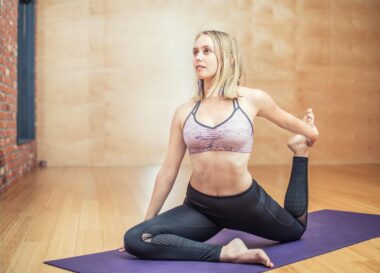
Prenatal fitness classes effectively support a healthy pregnancy. Whether you are a beginner or have experience, these classes can help prepare you for the changes ahead. To get the most out of your classes, knowing what to bring is essential. First, always bring a water bottle to stay hydrated. Staying hydrated is crucial during exercise, especially in warm environments. Additionally, consider bringing a towel for comfort during workouts, as you might sweat a lot. Wearing proper workout attire that accommodates your growing bump is another important consideration. Choose breathable, stretchy fabrics to allow ease of movement. It’s also a good idea to wear supportive footwear that provides stability and comfort. Some classes may require yoga mats; however, most will provide them. It’s beneficial to consult your instructor regarding any equipment you may need to bring along. Check that a supportive sports bra is also included in your outfit to ensure maximum comfort during high-impact exercises. This makes your experience enjoyable and safe while helping you bond with other moms-to-be.
Before attending a prenatal fitness class, ensure that your doctor approves of your participation. Communication with your healthcare provider is vital, as they understand your unique medical history and pregnancy stage. If you have any complications, they may advise caution or suggest specific modifications to your routine. Prior to joining, familiarize yourself with class options available in your area. Various types of classes exist, ranging from yoga and Pilates to dance and aqua aerobics. Look for programs that emphasize both safety and endurance, designed for pregnant women. Another recommendation is to ask about the instructor’s qualifications and experience in prenatal fitness. Knowing that your instructor is knowledgeable and trained to handle the specific needs of pregnant women is essential for your comfort and safety. Be sure to register for classes that suit your fitness level, even if you are a seasoned athlete. Modifications will be necessary to adapt exercises for your changing body, so ensure you reflect on your current fitness condition honestly. Enjoy the experience of meeting fellow mothers and building a supportive community throughout your journey.
Understanding Class Dynamics and Environment
Every prenatal fitness class you join may have different dynamics and teaching styles. Most importantly, the environment should be welcoming and encouraging, providing a sense of community among participants. As you settle into your first class, take some time to observe the vibe and how the instructor engages with students. Understanding how to navigate group dynamics can significantly enhance your experience. Don’t hesitate to ask questions or express any feelings; your instructor should be your primary support for concerns during class. Each instructor will have their own approach, so find someone who resonates with your preferences regarding their teaching style. Classes often incorporate relaxation techniques, so whether it’s gentle stretches or focused breathing exercises, these elements can provide significant physical benefits. Maintain an open mind and be receptive to the varied modalities presented, especially if you experience discomfort. For some, learning how to incorporate mindfulness and relaxation into your routine may be a new endeavor. Overall, aim for positive experiences that motivate you to continue along your fitness journey.
Prenatal fitness classes provide vital support to mothers, but they also help with key preparations for labor. As pregnancy advances, physical fitness contributes to stamina, muscle tone, and mental wellness. Committing to regular movement can increase your ability to handle challenges as delivery approaches. Many expectant mothers experience anxiety, making a fitness regimen integral to stress management. Instructors often guide you through exercises that prepare your body for the birth process. Certain movements may alleviate physical discomfort while also enhancing flexibility and strength. Learning how to focus on breathing during workouts can translate into labor techniques, empowering you when the time comes for childbirth. Moreover, classes emphasize pelvic floor exercises to enhance muscle tone before delivery, resulting in improved recovery. Each of these aspects contributes to creating a strong foundation for motherhood. Make note of exercises that resonate with your specific needs, and consider practicing them separately from class time. It’s essential to develop a personalized fitness routine that aligns with the strategies shared in class while focusing on comfort and enjoyment.
Complementing Prenatal Classes with At-Home Practices
Attending prenatal fitness classes is immensely valuable, but enhancing the experience with at-home practices is equally important. Try to create a fitness schedule that balances your class days with easy home workouts. Consider investing in online resources or apps that offer guided exercises. Yoga, Pilates, and gentle stretching routines can be easily adapted to your home environment. When practicing at home, focus on maintaining proper technique to protect yourself and your baby. Use the knowledge acquired in class to help you modify exercises based on your comfort level. Participate in online communities or social media groups that align with prenatal fitness. These platforms can provide motivation and accountability, maximizing success in your home workouts. Furthermore, you may also want to lead discussions about your experiences in class, sharing tips and tricks with other moms-to-be. Document any changes in your body and overall well-being, as this may serve as a motivational tool. During these changes, learning about different aspects of personal care can significantly improve your overall experience as you progress through pregnancy.
Maintaining a balanced and nutritious diet is paramount during pregnancy, and fitness classes can support this. Many programs emphasize the importance of combining exercise with nutritional guidance tailored for expecting mothers. After each class, consider discussing dietary choices with your instructor or fellow participants. Share recipes or meal ideas that support energy and wellness during your pregnancy journey. Staying nourished contributes to an energized workout, enhancing overall performance. Focus on maintaining consistent healthy habits by prioritizing fresh fruits, vegetables, whole grains, and protein sources that promote growth and development. Consult a nutritionist if possible to understand how to adapt your diet, as they can help outline nutrient requirements specific to your needs. Hydrating adequately before, during, and after workouts is also crucial. This need amplifies since physical activity increases perspiration. Making it a habit helps improve digestion while promoting energy levels throughout your pregnancy. As you connect with fellow moms, share in the camaraderie of navigating dietary choices. By encouraging one another and discussing strategies, you can foster a deeper all-around prenatal experience.
The Significance of Postnatal Support
As you engage in prenatal fitness classes, remember the value of postnatal support following childbirth. Connecting with instructors can provide insights into transitioning from prenatal to postnatal fitness safely. Many facilities offer specialized courses crafted to support recovery after delivering your baby. Engaging in this process aids in regaining strength while permitting bonding and adjustment to motherhood roles. Maintaining a network of friends and instructors can offer lasting relationships as you weave through motherhood’s ups and downs. Sharing your experiences fosters deeper connections among fellow participants, enhancing the emotional aspects of prenatal and postnatal journeys. Additionally, supportive environments empower moms to embrace challenges together while providing encouragement. Don’t hesitate to reach out to the community created in your classes for continued support. Engaging with others helps create a blueprint for success in personal fitness, even after your baby arrives. Workshops focused on skills for rejuvenation may give valuable advice for postnatal recovery. Your fitness journey doesn’t end with pregnancy; rather, it expands infinitely as you adjust to new life chapters.
The journey through pregnancy is unique, and participating in prenatal fitness classes adds value to the experience. Consistency in attending classes and following discussions with instructors promotes a healthy routine. As you prepare for motherhood, understanding what to expect ensures that you maximize benefits while prioritizing self-care. Your emotional well-being is equally significant, as classes encourage personal connections with others on similar paths. Engaging with peers creates lasting friendships that enrich the entire journey. Make use of the resources available around you, including experts in fitness and health, which can enhance your knowledge. Continually learn about different exercises, nutrition, and emotional support aspects related to pregnancy. Embrace the empowering nature of exercising while pregnant, as it fosters resilience in managing life’s changes. Remember to celebrate small achievements and milestones throughout the process, helping to keep your spirits high. Ultimately, prioritizing your well-being through fitness reflects positively on your experience as a mother. As the transition to motherhood approaches, focus on nurturing relationships while staying true to your health aspirations.