
Introducing Solid Foods: Vegetarian Choices for Babies
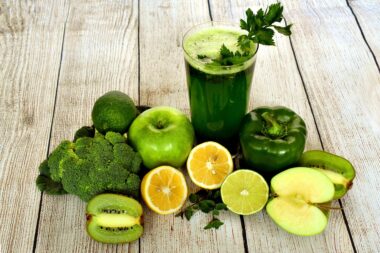
Introducing solid foods to your baby is an exciting milestone in their development. For parents choosing a vegetarian diet for their children, it’s essential to select nutritious foods that support overall growth. Whole grains, fruits, vegetables, and legumes can form a solid base for a well-rounded vegetarian diet. Always consult with a pediatrician to understand the unique nutritional needs of your child. Starting with single-ingredient purees allows you to identify any potential allergies easily. Gradually combine these with more diverse ingredients as your baby grows accustomed to solid foods. Common vegetarian options include sweet potatoes, peas, and apples. Packing these foods with iron-rich foods such as lentils and fortified cereals can help to ensure your baby receives enough essential nutrients. It’s crucial to maintain a balance of proteins, vitamins, and healthy fats, which are foundational for your baby’s brain development. Creative presentations can also entice babies to try new foods, making mealtime enjoyable. Regular mealtime patterns can assist in developing healthy eating habits that endure as children grow. Always focus on variety, color, and flavors to keep your baby’s dietary experience enriching and fun.
First Foods to Consider
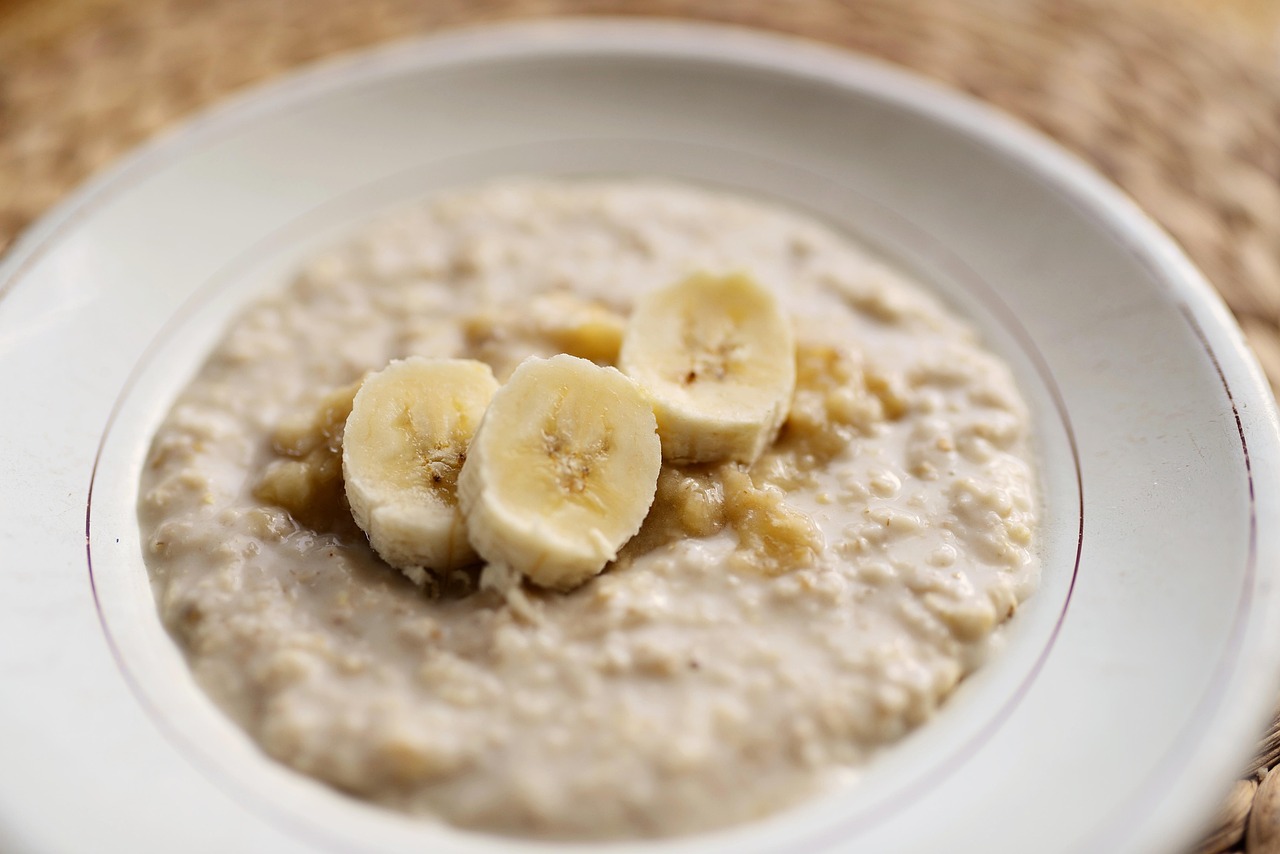
There are several nourishing vegetarian foods that can be introduced to your baby. Start with iron-fortified cereals, as they provide an excellent source of iron vital for babies. Brown rice and oatmeal are also nutritious options that are easy to prepare. Vegetables such as sweet potato, carrots, and avocados offer healthy fats and vitamins that promote growth and development. Fruits like bananas, pears, and peaches add natural sweetness and vital nutrients to your child’s diet. Once your baby is comfortable with purees, consider introducing mashed versions of soft vegetables and fruits. Legumes like lentils and black beans are protein-packed and highly nutritious. Other noteworthy choices include spinach and kale, which are rich in iron and other essential vitamins. Always cook vegetables thoroughly and puree or mash them to avoid any choking hazard. Remember, flavor and texture can play significant roles in how receptive your baby is to trying new foods. Be attentive to your baby’s preferences; they may love some foods while rejecting others. Engaging them in the selection and preparation process fosters healthy eating throughout childhood and beyond.
Benefits of a Vegetarian Diet
Adopting a vegetarian diet for children can offer numerous benefits when done thoughtfully. A well-structured vegetarian diet provides essential nutrients, promoting a healthy lifestyle. Nutrient-dense foods like fruits, vegetables, whole grains, legumes, nuts, and seeds are not only delicious but power-packed with vitamins and minerals. Research indicates that well-planned vegetarian diets may reduce the risk of obesity in children. They also promote heart health since plant-based diets typically contain less saturated fat than meat-based ones. Furthermore, vegetarian diets encourage children to develop natural preferences for whole foods versus processed options. With exposure to various tastes and textures, children are more likely to maintain diverse eating habits throughout their lives. A vegetarian diet can also be more environmentally sustainable, as plant-based foods usually require fewer resources to produce than animal products. Moreover, raising children on a vegetarian diet may foster empathy towards animals and nature, instilling values of compassion early on. This understanding can lead to a future generation that prioritizes health and sustainability. The combination of ethical, health, and environmental considerations makes vegetarianism an appealing choice for families.
Planning meals for a vegetarian child requires attention to detail and creativity. Incorporating a variety of colors and textures ensures that meals remain interesting and appealing for the little ones. It’s vital to follow appropriate portion sizes based on age while focusing on nutrient-dense foods. Meal prepping can save time and ensure that you always have healthy options available. When possible, involve your children in the cooking process; it encourages them to try new foods while learning valuable life skills. Consider creating fun food shapes using cutouts or arranging meals into colorful patterns. Snack time can also be an opportunity to introduce healthy options like hummus paired with veggie sticks. Engaging your child in conversations about nutrition can empower them to make wise food choices. Experimenting with flavors and spices can also expand their palate. It’s essential to stay patient as children may be hesitant to try new foods at first. The consistency in introducing varied vegetarian options can help them develop a preference for the right foods over time. Keep in mind that mealtimes should remain positive and pressure-free.
Common Concerns and Solutions
Many parents worry about essential nutrient intake when raising vegetarian children, particularly regarding protein, iron, calcium, and vitamins B12 and D. However, with proper planning, it’s possible to meet all these needs. Incorporating a daily variety of beans, lentils, and tofu can provide necessary protein for active little bodies. Iron can be found in green leafy vegetables, fortified cereals, and seeds, paired with vitamin C-rich foods to enhance absorption. Calcium needs can be met through fortified plant-based milk products, green vegetables, and tofu. Supplementation for vitamin B12 may be necessary, especially if avoiding all animal products. It’s critical to discuss any concerns regarding vitamins and minerals with your child’s healthcare provider. Using herbs and spices can improve palate development while also providing extra health benefits. Additionally, it’s advisable to keep iron-rich foods on hand to address potential iron deficiencies. Regularly monitor your child’s growth and development to ensure their dietary needs are being met. A balanced and thoughtfully planned vegetarian diet provides an abundance of opportunities to introduce diverse, wholesome foods. Maintaining an open dialogue about nutrition encourages wise choices and fosters a positive relationship with food.
Simple cooking methods can help make vegetarian meals appealing to children. Steaming, baking, and roasting are healthy options that preserve flavor and nutrients. Try to prepare meals with minimal added sugar and processed ingredients. Opting for whole foods whenever possible should be your main cooking philosophy. Children thrive on routine, making mealtimes a perfect opportunity for family gatherings. Shared meals provide a chance for connection and reinforce positive associations with food. Explore different cooking techniques with your children; they can help prepare meals, fostering independence and skills in the kitchen. Home-cooked meals also allow you to control portion sizes and the types of ingredients being used. Familiarize them with vegetarian recipes that boost confidence over time and teach creative problem-solving skills. Always be mindful of food allergies or sensitivities your child may have. Engaging their senses during the cooking process can deepen their appreciation for healthy foods. Experiment with flavors, textures, and nutritious ingredients! Keep in mind that introducing new foods may take several attempts before they are fully accepted. The journey may require patience, but the benefits of raising a healthy vegetarian eater far outweigh the challenges.
Embracing a Balanced Lifestyle
Encouraging a balanced lifestyle complements a vegetarian diet and fosters overall wellness for children. Physical activity should be combined with notable nutrition to support optimal growth and development. Motivate your children to engage in play, sports, and outdoor activities that cater to their interests. A healthy lifestyle and balanced diet give your child the energy needed for daily adventures. Engaging them in meal planning and cooking can provide further insight into the role of nutrition in their lives. Since children learn through example, model healthy eating habits for them. Maintain regular family meals where healthy choices remain a priority. Mindful eating can help children develop sustainable habits, allowing them to appreciate food and its flavors. Teaching them about portion control can also help prevent overeating later in life. Providing them with the right tools to make nutritious choices empowers their independence as they grow. As they navigate discussions about food with peers, positive reinforcement supports healthy habits. Lastly, celebrating their achievements in trying new vegetarian foods can motivate them towards lifelong health. Understanding the integral role nutrition plays in their lives sets them up for success now and in adulthood.