
Integrating Hydration into Your Mobility and Flexibility Routine
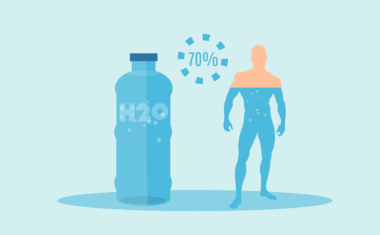
Hydration plays an essential yet often overlooked role in enhancing flexibility and mobility. Staying properly hydrated is crucial for muscle function and maintenance of joint health. Water helps lubricate joints, making movements smoother and reducing the risk of injuries during stretches or exercises. An adequate hydration level improves the effectiveness of workouts, allowing individuals to achieve greater range of motion. Adding hydration to your daily routine ensures that your muscles are sufficiently nourished. This is especially important when incorporating dynamic activities like yoga, pilates, or weight training into your regimen. Notably, hydration helps regulate temperature, which is vital for optimal performance when your body is under physical stress. Additionally, drinking water can increase energy levels, enabling you to engage more fully during your flexibility and mobility sessions. Whether it’s before, during, or after your workout, sipping water consistently keeps you in peak condition. Furthermore, experts recommend consuming fluids throughout the day, not just when you feel thirsty. Appropriate hydration, tailored to your personal fitness goals, enhances recovery and flexibility. With consistent hydration, you may notice improved performance, making it an integral part of your routine.
Incorporating hydration before and after your workouts can greatly impact your flexibility training outcomes. Exercise routines that focus on flexibility, such as stretching and yoga, require appropriate levels of hydration for optimal muscle function. Before beginning your routine, consider drinking a glass of water to prepare your body. This is crucial for enhancing blood flow and enabling muscles to respond better during stretches. Following the workout, replacing lost fluids prevents dehydration. Rehydrating helps in muscle recovery, allowing you to maintain flexibility over time. Conducting regular check-ins on your hydration levels can significantly benefit your flexibility training. An easy way to monitor your hydration status is by observing urine color and volume. Pale yellow usually indicates good hydration, while dark urine suggests otherwise. Along with water, integrating electrolyte drinks can provide essential minerals lost during intensive sessions. Focusing on whole-body hydration can improve range of motion in muscles and joints. Always aim for at least eight glasses of water a day, adjusting this amount based on your activity level and climate. Prioritizing hydration aids in maintaining an effective stretch routine, allowing your body to function smoothly and efficiently.
Aside from water, certain foods can support hydration and mobility. Fruits and vegetables with high water content contribute to overall fluid intake. Watermelon, cucumber, and oranges make excellent snacks that not only hydrate but also offer vitamins beneficial for muscle health and flexibility. Ensuring you include these foods in your diet provides added nutrients essential for recovery and performance. Additionally, maintaining a balanced diet with carbohydrates, proteins, and healthy fats enhances your energy levels, allowing you to perform stretches and exercises more efficiently. Nutrient-rich foods fuel your body, supporting it through challenging routines. Incorporating meals rich in iron and magnesium ensures that your muscles and nerves work optimally, which is crucial for maintaining flexibility. Foods like nuts, seeds, and leafy greens contribute essential minerals to your diet. Consuming a diet rich in whole foods promotes not just hydration but also overall wellness. Essentially, a combination of hydration and nutritious foods results in enhanced physical performance. With this combined approach, you can enjoy greater flexibility during workouts and daily activities. Focusing on nutrition and hydration can yield long-lasting benefits to your fitness journey.
Understanding the Impact of Dehydration on Mobility
Dehydration can severely limit your flexibility and mobility, resulting in decreased performance. When you are dehydrated, muscle cramps and stiffness are common, both of which hinder your ability to stretch properly. This can lead to tightness in the muscles, making it difficult to achieve optimal range in your mobility routines. Moreover, a lack of hydration affects joint lubrication, resulting in discomfort and pain during movement. Individuals often underestimate their water intake, believing that they don’t need more fluids when engaging in lower-intensity mobility activities. However, even when not sweating profusely, adequate hydration is still necessary to support your body’s functions. Achieving your flexibility goals relies heavily on maintaining hydration levels. Symptoms of dehydration can include headaches, fatigue, and dizziness, which can derail your workout. Therefore, ensure you are aware of your hydration needs even when exercising at lower intensities. Timing your fluid intake can create proactive benefits for your workout sessions. By preventing dehydration, you are not only enhancing your flexibility but also increasing your overall performance levels, leading to better workout efficiency in the long run.
Adopting a hydration schedule can enhance your flexibility practice significantly. It is beneficial to set reminders for water intake throughout the day to avoid forgetfulness. This is especially helpful if you tend to become engrossed in work or activities that distract from your fluid needs. A practical approach would be to consume water at regular intervals, such as every hour. This strategy allows for consistent hydration, ensuring that your body remains adequately fueled for flexibility exercises. Furthermore, consider keeping a reusable water bottle handy during your workouts or in your daily routine. This not only provides easy access but also promotes environmental responsibility. Additionally, tracking your daily water consumption through apps or journals can help you identify patterns in your hydration habits. Evaluating this information enables you to adjust your habits as needed. Speaking with a nutritionist can also provide valuable insights tailored to your specific athletic needs. Personalizing your hydration schedule to fit your active lifestyle enhances your commitment towards maintaining effective mobility and flexibility. The improvement in performance could be immediate, making the effort worthwhile.
Supplements for Improved Hydration and Flexibility
Although drinking water is crucial, certain supplements can also help enhance hydration and flexibility. Electrolyte supplements, for instance, can be a valuable addition, particularly for those actively training or exercising in hot conditions. Electrolytes help maintain fluid balance in the body, which is essential for optimal function during mobility practices. Choosing high-quality electrolyte supplements can provide the necessary minerals to prevent muscle cramps and enhance endurance. Furthermore, collagen supplements may support joint health by improving flexibility and reducing pain. This is particularly useful for individuals with existing joint concerns or those experiencing stiffness. Strengthening connective tissues becomes crucial to maintaining flexibility as you age, so considering collagen might be beneficial. Always consult healthcare professionals before beginning any supplementary regimen. They can guide you through appropriate dosages and assist in choosing high-quality products tailored specifically to your needs. Balancing supplements with proper hydration strategies promotes optimum muscle recovery. Blending these practices will help you make more significant advancements in your flexibility or mobility routines over time. Staying informed about supplement options can leverage improvements in your fitness journey.
Creating a holistic hydration routine is vital for optimizing your flexibility and mobility sessions. This might involve integrating water intake, nutritious foods, and hydration scheduling into your day. Understanding the intertwining relationship between hydration and the body’s functionality boosts not just physical capacity but also your overall wellness. Engaging in discussions with fitness professionals about personalized hydration plans can lead to more effective results. After establishing these practices, ensure to assess their impact on your flexibility training. Monitoring how you feel during and after workouts can help, allowing adjustments to be made as necessary. Implementing these hydration strategies can prevent fatigue and improve your overall stretching experience. Furthermore, staying mindful of your hydration levels ensures that you do not overlook this essential aspect of fitness. Positive changes may be noted over time, fueling your motivation and commitment to deepening your flexibility journey. As you progress, adjust your hydration methods according to changes in your activity levels or environments, demonstrating adaptability and purpose in your routine. Remember that the path to improved flexibility and mobility is an ongoing process, and staying hydrated is essential for achieving your goals.