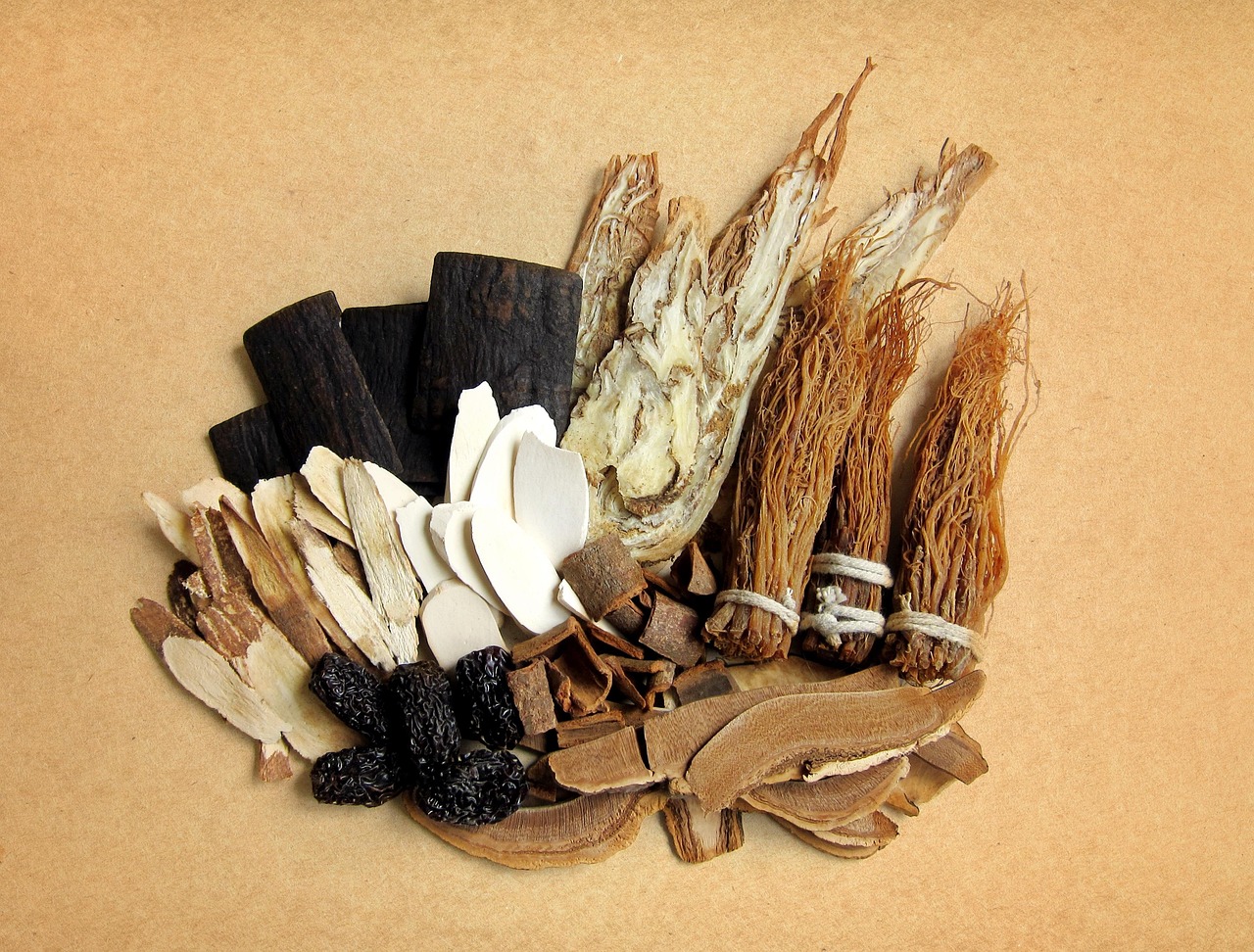

Ginseng: A Natural Boost for Endurance and Recovery
Sports nutrition encompasses a wide array of elements that contribute to improved athletic performance, among which herbs and botanicals play a crucial role. Ginseng is one such herb that has gained popularity in the realm of sports nutrition. This adaptogenic root has been used in traditional medicine for centuries, but its benefits are now being studied more rigorously within modern nutritional science. One of the main reasons athletes turn to ginseng is its potential to enhance endurance. Studies suggest that ginseng may help improve energy levels, stamina, and even recovery. With some evidence pointing towards improvements in oxygen uptake and utilization, ginseng supports aerobic performance, making it appealing for endurance athletes. Furthermore, ginseng is celebrated for its ability to counteract fatigue and promote faster recovery. For athletes, quicker recovery translates to more effective training and, ultimately, better results in competitions. Utilizing ginseng as part of a well-rounded dietary strategy can truly make a difference in achieving performance goals. With careful integration into the diet, ginseng may serve as a powerful ally for athletes seeking to maximize their potential.
Alongside its benefits for endurance, ginseng is also known for its role in recovery from intense physical exertion. This herb boasts anti-inflammatory properties, which can aid in reducing muscle soreness and inflammation. For athletes engaging in strenuous training, minimizing recovery time is crucial because it allows for more frequent training sessions, subsequently culminating in enhanced performance. Additionally, ginseng has been linked with improved immune function, a factor often compromised during periods of intensive training. Athletes frequently experience fatigue and decreased immune response, making ginseng a valuable addition to their nutritional arsenal. This herb’s adaptogenic characteristics help the body effectively manage stress, further benefiting recovery. By regulating cortisol levels and enhancing resilience to physical and mental stressors, ginseng assists athletes in maintaining peak performance levels over a prolonged duration. This aspect is especially relevant during competition seasons when maintaining consistency amidst rigorous training regimens is vital. Moreover, it is important to note that ginseng-containing supplements can vary significantly in terms of potency and effectiveness, thus, selecting a high-quality product is essential for fruitful results.
Types of Ginseng and Their Benefits
Understanding the different types of ginseng is vital for athletes aiming to incorporate this herb into their nutrition plan. The most recognized varieties are Asian ginseng (Panax ginseng) and American ginseng (Panax quinquefolius). Asian ginseng is often celebrated for its energy-boosting properties, aiding physical performance, while American ginseng is typically recognized for its calming effects, which can assist with recovery and stress management. Combining both types in a nutritional strategy can create a balanced approach, optimizing endurance and recovery. Furthermore, other varieties like Siberian ginseng (Eleutherococcus senticosus) are also used though they differ chemically from Panax. Siberian ginseng is famous for enhancing stamina and general well-being but does not possess the same ginsenosides as Panax varieties. It can still be a beneficial adjunct. When exploring ginseng procurements, athletes should consider the sourcing and quality of the product. Organic options free of additives or fillers are ideal as they maximize the herb’s beneficial effects. Thus, selecting the right type of ginseng ensures that athletes optimize their performance potential through proper supplementation.
Incorporating ginseng into an athlete’s daily routine can be straightforward with different forms available, including capsules, powders, and teas. For athletes who prefer an easy-to-consume format, capsules offer a convenient option for on-the-go nutrition. On the other hand, powders can be mixed into smoothies or post-workout shakes, providing a delicious boost. In contrast, ginseng tea can serve as a warm, soothing alternative that can also aid in hydration, a crucial aspect of recovery. Regardless of the form chosen, ensuring regular intake enhances the benefits derived from this remarkable herb. Notably, timing of ginseng consumption can play a role in maximizing its effects. Some athletes may benefit from taking ginseng before workouts to capitalize on its potential energy-boosting properties, while others may prefer it post-exercise to support recovery. Awareness of personal responses to ginseng may help tailor its use effectively. Moreover, as with any supplement, it is essential to monitor individual reactions and adapt usage accordingly to promote optimal performance outcomes among athletes. Adopting a holistic view of nutrition will further support their athletic journey.
Potential Side Effects and Considerations
While ginseng is generally considered safe for most individuals, athletes must also be mindful of potential side effects. Some may experience mild side effects such as digestive upset, insomnia, or headaches, particularly if taken in large doses or when combined with other stimulants. Caution is advisable when using ginseng alongside medications, especially blood thinners or stimulants, as interactions may occur. It is crucial for athletes to consult with healthcare professionals before incorporating ginseng into their regimen, ensuring there are no adverse effects on their health or performance. Price points for ginseng supplements can vary, prompting athletes to seek out high-quality products that align with their specific needs and goals. Conducting thorough research before purchasing will aid in making informed choices. Moreover, athletes should consider cycling their ginseng intake, similar to other supplements, to maximize its efficacy. Regular breaks from supplementation allow the body to reset and maintain ginseng’s potential benefits without adaptation. Combining ginseng with other nutritional strategies can amplify its overall effectiveness. Through education and responsible supplementation, athletes can harness the powerful benefits of ginseng.
In conclusion, ginseng serves as an excellent addition to sports nutrition for athletes focusing on endurance and recovery. This remarkable herb’s ability to enhance energy levels, support muscle recovery, and improve immune function make it highly appealing. As athletes endeavor to explore natural ways to enhance performance, ginseng stands out as an option that aligns with their goals. Its adaptogenic properties ensure that athletes can better manage stress, both physical and mental, enabling them to push through training challenges more effectively. The diverse forms of ginseng, such as capsules, powders, and teas, offer flexibility in how athletes can include this powerful herb in their routines. Additionally, awareness of potential side effects and healthcare consulting can promote responsible use. With both Asian and American ginseng catering to different needs, athletes have a wide variety of choices available for supplementation. This adaptability caters directly to the ever-evolving landscape of sports nutrition. In thus integrating ginseng in a thoughtful manner, athletes can unlock new levels of performance, recovery, and overall well-being that supports their athletic pursuits.
The Future of Ginseng in Sports Nutrition
Looking ahead, the future of ginseng in sports nutrition appears promising as research continues to expand. Ongoing studies are delving into the specific effects of ginseng on different forms of physical activity, ranging from endurance sports to strength training. As more athletes recognize the importance of natural and holistic approaches to performance enhancement, the demand for such botanicals will likely increase, leading to potential advancements in product formulations. Furthermore, greater awareness regarding nutritional interventions may encourage athletes to consider ginseng as a staple in their diet. This interest will promote more scientific investigations, strengthening the evidence base surrounding ginseng’s efficacy. It will also promote better quality control and product development within the industry to meet consumer expectations. As new trends in sports nutrition unfold, ginseng might find itself at the forefront as a sought-after supplement. Athletes aiming to improve their performance and enhance their resilience may increasingly turn to this ancient herb as they delve into their nutritional strategies. Embracing ginseng can also foster an overall appreciation for incorporating nature into modern sports nutrition strategies.
In conclusion, as athletes continue to push their physical limits, ginseng stands out as a trusted ally in their nutritional toolbox. With its rich history and a growing body of scientific support, this herb holds immense potential for enhancing performance, supporting recovery, and promoting an overall sense of well-being. As athletes explore natural supplements, it is increasingly important to judge product quality and effectiveness critically. This step guarantees that they gain the most benefits from ginseng while reducing the risk of adverse effects. In their pursuit of excellence, athletes can harness the power of ginseng, leveraging its potential to meet their fitness goals and achieve success in competition. Engaging with healthcare professionals ensures personalized guidance on incorporating this herbal supplement into their diet. Ginseng’s adaptability makes it a fitting addition to many athletes’ routines, whether they are professional competitors or fitness enthusiasts. As more information becomes available, ongoing dialogue in the community surrounding ginseng’s applications will promote its position in sports nutrition. Thus, integrating ginseng into the broader framework of nutritional strategies will contribute to the well-rounded approach essential for optimal athletic performance.